Diamond vs. Water Stones: Which Sharpening Tool Is Right for You?
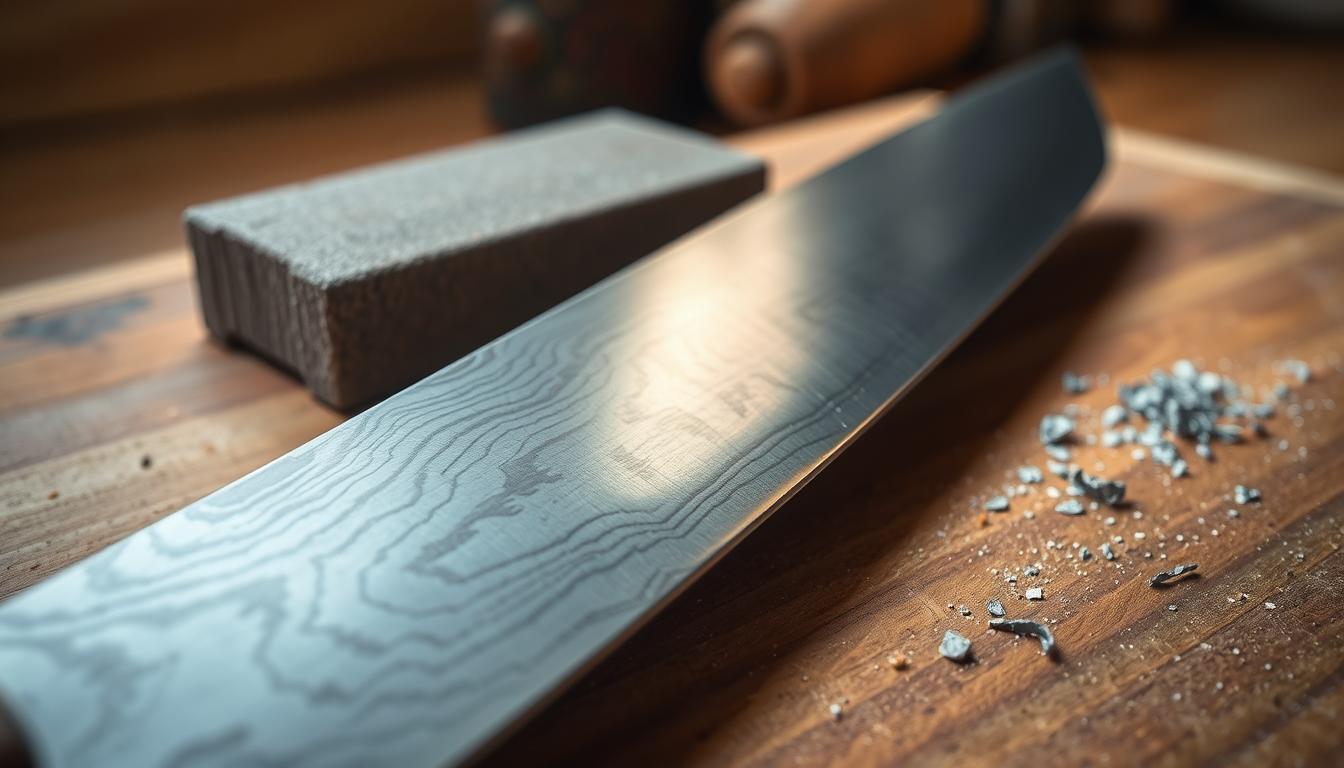
Deciding between a diamond plate and water stones comes down to your tools, steels, and how much upkeep you want. You want predictable results and a workflow you’ll stick with. This guide compares a diamond sharpening stone and traditional water stones so you can judge by speed, finish, flatness, upkeep, mess, lifespan, and total cost.
Diamond options are fast, low-maintenance, and stay flat for years. They work well on knives, chisels, and hard modern steels. Water stones take more care but often give a finer polish and a buttery feel at the edge.
This intro previews grit and micron equivalents so you can pick a progression that matches your knives or shop tools. Later chapters will decode product specs, “guaranteed flat” claims, and how to read product pages.
What you’re really choosing when you pick a sharpening stone
The real decision is a system choice: speed, finish, or upkeep. You’re not just buying a block — you’re picking how you’ll work. Fast-cutting abrasives shorten your time at the bench but often leave a coarser scratch pattern that changes how the edge feels in use.
Think in practical terms: do you want edges that are “sharp enough fast” for rope and utility cuts, or a highly refined edge for food prep and fine paring? Both are valid if they match your tasks and expectations.
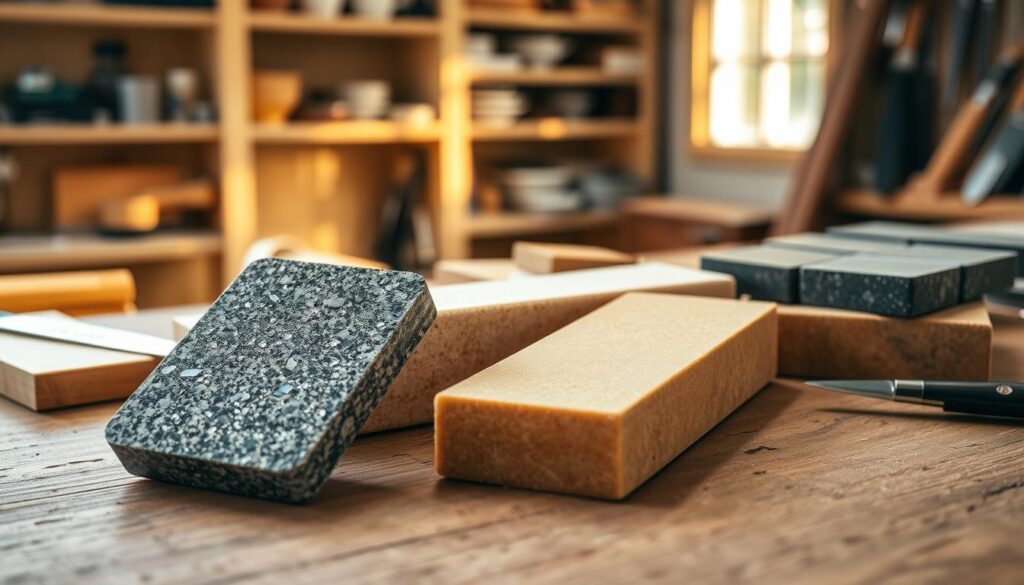
Maintenance time vs. sharpening time
Hidden costs matter. Soaking, flattening, cleaning, and drying can take longer than actual stropping, especially with water stones. If you prefer less mess and less flattening, a low-maintenance plate will save more time overall.
How tools and steel affect the choice
Thin kitchen knives, pocket knives, and heavy shop chisels need different levels of flatness and finish. Harder, wear-resistant steel and carbide-rich alloys push you toward metal-cutting abrasives more often.
- Shared language: Use grit to compare systems rather than marketing description.
- Materials: Ceramic or metal abrasives behave differently; match them to your steel and use case.
- Workflow: Pick the system that fits how often you sharpen and how you use your tools.
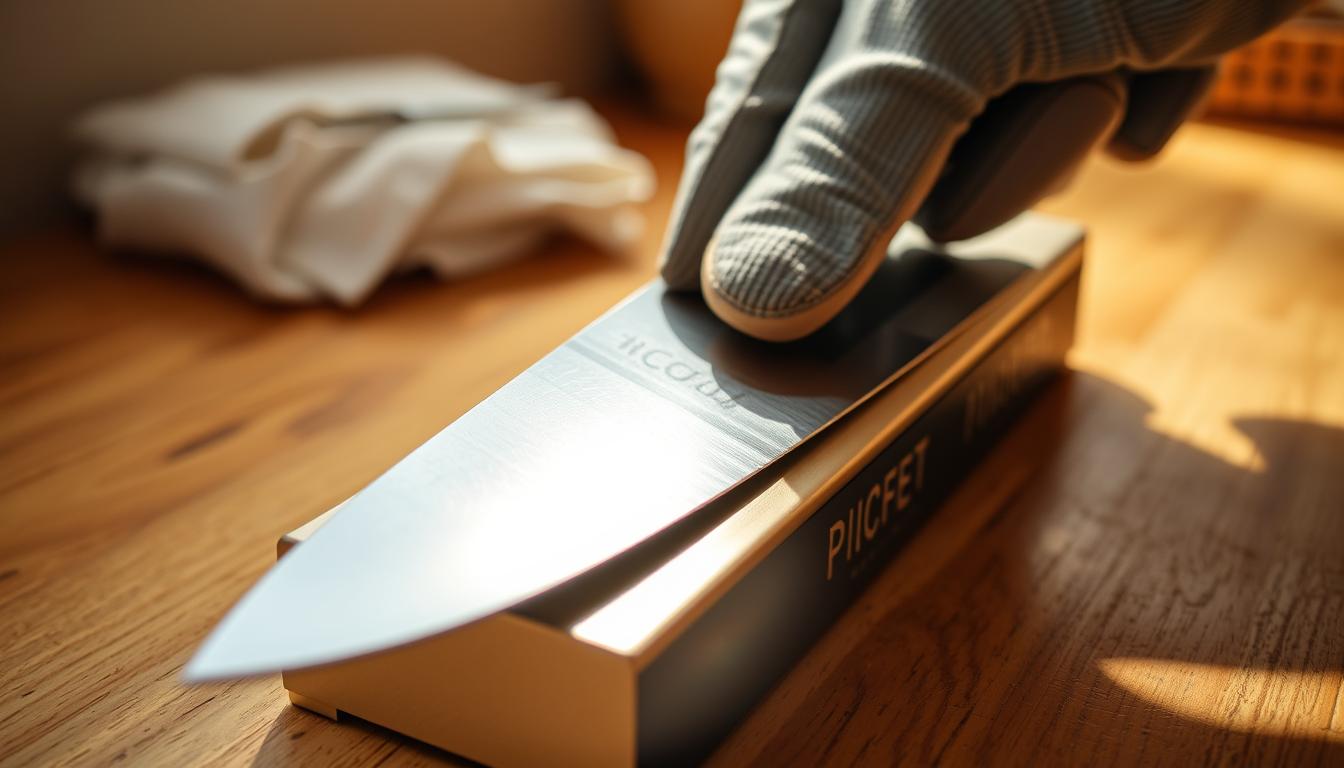
Diamond stones explained: how they work and why they cut so fast
Fast-cutting plates rely on tiny, extremely hard crystals set into a rigid backing to reshape edges quickly.
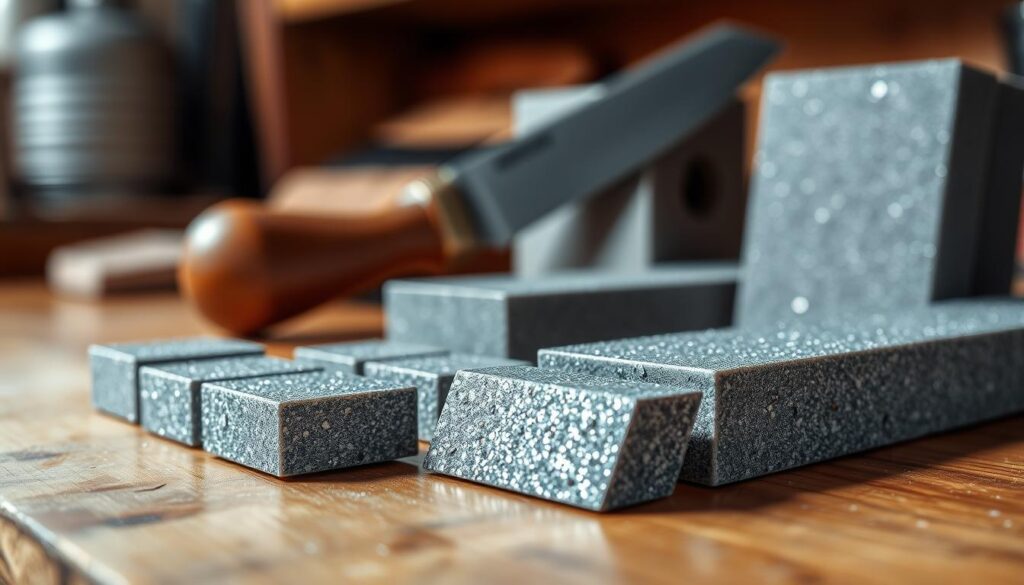
Industrial monocrystalline grains and electroplated surfaces
Construction: High-grade monocrystalline industrial diamonds are permanently bonded to a steel substrate via electroplating. This creates an aggressive, durable cutting surface that stays effective without soaking.
Why plates stay flat and what that means for your work
The rigid, precision-milled substrate resists dishing, so the plate remains true as you use it. That flatness preserves bevel geometry and gives predictable results when you need accurate angles.
Dry use, a little water, and grit choices
You can work dry or add a splash of water to float swarf and keep the surface cutting clean. Use coarse surfaces for fast shaping and lower micron counts, then move to medium or fine grits for refining before stropping.
- Feel: Feedback is firmer than a water-based option; expect a different tactile response at the edge.
- Early break-in: New plates can shed tiny grit—plan a one-time break-in to remove loose particles and avoid cross-contamination with water stones.
- Practical tip: Match grit progression to the damage and the edge finish you want.
Water stones explained: why they’re popular for refined edges
Many hobbyists choose water-based abrasives because they deliver a smooth, polished finish you can feel as you work. Water stones reward careful technique with a soft feedback that helps you hold angles and read the bevel as you refine it.
How they make a polished finish and what slurry does
As the surface wears, tiny abrasive particles mix with water to form a slurry. That slurry speeds polishing and helps blend scratch patterns on the edge, giving a finer look than coarse cutting alone.
Soaking, flattening, and practical upkeep
Some stones need soaking, others prefer a splash-and-go approach. Follow manufacturer guidance so you don’t warp softer blocks.
- Water management: control runoff and change water to limit grit contamination.
- Mess control: expect slurry cleanup and a short drying time before storage.
- Flatness: these stones will dish over time, so plan regular flattening to keep bevels accurate.
Ceramic options exist, but many users stick with water stones when finish and feel are the priority. Next, we’ll weigh these benefits against fast-cutting plates in a buyer’s guide.
Diamond sharpening stone benefits and drawbacks for your shop
A rugged, fast-cutting plate can save you hours in a busy shop by removing metal in minutes. That speed matters when you have many blades to service or need quick repairs between jobs.
Strengths: durability, consistent results, and fast material removal
One major win is rapid material removal. A diamond sharpening stone takes out metal quickly so you spend less time grinding and more time finishing.
Durability matters: the rigid backing stays flat across many uses, giving consistent geometry on chisels, plane irons, and knives.
Limitations: feel, scratch pattern, and technique adjustments
Coarse surfaces can leave a pronounced scratch pattern, so expect to refine more for a polished edge.
Adjust your technique: use lighter pressure and let the abrasive do the work. Avoid digging, which amplifies scratches.
Where diamond shines most: hard steels, carbides, and wear-resistant alloys
If you work with high-hardness or carbide-rich steel, these plates cut reliably where softer abrasives struggle.
In short, diamonds excel at speed and flatness, while water-based options may win on final feel for some users.
- Shop use cases: quick bevel resets, chip removal, and routine maintenance without soaking or flattening.
- Best practice: follow a coarse-to-fine progression and finish with light passes for a cleaner edge.
Water stone benefits and drawbacks for your sharpening routine
Water-based abrasives often win when your priority is a refined, hand-polished edge. They excel at finishing and help you produce a cleaner edge suited for push-cutting tasks in the kitchen and workshop.
Strengths: finishing potential and tactile control
Water stones deliver a smooth finish that hides coarse scratches and polishes bevels. You get a cleaner, more refined edge with fewer final stropping passes.
The feedback is soft and direct. You can feel when you’re on angle and when a burr forms or disappears. That tactile control helps you stop at the exact point the edge needs work.
Limitations: dishing, flattening tools, and water management
Dishing changes bevel geometry as the surface wears. If you skip flattening, precision suffers and repeatable results become rare.
Expect to add flattening tools or plates, a tray, towels, and a simple water setup. Slurry cleanup and drying take time, which matters in a routine workflow.
- Best fit: Use as finishing stones in a progression, or as your full system if you enjoy regular maintenance.
- Trade-off: If you sharpen often and like the process, these give satisfying control; if you want low-fuss work, another option may be easier.
- Buyer note: Look past marketing description and weigh maintenance into your purchase decision.
Head-to-head comparison: diamond vs. water stones by buying criteria
Your buying decision should hinge on real-world trade-offs: how fast a surface cuts and how much maintenance it needs. This short comparison helps you pick the system that fits your workflow and tools.
Sharpening speed on common and high-hardness steels
Plates with industrial grit remove metal faster, especially on high-hardness steel and carbides. Water-based blocks can feel smoother but often take longer to reshape a damaged edge.
Flatness and precision for chisels and hand plane blades
Flat reference surfaces matter for backs and bevels. Water wear leads to dishing; rigid plates keep geometry stable and repeatable for accurate tools.
Maintenance: flattening vs. “stay flat” plates
Water stones demand periodic flattening and water management. By contrast, many plated surfaces require little upkeep beyond a quick wipe or rinse.
Longevity, wear, and bench cleanliness
Plates often last longer but may feel less aggressive after break-in. Water-based blocks wear and need replacement or resurfacing. Expect slurry cleanup with water and lighter swarf with plated options.
- Practical pick: choose a plated surface for speed and flatness.
- Choose water when finish and tactile feedback matter more than throughput.
Next, translate this trade-off into grit and micron choices so you can build a practical shopping list.
Grit and micron demystified: choosing coarse and fine for your edge
Knowing how grit maps to micron size removes confusion when shopping across brands. Grit is a relative label; micron is the actual particle size. Use both so you can compare formats and pick a predictable progression.
What 300 grit (about 50 micron) is best for
300 grit (~50 micron) is your coarse workhorse for repairs. Use it for chips, rolled edges, and fast bevel setting when the blade is truly dull.
It removes metal fast, so keep pressure steady and controlled to avoid deep scratches that are hard to remove later.
What 1000 grit (about 5 micron) is best for
1000 grit (~5 micron) is a practical “working sharp” level. It refines the scratch pattern and yields a versatile edge for most daily tasks.
This grit brings out a usable edge that cuts reliably without needing immediate stropping or ultra-fine polishing.
Building a practical grit progression for knives vs. edge tools
For knives, a simple progression is coarse → 1000 → 3000 (or strop) depending on finish needs. For woodworking tools, go coarser for shaping then refine past 3000 for clean paring cuts.
- Technique: use lighter pressure as you move finer to reduce deep scratches.
- Mixing systems: you can combine diamond and water progressions if you prevent contamination and clean surfaces between steps.
- Practical note: a common double-sided diamond configuration is 300/1000 and covers the basics well.
Next up: flatness grades matter too, because grit alone doesn’t determine precision outcomes.
Standard vs. premium diamond stones: flatness grades that matter
Measured flatness is the practical spec that separates everyday plates from precision shop-grade surfaces. You’re looking at thousandths of an inch out of flat. Those tiny numbers change how a tool registers and how much edge rounding you create.
Understanding Standard flatness: .0016 to .004 out of flat
Standard plates test between .0016 and .004 inches out of perfect. That range suits general work on kitchen and pocket knives and most bench tasks.
Understanding Premium flatness: .0000 to .0015 out of flat
Premium diamond stones measure between .0000 and .0015. That near-perfect tolerance matters for chisels and hand plane blades where true registration matters.
When near-perfect flatness is worth the upgrade
- Measurable spec: flatness is precise, not marketing—check thousandths when you buy.
- Outcomes: flatter surfaces keep bevel angles consistent and reduce unwanted rounding.
- Decision tip: buy Standard for general tools; step up to premium diamond for fine joinery and plane tuning.
Next, we map these flatness needs to specific tool recommendations so you can pick the right option for your workflow.
Choosing the right stone for your tools
Pick a surface that matches how you use tools, not just the marketing label. The right choice depends on the kind of work you do, how often you sharpen, and where you work.
Kitchen knives and pocket knives
For daily knives, favor a practical grit range—often coarse-to-medium—to keep edges ready. A standard double-sided diamond stone with a coarse face for repairs and a medium face for routine upkeep is a solid, low-fuss setup.
Woodworking tools: chisels and hand plane blades
Premium plates win here. High flatness matters for backs and bevels, so choose a premium diamond stone when you need repeatable, accurate geometry for fine joinery.
Axes, drill bits, and general shop edge tools
Worksite tools benefit from durable, fast-cutting surfaces. Standard double-sided plates handle re-profiling and everyday maintenance without much prep.
Specialty edges: serrations, gouges, and chainsaws
Serrated knives, gouges, and chain links often sharpen better with purpose-shaped diamond stones rather than forcing a flat plate into awkward angles.
- Match grit to damage: coarse for re-profiling, medium for maintenance.
- Prioritize workflow: choose what you’ll actually use—bench, field, or jobsite.
- Kits save time: a basic kit can bundle a plate, non-slip base, and common grits for broad shop coverage.
Steel types and edge retention: matching abrasives to modern blades
Different blade alloys change how quickly an abrasive cuts and how long the edge lasts. Harder, wear-resistant steel resists abrasion, so you need an abrasive that keeps cutting efficiently without wasting time.
High-hardness and powder metallurgy steels
Powder metallurgy steels often combine very high wear resistance with fine, uniform carbides. That makes them excellent at holding a keen edge but slower to reshape.
Use a coarse grit step to reset geometry, then refine. A fast-cutting plate will remove material consistently so you don’t spend hours re-profiling.
Carbide-rich steels: why diamonds can be the safer bet
Carbide phases in the alloy blunt many abrasives. In practice, you’ll find that diamond abrasives cut these surfaces more reliably and with less clogging.
If you work with carbide-heavy blades, a diamond approach shortens time to a usable edge.
Common stainless and carbon steels: when either option works
For everyday stainless and carbon steels, either system can deliver a great result. Choose based on finish preference and how much upkeep you want.
- Tip: Start coarse for reshaping, then move finer to polish the edge.
- Expectation: Higher wear resistance holds an edge longer but takes more effort to remove metal.
- Care: Follow maintenance best practices to protect your plates and keep performance steady.
How to use and maintain diamond stones correctly
A quick, deliberate first pass on the coarse surface saves you time and protects other abrasives. Do a short prep, keep the work area clean, and follow simple care steps so the plate performs predictably.
One-minute break-in for the coarse face
New coarse faces often shed an extra layer of abrasive. Rub a piece of steel (a screwdriver shaft or plane blade) evenly across the full 300-grit side for about one minute.
Rinse and wipe the plate after. This stabilizes the cutting feel and removes loose grit that would otherwise travel to other surfaces.
Preventing cross-contamination with water stones
Loose particles can embed in water stones and change their scratch pattern or make them cut more aggressively. Keep the tools separate and clean between uses.
Cleaning swarf and keeping the surface efficient
Wipe or rinse away metal filings so the abrasive keeps biting instead of glazing. You can work dry, or use a little water to float swarf and speed cleanup.
- Tip: Follow the product details for any manufacturer-specific steps.
- Routine: rinse after heavy use and store dry to extend life.
How to use and maintain water stones without frustration
A simple, repeatable routine for wet blocks saves time and produces consistent edges. Treat each block according to its design and you’ll avoid cracking, glazing, or uneven wear. Read the product details before the first use so you know if your block needs soaking or a splash-and-go approach.
Soak vs. splash-and-go: what to follow for your stone type
Not all water stones are the same. Some require a full soak; others need only a wet surface. Follow the maker’s guidance to prevent damage and get proper cutting behavior.
Flattening routines to keep your bevels accurate
Flattening is non-negotiable. Dished blocks round bevels and slow progress on chisels and plane blades. Check flatness often and flatten lightly to keep geometry true.
- Prep: always wet the surface consistently before each session.
- Routine: use the same technique, then flatten regularly instead of waiting until heavy dishing occurs.
- Grit note: coarser stones dish faster, so increase flattening frequency based on how aggressively you use them.
- Workflow: control water and slurry with a tray and towels to reduce mess and make maintenance easier.
Follow these simple steps and consult product details for soak times and care. A predictable routine makes your tools perform reliably and keeps your edge work efficient.
What to look for in product details before you buy
Before you click Buy, learn which product details actually matter so you get the tool that fits your workflow.
Size and stability: why 3″ x 8″ is common
3″ x 8″ is a practical benchmark. It gives enough width for stable contact and enough length for controlled strokes on knives and most bench tools.
Double-sided plates and clearance channels
Double-sided pieces pair coarse and medium grits (example: 300 / 1000), so you get fast re-profiling and refinement without swapping units.
Clearance channels on the coarse face help clear swarf and speed heavy stock removal, keeping the cut cleaner as you work.
Non-slip mats, kits, and what adds value
A non-slip mat improves safety and real-world stability. Kits can save money when they include a quality base and basic grits, but buy á la carte if a kit pads cost with redundant extras.
Reading “guaranteed flat” and product pages
On the product page, click to view full details. Confirm size, substrate (electroplated monocrystalline on steel), grit/micron, and flatness tolerance (for example, Standard .0016–.004). A numeric tolerance beats vague description every time.
- Tip: view full details across listings to compare like-for-like specs.
- Tip: check the description for included accessories before you buy.
- Tip: prioritize measurable specs over marketing language.
Price, current price vs. original price, stock, and shipping considerations
When you compare listings, a low headline price can hide extra costs you’ll pay later.
Compare total cost, not just sticker numbers. Factor in accessories, a flattening tool for wet blocks, bases, and replacement cadence over years. Those add-ons change the true cost far more than small discounts.
Comparing total cost: stone, flattening tools, and accessories
Look at the current price and the original price fields to judge discounting. Confirm whether the original price is a real MSRP or just a marketing tag.
How stock status and shipping timelines affect your decision
If a key grit or flatness grade is out of stock, you may need to alter your progression. Fast shipping can beat a small price cut when you need a tool for a job or gift.
Reading “view full details” and product specs for red flags
- Missing grit or micron specs.
- Vague flatness claims or no size listed.
- Unclear substrate material or thin warranty language.
Before checkout, view full details on the product page and verify stock, shipping, and all price fields. Inconsistent details are a red flag; confirm specs so you buy what you expect.
If a product page is blocked: extensions, content filters, and quick fixes
If a product page won’t load fully, you can usually trace it to browser tools or network filters blocking needed scripts. That missing data often hides the current price, original price, stock, or the view full details section you need to verify specs.
What “page blocked” or “extension blocked” usually means
A page blocked notice often appears when privacy or ad blockers stop dynamic modules from loading. Script blockers and strict browser settings can also cause the problem.
An extension blocked case happens when an add-on prevents price widgets, stock indicators, or the view full details tab from rendering. Network filters at work or home can likewise remove embedded content.
Try disabling extensions to view full details and pricing fields
Try disabling extensions one at a time to identify the culprit. Alternatively, open the product in an incognito window or a clean browser profile to test if extensions are the cause.
- Quick checklist: refresh the page, open incognito, whitelist the domain, and confirm whether view full details expands.
- If that fails, check workplace or parental content filters and DNS settings that may block embedded scripts.
- When you see a blocked extension, remove or pause it, then reload the page to restore missing fields.
- As a last step, try disabling extensions and retry the page on another network or device.
Why fix it before you buy: a blocked page can hide grit, size, flatness tolerance, stock status, or shipping ETA. Resolve the block so you can accurately compare specs and view full details instead of guessing.
Conclusion
Prioritize a simple progression you’ll actually use, then refine it as you learn what your tools need.
Pick plated options when you want speed, low upkeep, and stable flatness. Choose water-based blocks when finish and a buttery feel matter more than throughput.
Match tool to surface: knives and general shop tools do well with standard plates; premium flatness helps chisels and plane blades stay precise.
Use a coarse step for repairs and a medium step for routine maintenance. Read product specs—size, grit/micron, flatness tolerance, and included accessories—before you buy.
Finally, commit to one practical setup, use it regularly, and tweak grit and technique based on your steels and results over time.