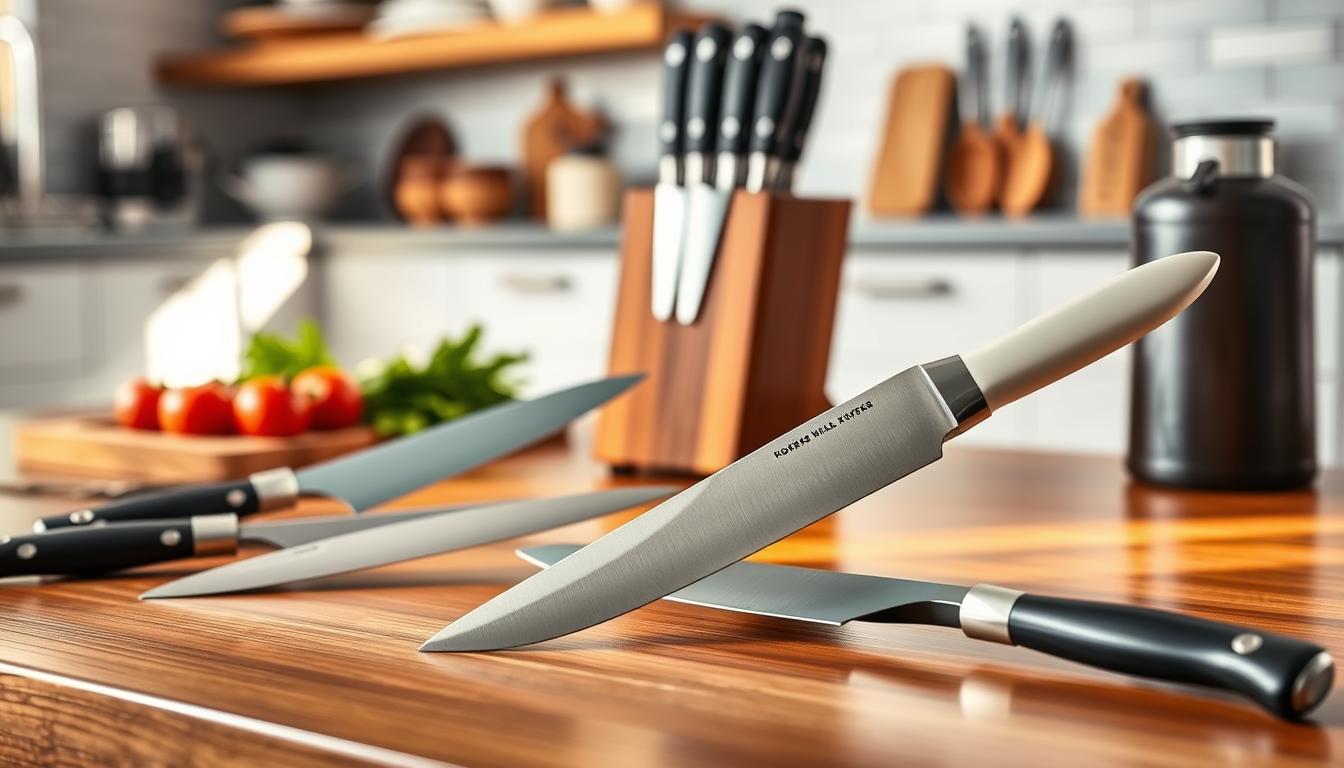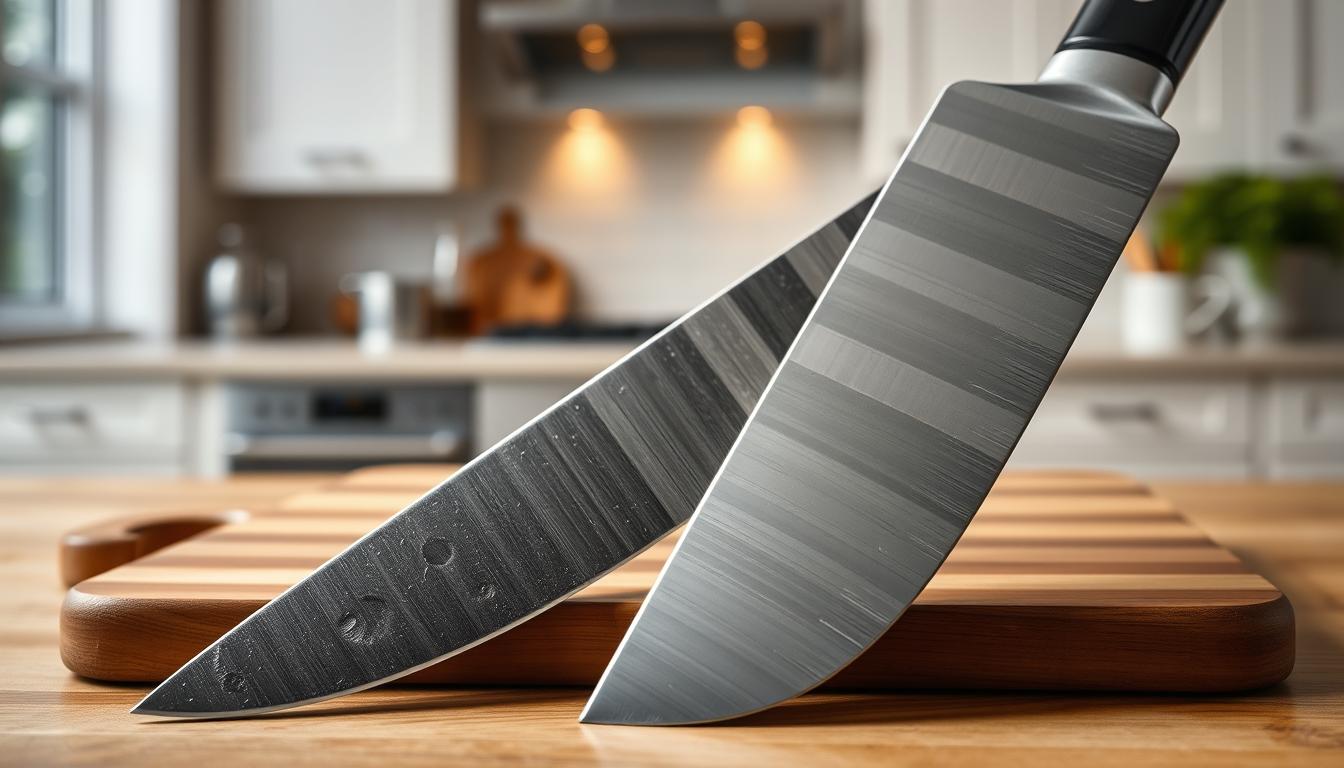
Convex vs. Flat Grinds: How Edge Geometry Affects Performance
What you use matters. A flat grind and a convex grind (appleseed/hamaguri/Moran) look similar at first, but they cut and wear very differently. Geometry changes how a blade slices, how much force you need, and how long it stays serviceable.
Think about two views: the profile from tip to heel and the cross-section behind the cutting edge. Each view tells you what to expect in real tasks.
In the kitchen, lower-angle, thinner geometry often feels sharper and moves through food with less drag. By contrast, a convex grind keeps more metal behind the edge for strength, so it shines on heavy-duty blades like machetes and axes.
This guide will focus on practical outcomes: how the tool feels in your hand, how it performs day to day, and what upkeep really takes. You’ll learn the trade-off between slice efficiency and durability so you can pick the best grind for your work.
How Knife Edge Types Work: Edge Geometry Basics You Can Use
Start with the cross-section: the grind is the blade’s cross-sectional shape and it controls how metal supports the cutting line. When a blade is “ground” you remove steel to form that geometry; this is different from honing or polishing.
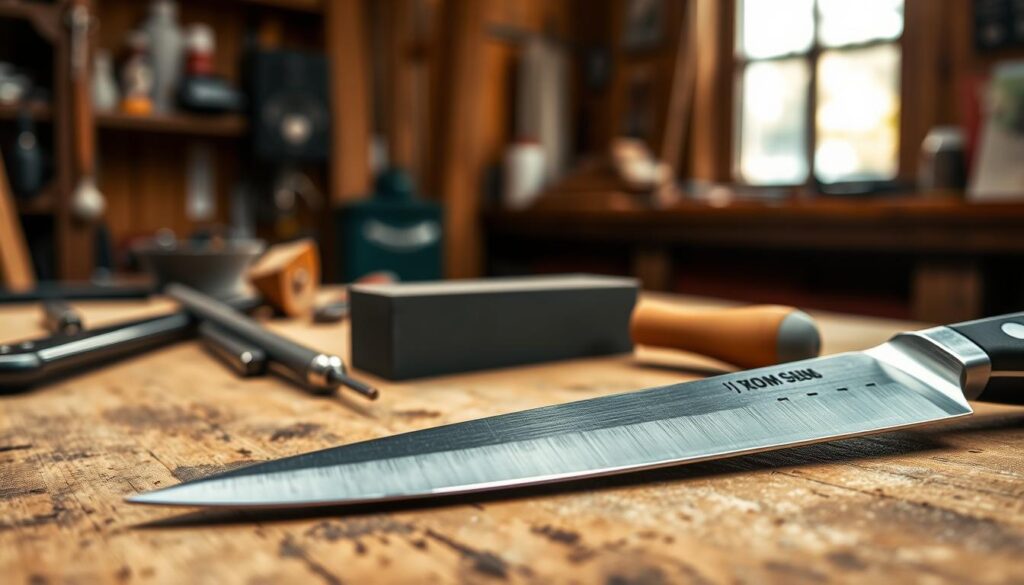
Grind vs. bevel
The primary grind (primary bevel) creates the main slope of the blade. The secondary bevel (the small bevel at the tip) becomes the actual cutting surface you sharpen.
Edge angle vs. included angle
Edge angle is measured per side; the included angle is the total. Smaller included angles feel sharper but chip more easily when you hit hard material.
Grind height and spine thickness
Taller grinds give a thinner, slicier feel. Shorter grinds leave more material behind the line and feel wedge-like in dense cutting. Thinner spines cut with less split force; thicker spines feel sturdier for hard use.
- How to think about it: the cutting point concentrates force, while the metal behind it dictates resistance and push.
- Side profile (straight vs. curved) changes how you cut—rocking vs. straight push cuts.
- This guide stays focused on flat versus convex grinds so you can choose without getting lost in every available type.
Flat Grind Performance in Kitchen Knives: Where a Flat Edge Excels
A flat grind gives a predictable cutting path that makes food prep faster and cleaner. You’ll notice a low-resistance feel on slicing and a steady bite when you push straight through produce.
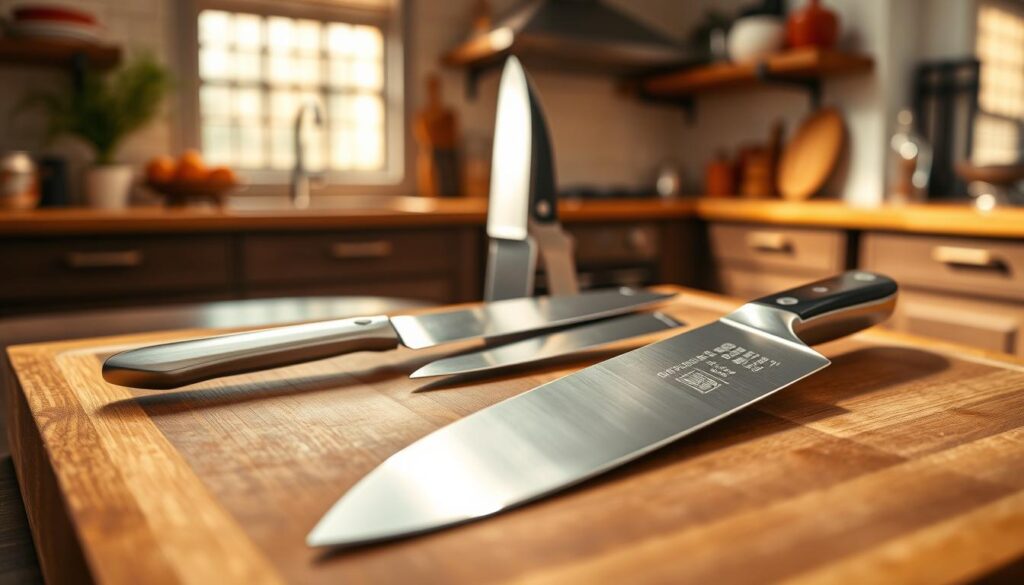
Full flat vs. flat-saber: a full flat grind tapers from the cutting line to the spine, which reduces wedging and boosts slicing. A flat saber stops at a grind line and keeps more thickness above the bevel for a sturdier feel during heavy cuts.
- You’ll feel thin geometry that slices efficiently—great for dicing onions, trimming herbs, and slicing proteins.
- Flat ground blades often give clean, predictable cuts with low drag, though stickiness depends on finish and the food you cut.
- Be mindful: thinner geometry and lower angles trade durability for cutting ease. Sharpening can thicken the blade behind the line unless you thin the grind occasionally.
If you want a simple, versatile setup, flat ground options balance everyday cutting with reliable quality. Test at home: watch how the blade starts a cut and how often it needs attention; that will tell you if this grind fits your routine.
Convex Grind Performance: Stronger Support Behind the Cutting Edge
A convex profile uses smooth outward curves to build strength behind the cutting line. This grind, also called appleseed, hamaguri, or Moran, swaps flat facets for rounded arcs that leave more steel supporting the tip.
How the shape supports the blade
The curved geometry keeps extra material behind the thin portion that does the work. That added support helps the cutting edge resist chipping and handle high force without failing.
Where convex grinds excel
Convex grinds shine on chopping and splitting tasks. You’ll see them on axes, machetes, and heavy-use blades where resilience matters most.
Cut feel, sticking, and maintenance
Because the faces widen as they move back, a convex grind can push material away and change how the cut feels. That can reduce deep sticking in some material but feel less razor-like for delicate slicing.
Sharpening a convex profile is doable, but you must reproduce a changing curve, which is harder on a flat stone. Over time you reshape more than a single bevel, so maintenance needs more skill.
- Takeaway: Choose convex when you want toughness and stability under force rather than the thinnest possible bite.
Flat vs. Convex: How to Choose the Right Grind for Your Cutting Style
Your cutting style should guide whether you choose a flat or a convex grind. First, think about what you do most in the kitchen. That choice drives the best match for performance and maintenance.
Match the grind to your tasks
For daily prep and slicing proteins, a flat profile usually wins. It gives low resistance and clean cuts for vegetables and meat.
For heavier work—hard rinds, squash, or occasional bone contact—lean convex. The rounded shape gives more support behind the line.
Durability vs. sharpness
Smaller angles feel sharper but chip easier. Thicker support resists chipping and rolling during harder use.
Steel matters
Harder steel lets you run more acute angles but can be brittle. Softer, tougher steel tolerates thicker geometry and abuse better.
How technique helps
Cutting at an angle or using a draw motion reduces perceived resistance. Curved profiles make rocking and angled cuts easier, so you can often get better results without the thinnest geometry.
- Decision checklist: what you cut most, hit hard material, how often you sharpen, and how careful you are with lateral twists.
- Choose flat for efficient everyday slicing; choose convex for strength under force.
Sharpening and Maintenance: Getting the Edge Angle Right
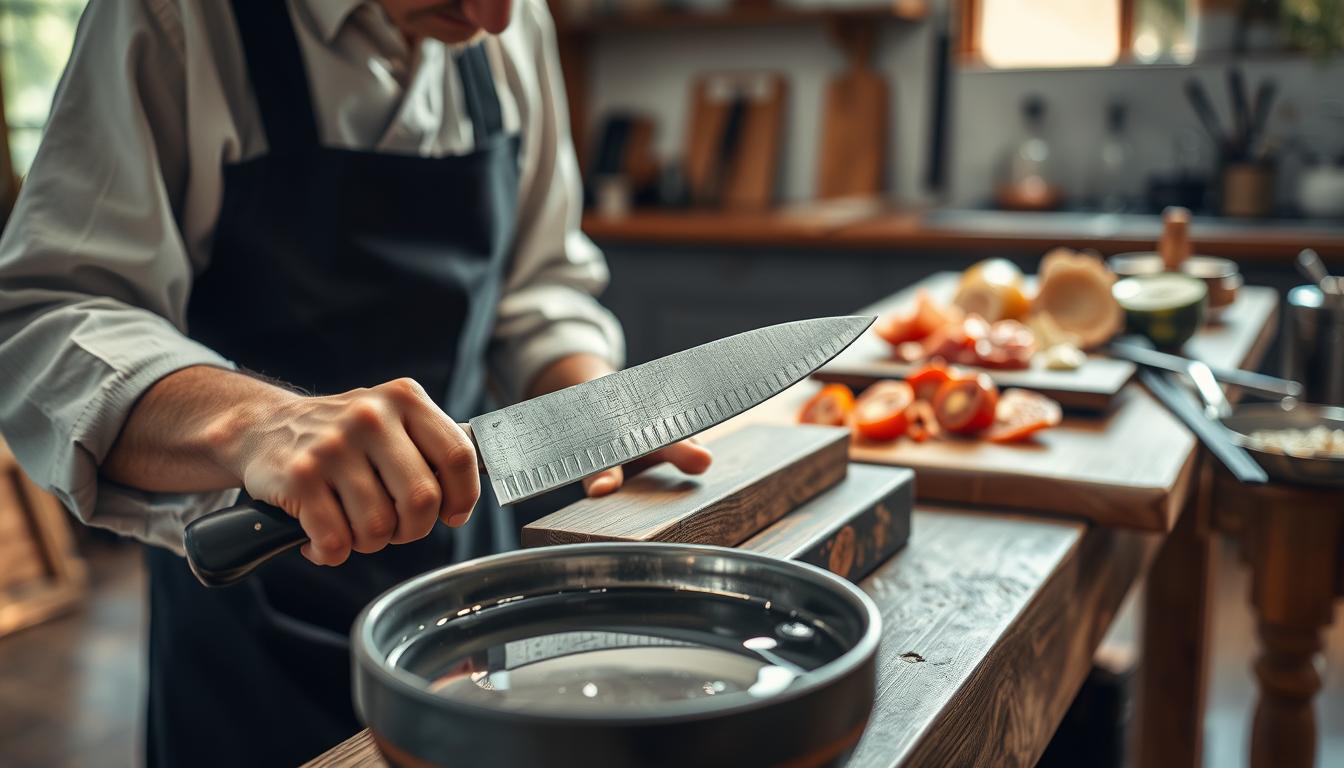
Consistent angle and light passes are the best ways to keep a reliable cutting surface and avoid frequent grinding. Most home kitchen sharpening lands between 10–20 degrees per side, which balances sharpness and durability.
Practical angle ranges and regional norms
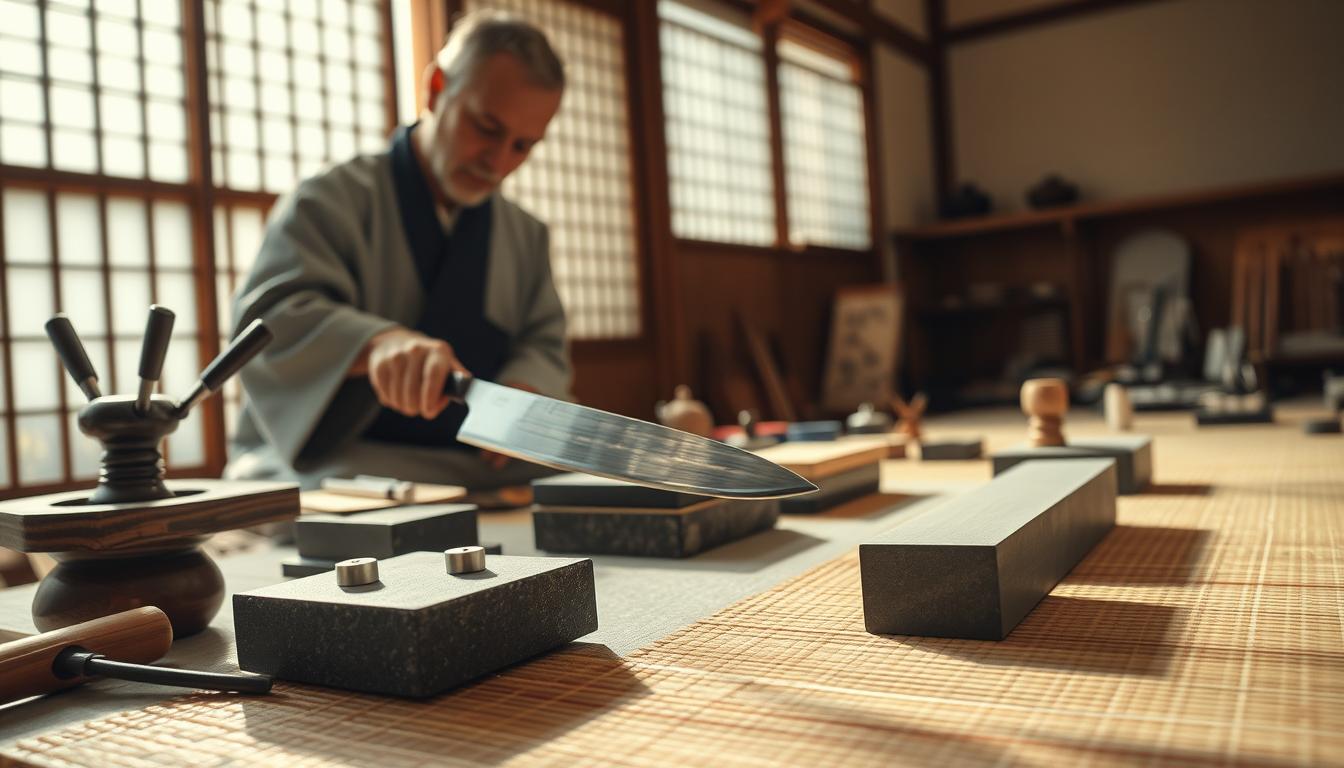
Use about 15° per side for harder steels found in many japanese knives. Western blades often run near 20° per side or a compound double bevel (e.g., 20–22° with a steeper micro‑bevel).
Single‑bevel vs. double‑bevel
A chisel (single bevel) is ground on one side; the flat opposite face and left/right handed grind affect tracking and sharpening technique. Double bevels are easier to reproduce if you want symmetrical performance.
Grinding, honing and methods
Grinding removes significant metal; honing, stropping, and polishing are routine maintenance that reduce how often you must grind. Flat bevels are simpler to set on stones; convex profiles need more nuanced motion to keep the curve.
- Guided systems lock the angle for repeatable results.
- Freehand stones give flexibility but require practice to control pressure and burrs.
- Keep passes light and consistent—preserve metal and extend blade life.
Conclusion
Match grind geometry to daily tasks for clearer results and less surprise wear. Grind choice balances cutting performance and edge durability. Flatter, thinner shapes cut with less resistance. Convex forms leave more support behind the blade and resist heavy use.
In the kitchen, pick flat profiles for efficient slicing and general prep. Choose convex when you need toughness for heavier chopping or hard-skinned food. Your knife, the steel, and the shape all matter.
Technique and maintenance shape real-world quality as much as geometry. Keep a consistent angle when you sharpen and watch how the blade behaves in use. Note wedging, sticking, or loss of bite and adjust care accordingly.
Next step: list your top three tasks (vegetable prep, protein slicing, heavier chopping) and select the grind that supports those needs. Test, observe, and tune your sharpening routine to keep performance steady over time.