Why Your Knife is Chipping: 5 Bad Habits That Damage Hard Steel
You’ll learn what micro-chipping means in real kitchen terms and why hard, thin edges on Japanese knives can chip even when you think you’re careful.
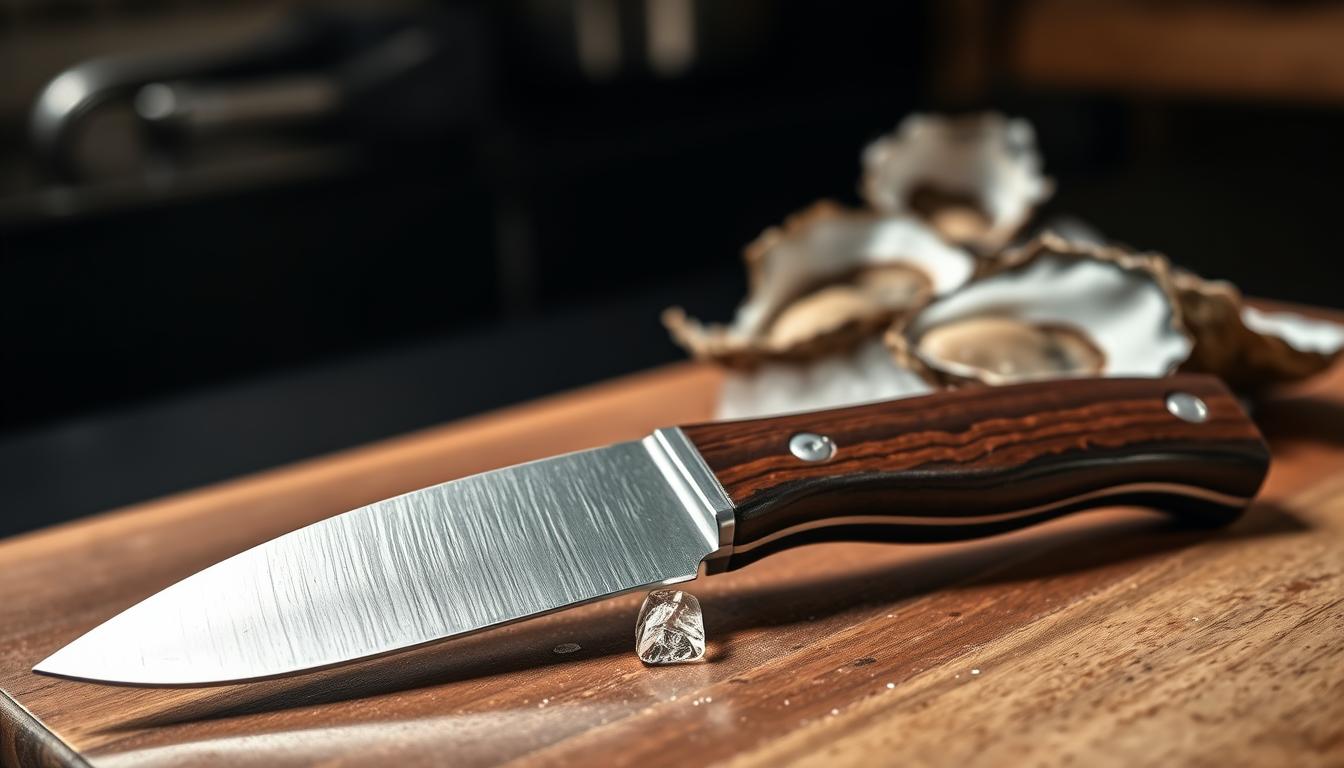
Many Japanese kitchen knives use very hard steel that holds an edge longer but pays for it in fragility. If you twist, pry, or hit a hard object, the edge can nick or chip.
This guide points out five bad habits that cause chipping: cutting very hard ingredients, using overly hard surfaces, rough handling in daily use, sharpening too thin, and dropping the knife. Small chips are common and often fixable during regular sharpening.
You’ll also get quick, practical fixes to reduce damage without losing the sharp performance you want from a quality knife. You will learn when a chip is normal wear and when it signals technique or heat‑treatment problems.
Key takeaways: how micro-chipping happens, the trade-off of hard steel, common habits that cause chips, and simple steps to protect your edge.
Why hard steel knives chip even when you’re careful
A razor-sharp, high-hardness edge can betray you when it faces a twisting force. Hardness and toughness are not the same. A 60+ HRC steel edge stays sharp for a long time, but it gives up toughness.
That means your kitchen knives tolerate straight-down cutting far better than torque or scraping. When you twist the tip or pry, the apex takes sideways stress and a tiny chip can form.
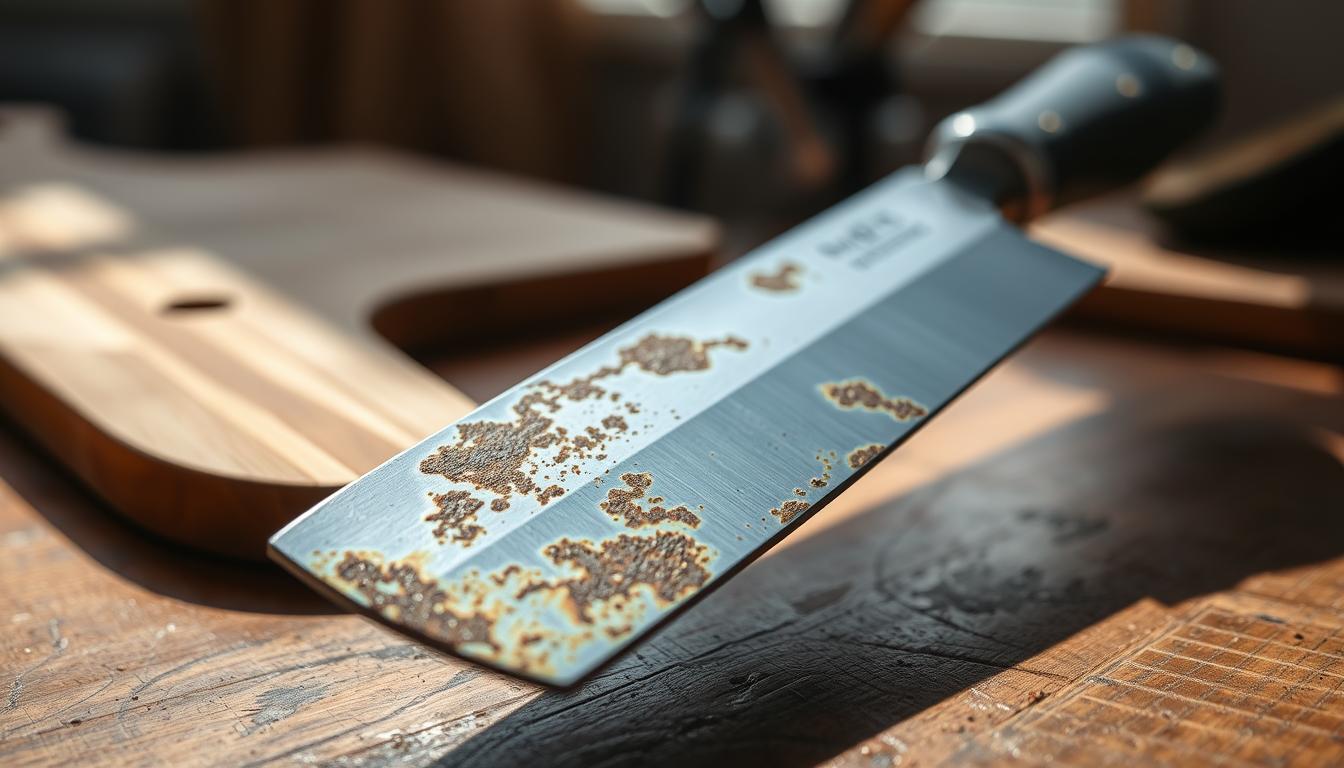
Micro-chips are subtle. You may not see them, but you will feel snagging on onion skins or a tick on a board. That sensation differs from simple dullness, which drags smoothly.
German-style, tougher knives often roll or bend before they chip, so technique changes by the tool you use. For japanese knives with very hard steel, you accept a tradeoff: long-lasting sharpness at the cost of being less forgiving.
- Tradeoff: wear resistance vs. fracture resistance.
- Force direction matters: vertical is safe; lateral is risky.
- One tiny chip after a slip is a common case, repeated chips over time signal technique or heat‑treat problems.
Bad habit: using the wrong foods and materials for your edge
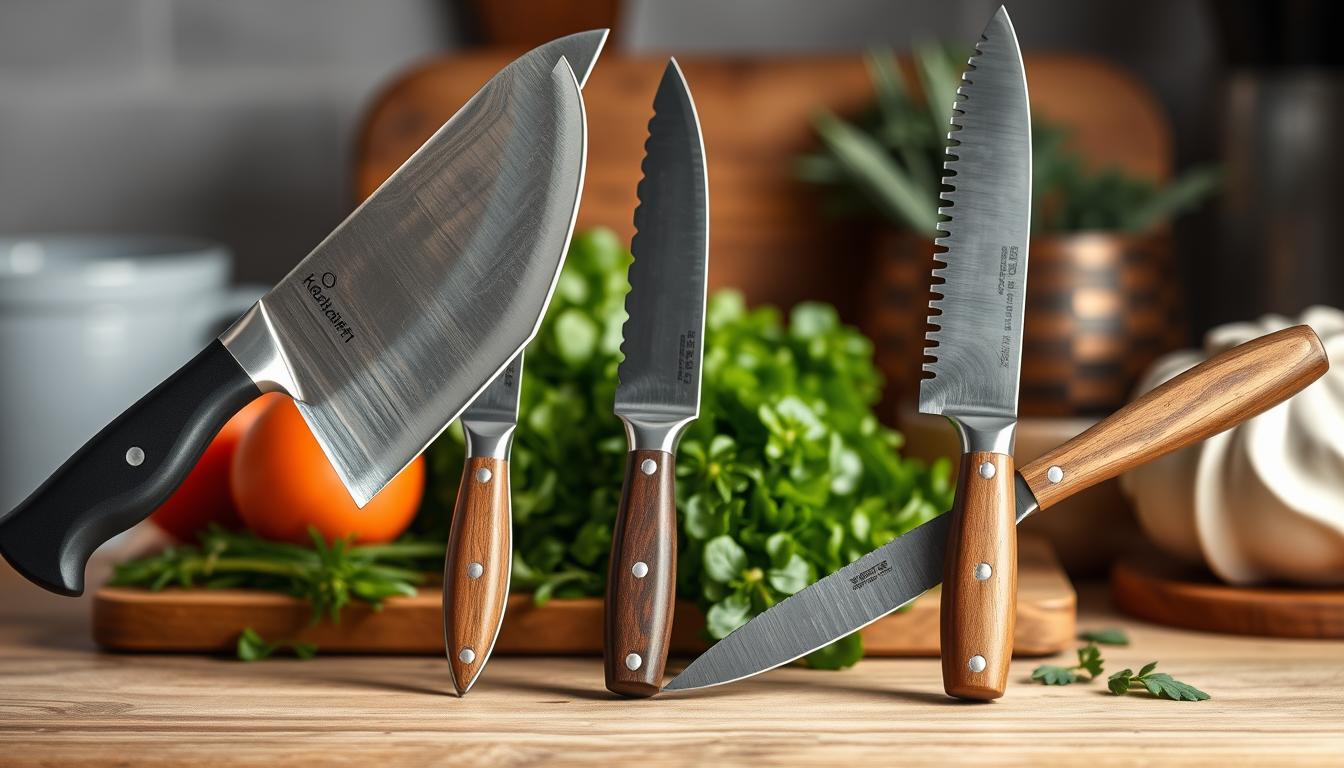
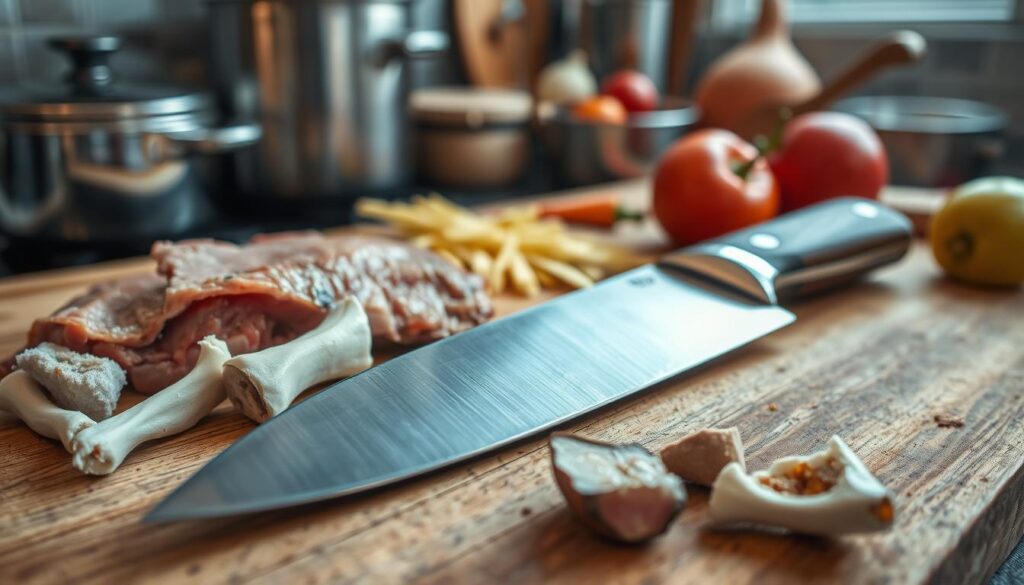
Some ingredients and chores are a quick route from sharp to chipped for a fine edge. Frozen blocks, bones, and rock-hard crusts can outmatch a thin, hard knife edge in a heartbeat. Stop expecting a slicing knife to behave like a cleaver.
Frozen foods, bones, crusty bread, and other high-risk ingredients
Cutting frozen or bone-in items puts huge impact and torque on a narrow apex. That stress makes chipping likely and can ruin the tip. Use a cleaver or a heavy-duty tool for those jobs instead.
Packaging, cans, and prying: tasks your kitchen knife wasn’t designed for
Using your knife to open plastic clamshells, pry lids, or cut tape adds lateral force. That lateral force causes a small chip to pop out fast. Carry a pair of shears or a utility tool so your knife stays for food work.
Contact with metal or stone: how “hidden hardness” causes instant chips
Hidden hazards—metal trays, stone counters, stray forks—are often harder than the steel at the edge. A single accidental strike can cause tip damage that takes sanding and resharpening to fix.
- High-risk list: frozen food, bones, very crusty bread.
- Swap tools: cleaver, saw, or kitchen shears for non-slicing tasks.
- Work habits: don’t stab packaging, don’t pry, and keep metal/stone clear of your cutting area.
Bad habit: cutting on surfaces that are too hard
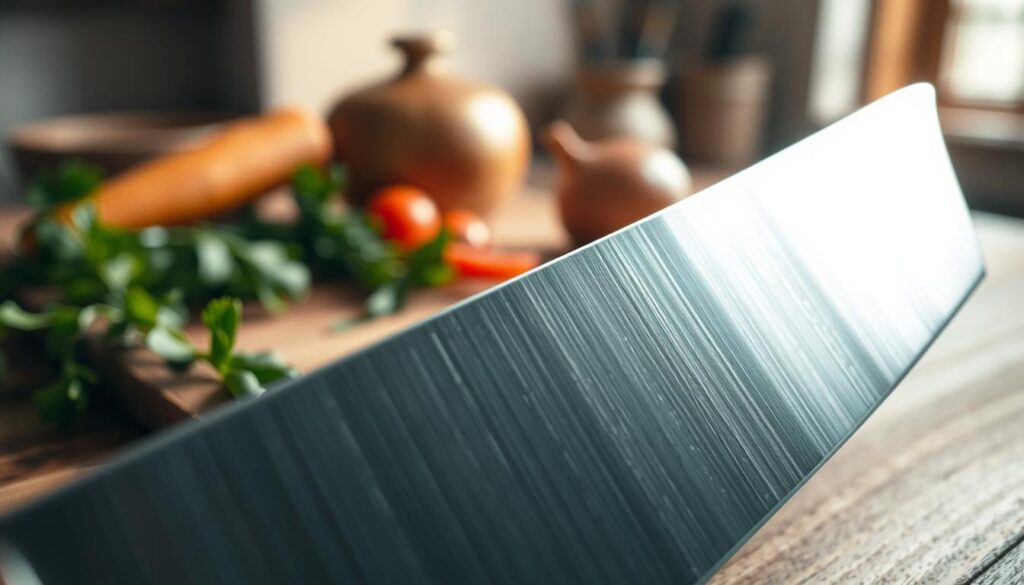
The surface you work on matters as much as the knife you buy. Hard surfaces like glass, marble, and granite do not give under impact. That lack of give sends shock back into the edge and can chip it instead of letting it deform slightly.
In a typical U.S. kitchen, choose your cutting boards with care. End-grain wood is forgiving and helps keep knives sharper longer. Plastic boards work well when you need easy sanitation and a light surface for proteins or raw items.
Why glass, marble, granite, and ceramic wreck edges fast
These materials are harder than most steels. When a knife hits them, the metal takes the full force. Over time, tiny micro-serrations and chips form where the edge impacts the stone or glass.
Choosing safer cutting boards in the U.S.: wood vs plastic tradeoffs
- Wood (end-grain): kinder to knives and hides small cuts.
- Plastic: sanitary, dishwasher-safe, and good for meat—replace when scored deeply.
- Use two boards: one for proteins, one for produce to protect your edge and reduce cross-contamination.
Board habits that matter: keeping grit and debris from acting like sandpaper
Even a soft board will act like sandpaper if salt, pepper, or countertop grit sits on it. Rinse and dry boards often and don’t cut on plates or stone counters “just for one thing.”
Rule to remember: if you want to prevent chipping, the board is as important as your knives. Choose a proper board, keep it clean, and your edge will thank you.
Preventing blade micro-chipping with better technique and daily handling
Good knife work favors control over force; a smooth slicing motion saves the edge. You’ll shift from brute chopping to guided cutting and see fewer chips. Small changes in motion and how you handle kitchen knives add up fast.
Cutting vs chopping: use controlled motion
Cut with a push-slice or rocking motion instead of hammering straight down. Controlled cutting lowers impact and reduces the shock that starts tiny chips on hard steel.
Keep the tip engaged to reduce twist and impact
When the tip stays near the board you cut with more stability. That simple stabilizer habit cuts lateral force and prevents many tip breaks.
Stop edge abuse: use the spine to move food
Don’t scrape chopped veggies with the sharp edge. Use the spine or a bench scraper to shift ingredients and avoid grinding the apex into the board.
Avoid drops and simple storage errors
- Don’t toss knives in sinks or mix them loose in drawers.
- Pass knives handle-first and set a safe landing spot when working.
- Use a block, magnetic strip, or sheath to prevent accidental drops.
Daily flow habits protect your edge: clear the board before cutting, set a bench scraper at hand, and choose the right tool for heavy chopping to prevent chipping and other damage.
Bad habit: sharpening mistakes that create a fragile edge
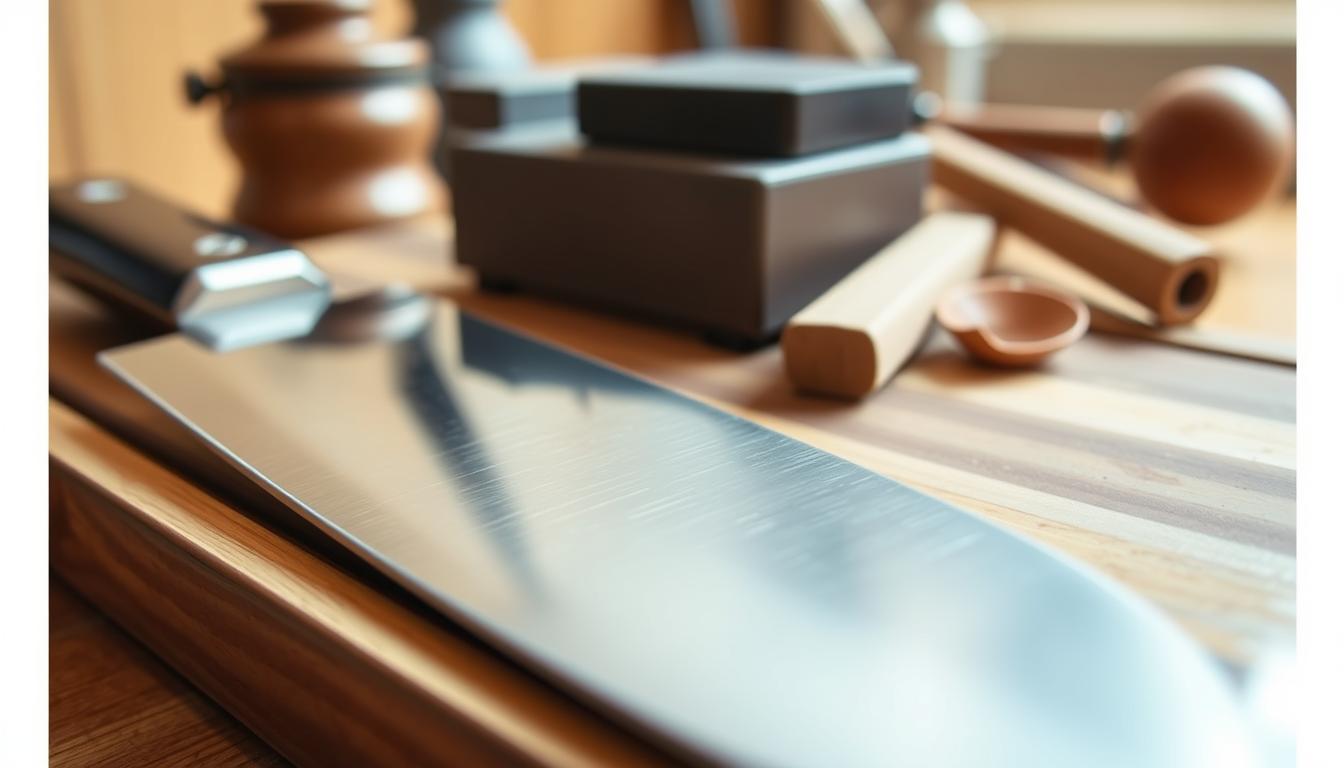
What you do at the stone matters as much as what you do on the board. Too-low angles look amazing on paper but can make an edge that crumbles when it meets a cutting surface. Aim for a balanced angle (around 12° per side for many hard steels) so the edge resists normal kitchen stress.
Coarse grit and pressure: repair versus injury
Coarse stones (100–200 grit) are for repair, not routine finishing. Overusing aggressive grit or pressing hard—especially on a new stone—can nick the apex instead of fixing it.
Grit progression and profile control
You can’t polish away deep scratches with only fine stones. Work up through grits methodically so coarse scratches are removed by the next steps. Keep the profile consistent; avoid thickening behind the apex or you’ll force more material off next time.
- Quick checks: wipe the edge and inspect with a loupe after each grit.
- Pressure tip: use light touch once the burr forms; heavy pushes cause chips.
- When to stop: if chips persist, consider professional reprofiling for a safer case.
Conclusion
Most chipping occurs when an edge meets the wrong force, surface, or material. A knife with very hard steel simply tolerates less abuse. That fact explains why small chips show up even with careful use of japanese knives.
Top fixes you can apply now: use a forgiving cutting board, cut with control instead of twisting, and stop using the edge as a scraper. These steps prevent a lot of damage with little effort.
Sharpen smart: avoid ultra-thin angles by default, progress through grits, and use coarse stones only when needed. A tiny chip is often fixed during routine sharpening.
If chips exceed a small nick or repeat across the full edge, consider a professional service. Follow this page’s guidance and your knives will stay sharp, safe, and predictable over time.