Are Damascus Steel Kitchen Knives Worth the Price? (Real vs. Fake)
You’re shopping for a reliable kitchen tool and the patterned blades keep catching your eye. Many modern pieces labeled “damascus steel” are pattern-welded, not the ancient wootz originals, and the look alone does not promise top performance.
Set your buying goal up front: decide if performance, edge life, and maintenance justify the price for your cooking habits. Expect to find honest pattern-welded cores and purely cosmetic finishes in the U.S. market.
This guide shows clear checkpoints you can use on product pages: steel disclosure, grind and fit, pattern authenticity, and brand history. A patterned blade can be worth a higher price when the maker pairs good heat treatment, sensible geometry, and a disclosed core.
You’ll also get comparisons to stainless options so you make a confident choice based on real performance, not just photos.
What “Damascus Steel” Means Today (and Why That Matters When You Buy)
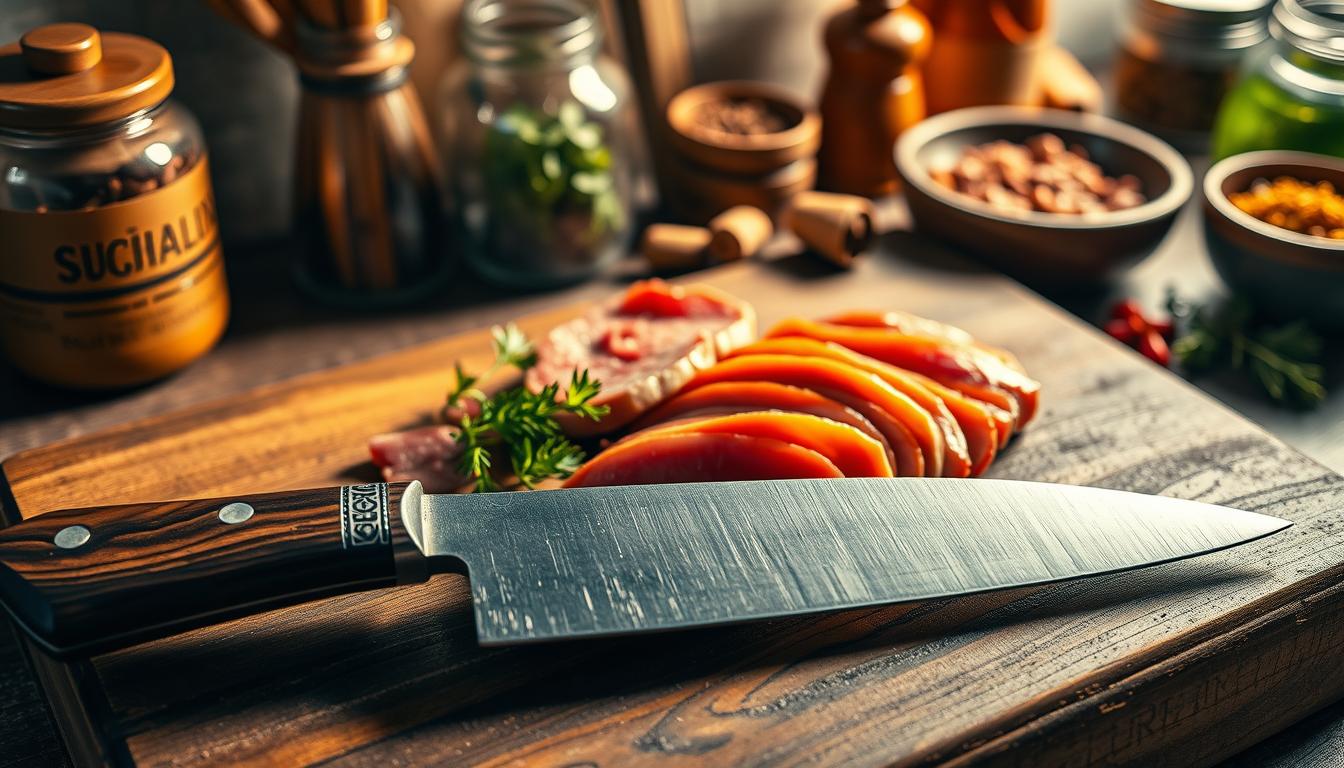
Not every patterned blade you see is the same; understanding types saves money and helps you pick a tool that performs. Historic wootz crucible metal is rare today. Most market listings use modern methods that recreate surface patterns rather than the original material.
Wootz vs modern production
True wootz is a historic crucible product and is seldom what sellers offer. Modern damascus steel is usually a pattern-welded result that mimics the look but not the exact metallurgy.
How pattern-welding works
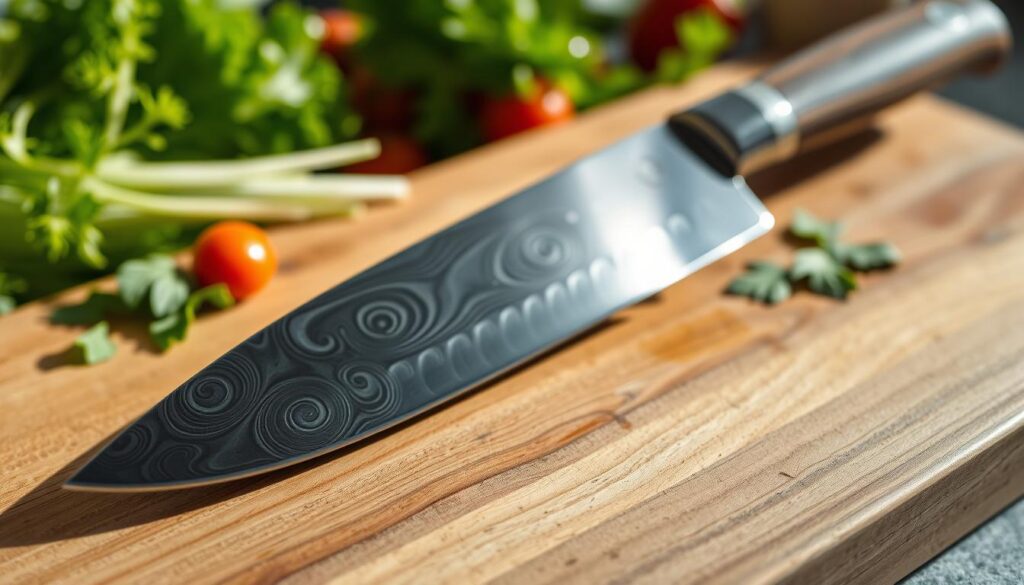
Pattern-welding stacks different steels, forge-welds them, and manipulates layers to reveal visible patterns. The process is labor-intensive, and small irregularities in the pattern often mean the work was forged by hand.
Clad vs fully patterned construction
- The fully patterned blade is welded through the whole piece.
- Clad construction wraps a harder core with patterned layers; the core does the cutting.
- If a listing won’t name the core, treat the surface pattern as decoration.
Bottom line: focus on the core material and heat treatment, not only the pattern, when you evaluate damascus steel knives or a single damascus steel knife.
Damascus steel knife worth it? Start With Performance, Not the Pattern
Start by judging blades on how they cut, not how they look. You want a tool that holds an edge, feels balanced, and slices cleanly day after day. Chefs often highlight consistent sharpness and strong edge retention as the real benefits.
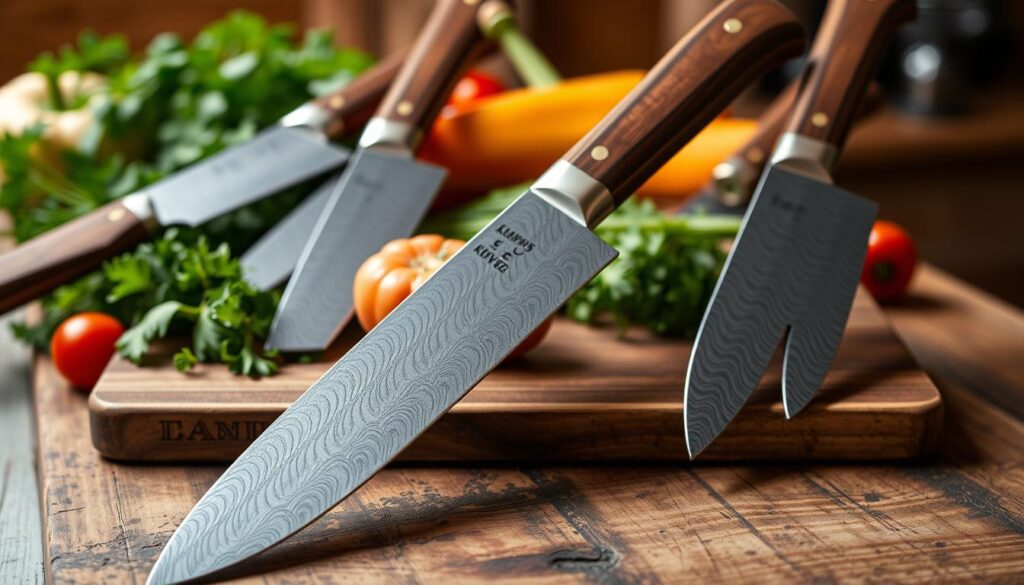
In real kitchen use you’ll notice differences in rocking and push cuts, tip work, and thin slicing. A quality blade geometry can matter as much as the layered finish. Look for a disclosed core like VG-10; the core steel drives long-term performance and how easy the tool is to sharpen.
- Measure edge life: how long between touch-ups and how clean your tomato and fish slices stay.
- Test handling: does the knife track through food with confidence?
- Expect limits: layered construction adds flexibility, but hard cores can chip if abused.
In short, choose a damascus steel knife based on verified edge retention, sharpness out of the box, and the core construction. Pick a model that fits your grip, board, and daily prep for the best performance and durability.
Real vs. Fake Damascus Knives: How to Spot Quality Before You Pay
Before you click buy, learn a few visual checks that separate honest makers from flashy listings. Use photos and specs to verify construction and avoid paying for looks alone.
Pattern authenticity
True pattern-welded work shows slight irregularities across the blade. If the pattern repeats perfectly, it may be surface etching or a printed finish.
Steel disclosure
Reputable makers name the core—VG-10, AUS-10, or Shirogami are common. Core disclosure predicts edge behavior and corrosion resistance. Avoid listings that hide the core with vague phrases like “high quality materials.”
Too-cheap copies and craftsmanship cues
- Fast checklist: uniform pattern, no steel spec, or an unreal low price—red flags.
- Fit and finish: even bevels, clean plunge lines, centered tip, and no handle gaps matter.
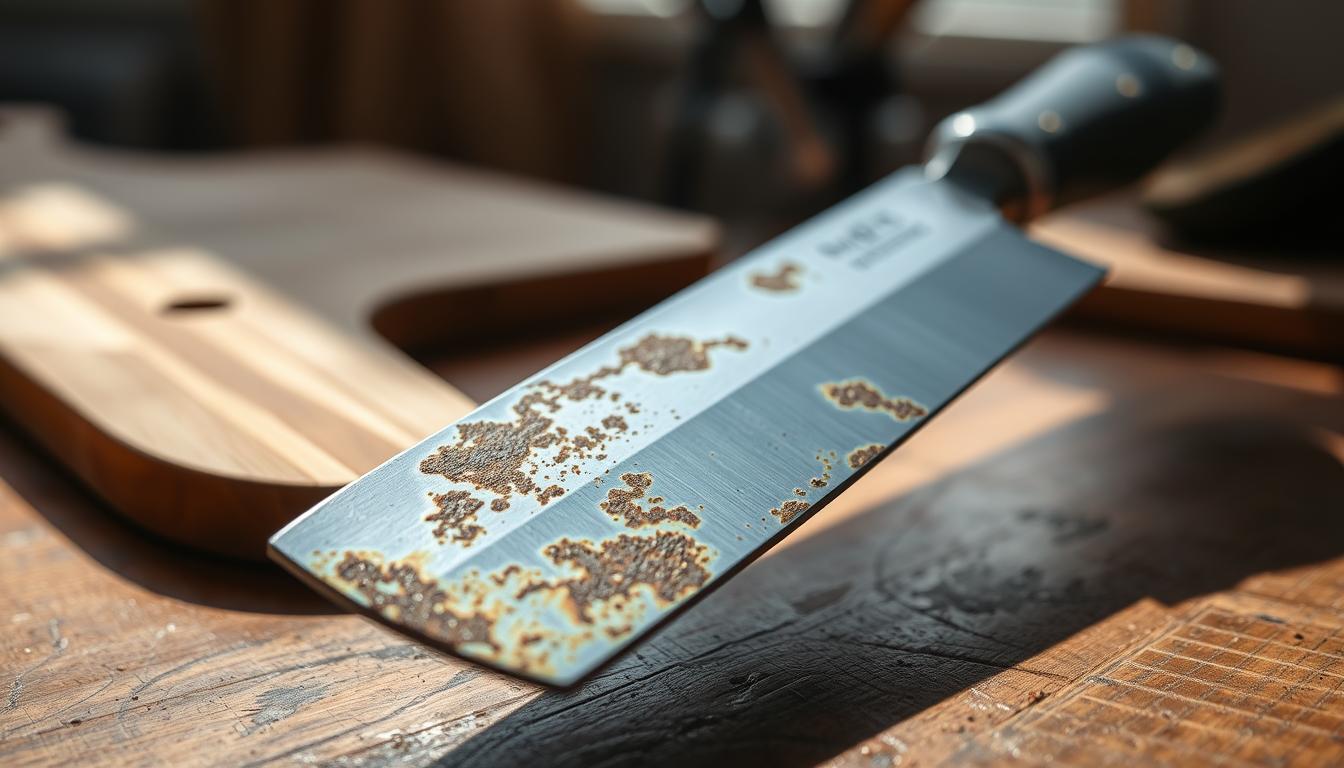
- Practical note: poor finishing or non-stainless cores raise the chance of rust and uneven edge wear.
Bottom line: check pattern variation, demand a named core, and judge photos for finish. Good craftsmanship improves control, edge life, and long-term value before you commit to a purchase.
What Drives the Price of Damascus Steel Knives in the US Market
What you pay for a patterned blade mostly covers skilled work and quality control behind the scenes. Labor, testing, and careful finishing add real cost beyond the visible pattern.
Labor-intensive forging and heat treatment
Pattern welding needs precise temperature control and skilled hands. Manufacturers that focus on proper heat treatment and edge geometry spend more time on tempering and grinding to hit predictable performance.
Layer count and marketing
More layers can refine patterns, but they don’t guarantee better edge retention. If a seller highlights layer numbers without naming the core steel or hardness, treat that as marketing until proven by specs or reviews.
Trusted makers invest in quality control, fit and finish, and documented construction. That consistency translates to predictable cutting performance and justifies higher price points for many buyers.
- What you pay for: labor, heat treatment, QC, and finishing—not just surface patterns.
- Typical ranges in the US often sit around $100–$500+, depending on maker and materials.
- Sweet spot: mid-tier models often balance craftsmanship and price; premium pieces should show documented steels and standout construction.
Damascus Steel vs. Other Knife Materials for Your Kitchen
B. Picking the right blade material is about balancing sharpness, maintenance, and toughness for daily prep.
Damascus steel vs. stainless steel
Stainless steel wins on rust resistance and low upkeep. Many patterned blades outperform common stainless on edge retention, but they usually need more care to avoid corrosion.
Verify whether outer layers or the core are stainless before you assume low maintenance.
Damascus steel vs. high carbon
High carbon steels sharpen fast and reach extreme sharpness. Patterned builds can add toughness and longer retention when the core and heat treat are right.
If you value quick touch-ups, carbon may suit you. If you want better retention with similar sharpness, consider a layered construction with a known core.
Damascus steel vs. ceramic
Ceramic holds an edge a long time but chips easily and can break under lateral force. Patterned metal blades give better durability for general kitchen cutting and are more forgiving on hard tasks.
- Choice tip: pick stainless for low worry, carbon for ease of sharpening, and patterned blades for a middle ground of sharpness, durability, and feel.
- Performance note: geometry and heat treatment determine how smoothly a blade cuts more than the surface pattern.
Ownership Costs: Maintenance, Sharpening, and Rust Prevention
Simple daily habits extend edge life and keep the finish looking new. Expect time spent on care when you buy patterned blades. That routine preserves value and performance over the long run.
Cleaning and drying
Hand wash and dry immediately after use. Never leave the blade soaking or resting wet on a board.
Moisture is the common cause of rust and spotting on higher-carbon cores. Skip the dishwasher—heat, detergent, and knocking damage the finish and handle.
Sharpening expectations
Even premium models need regular honing and periodic stone sharpening. Think of sharpening as planned upkeep, not a rare chore.
Short, frequent touch-ups keep sharpness and reduce the need for aggressive sharpening that shortens edge life.
Protecting the pattern and finish
- Wipe blades dry and apply a light coat of food-safe oil for extra rust protection.
- Avoid harsh scrubs or acidic cleaners that can dull etched patterns.
- Follow a simple maintenance schedule to extend durability and preserve appearance.
Bottom line: good maintenance protects performance and extends the value of your kitchen tool. Proper care keeps the edge working and the pattern looking like new.
Which Damascus Knife Should You Buy for Your Cooking Style?
Choose a blade that matches how you actually cook, not the prettiest pattern in the gallery.
Best use cases: If you do lots of vegetables, thin slices, and protein prep, a chef knife or gyuto profile gives the most daily utility. Those models balance length, tip control, and a wide belly for rocking cuts.
When a simpler steel knife is smarter
If you want low maintenance, work with frozen foods, or sometimes hit bone, pick a simpler steel knife with proven toughness. That choice reduces chipping and avoids frequent care.
What to prioritize for your first patterned blade
- Named core: look for VG-10 or Shirogami #2 for predictable edge retention and sharpening.
- Geometry and weight: balanced mass and a thin enough bevel behind the edge for clean cutting.
- Handle comfort: try the grip or read reviews about hand feel and balance.
Value tip: mid-priced damascus steel knives from reputable makers often hit the sweet spot—good edge retention, solid construction, and clear specs. Premium price should buy cleaner craftsmanship and documented materials, not just more layers.
Shopping shortlist: check for disclosed core steel, hardness, verified reviews on chipping, and a fair return policy to protect your purchase.
Conclusion
When you finalize a purchase, focus on documented materials and tested edge behavior over visual flair.
A damascus steel piece is justified when a proven core, sound geometry, and honest craftsmanship back the pattern. Prioritize disclosed core materials, heat treat info, and real reviews about edge performance and durability.
Real vs fake: real shows authentic pattern-welded variation plus clear steel disclosure; fake sells perfect patterns and vague specs.
If low maintenance and minimal rust worry matter most, choose stainless steel. If you value performance and artistry, modern damascus can be the right choice.
Remember: edge stability, retention, and sharpening feel drive performance more than layer count. Use the checklist—core steel, pattern authenticity, maker reputation, and maintenance fit—to pick a long-lasting tool you’ll enjoy using.