Mastering the Kiritsuke: Is This Hybrid Knife Right for Your Kitchen?
You’ve likely seen the long, flat blade with a pointed tip and wondered if it fits your routine. The kiritsuke blends slicer and chef roles, so it behaves differently than a Western chef tool in daily prep.
Start by setting expectations: this shape favors straight cuts and precise slices. When matched to your technique, it delivers clean slicing on fish and tight control on vegetables and proteins.
This short buyer resource matters because the right pick depends on your cutting style, what you cook, and how much upkeep you will accept. Consider bevel type, steel and heat treatment, blade geometry, length, and handle feel.
Historically, use signaled mastery for head chefs in Japan. Modern double-bevel versions make the tool accessible to ambitious home cooks too.
By the end, you’ll know whether this tool should be your primary workhorse, a specialist slicer, or a next step after you’ve learned Japanese blades. You’ll also gain the specs to compare models and buy once with confidence in performance.
What a Kiritsuke Knife Is and Why It Stands Out in a Japanese Kitchen
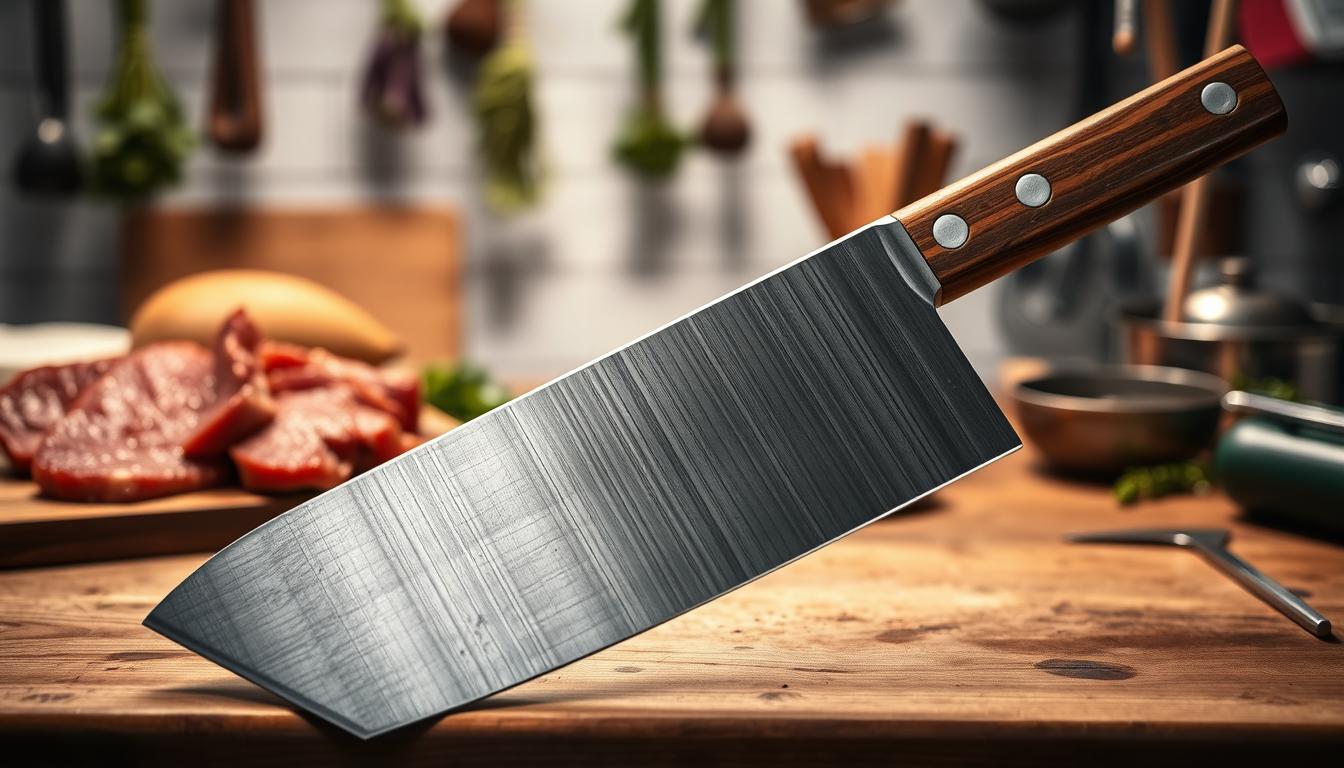
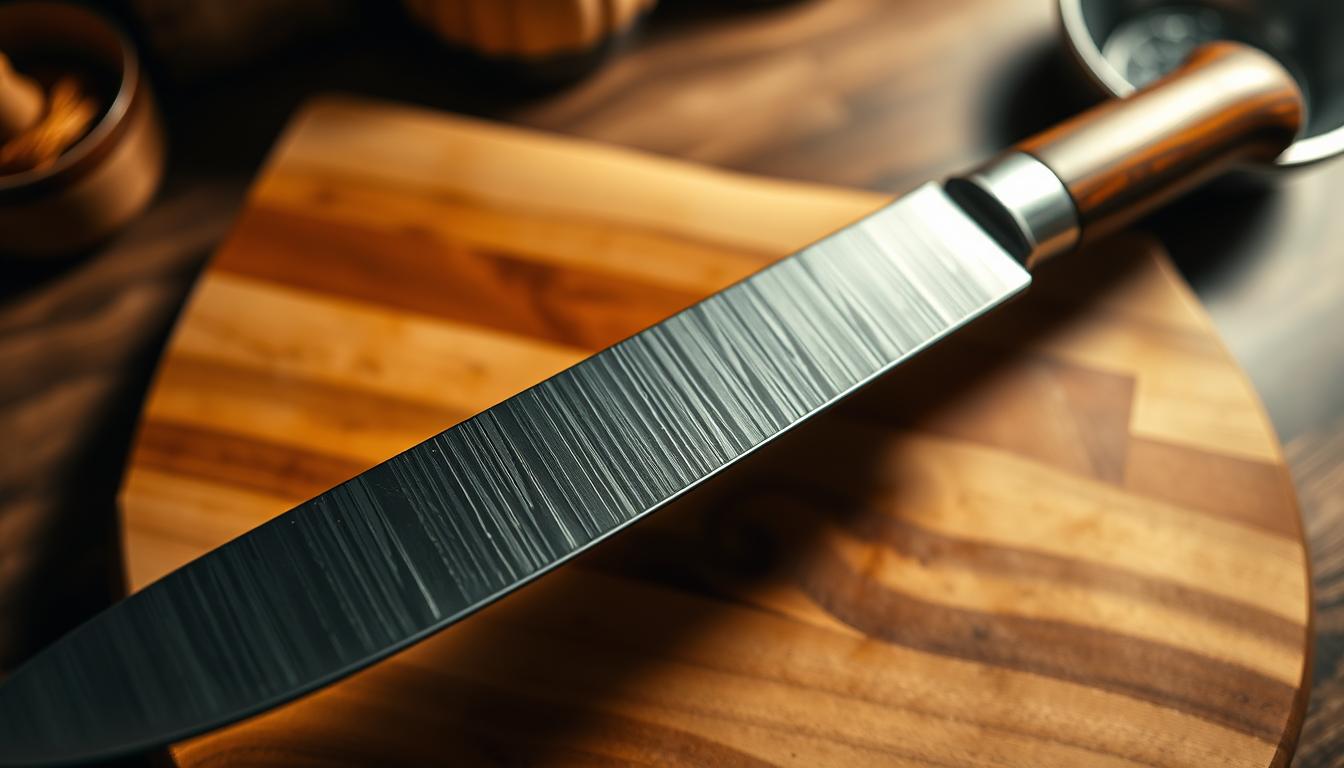
A distinct, mostly flat blade with a sharp angled tip serves a specific role in traditional japanese kitchens. The profile is easy to recognize: a long, low-belly edge finished by a kengata or reverse tanto-style tip. This combination creates an extra precision surface for detailed work.
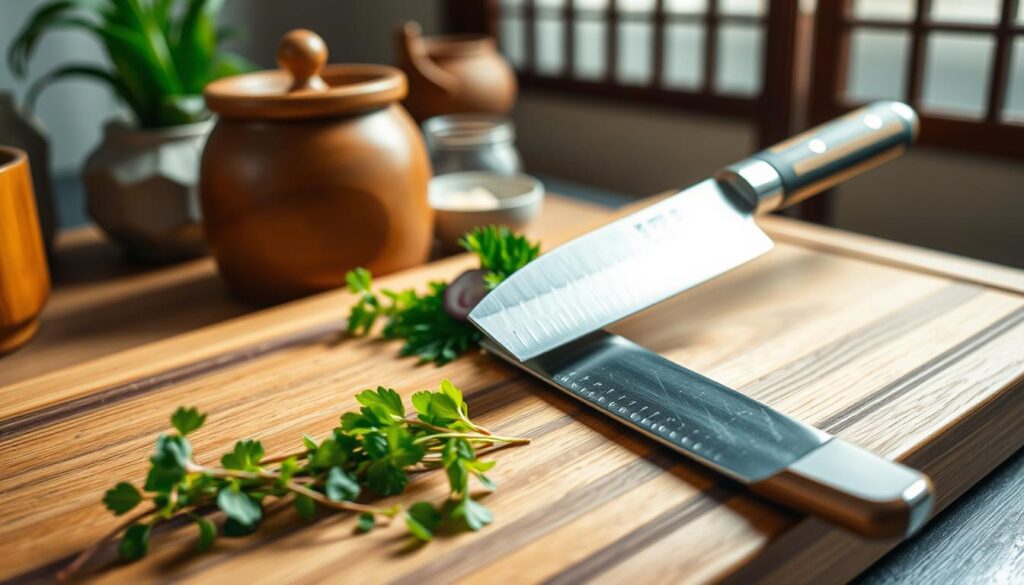
Practical definition: you’re looking for a flat edge paired with a keen K-tip that gives a secondary point for scoring and trimming. That tip gives fine control when you score fish, trim membranes, or do delicate finishing cuts.
- Flat edge favors push cuts and clean draw slicing over rocking motions.
- Thin geometry and hard steel make the design very sharp and precise.
- Modern double-bevel models offer more approachability for home cooks.
The blade also carries cultural weight: in traditional japanese kitchens, only the executive chef used this tool. That status reflects skill and responsibility. Expect a short learning curve if your prep relies on rocking cuts, but expect great slicing performance once you adapt.
Kiritsuke Origins, Design, and Cultural Significance
The kiritsuke’s lineage sits at the crossroads of sashimi slicing and vegetable work, born to do both with finesse.
Hybrid heritage: in traditional japanese kitchens this form blends yanagiba slicing intent with the usuba’s flat, straight edge. That mix is why you’ll see it sold as a multipurpose tool rather than a single-use implement.
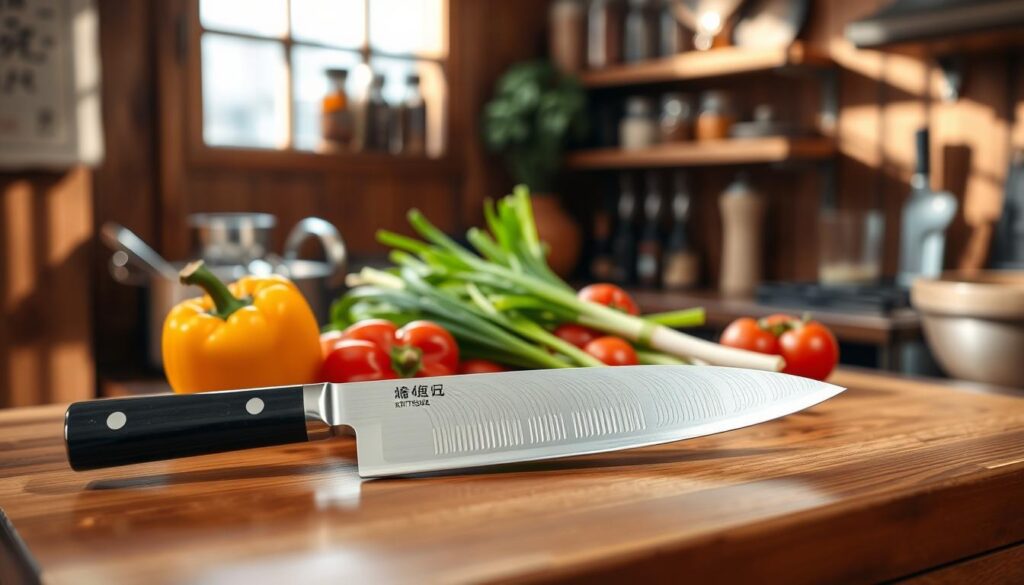
What that means for your purchase: you’re buying a blade profile built for long, clean cuts and controlled straight-line chopping. If you want a specialist for sashimi or veg work, seek single-bevel originals. If you want daily versatility, look for modern double-bevel models.
- Sword-making roots: Japan’s forging tradition shows up in crisp grinds and a keen tip that favors precision and fine finishing.
- Rank and craft: historically, use signaled status in the kitchen; today the shape carries that cultural weight worldwide.
- Market note for US buyers: you’ll see hybrid names like kiritsuke gyuto; the K-tip profile is the real identifier regardless of label.
Kiritsuke Knife Uses and Versatility in Everyday Cooking
Home cooks who value precise, straight-line cuts will find this hybrid shape a reliable slicer for delicate tasks. It excels at long pull slicing for sashimi and other raw fish work where sawing ruins texture and presentation.
Flat edge advantage: the low belly keeps consistent contact with the board. That helps with vegetable prep like daikon, shredded cabbage, and fine julienne without crushing produce.
- Slicing fish: use long draw strokes for clean cuts that preserve texture and sheen.
- Vegetable work: straight push cuts give uniform slices and even shreds for salads and garnish.
- Detail tasks: the angled tip helps trim silverskin, score proteins, and remove skin from fish with precision.
Be realistic about versatility. If you favor rocking motions for herbs or need heavy butchery, this blade is not ideal. Avoid twisting through bones or hard product. Treat it as a precision tool, not a cleaver.
Who it suits: if you cook a lot of fish, crave clean slices, and do detailed prep, this profile rewards your technique and weekly work.
Kiritsuke Knife Guide: Choosing Between Single-Bevel and Double-Bevel
Deciding between a single-bevel and a double-bevel model comes down to how you want it to behave in your kitchen. One grind gives you extreme precision and the other gives easier control and lower upkeep.
Single-bevel performance
Single-bevel edges deliver razor-like sharpness for fish and fine finishing cuts. You get cleaner slices and finer detail, which appeals to professional chefs and serious hobbyists.
Expect more skill and exact sharpening. The edge can “steer” your cut if your technique slips, so practice long draw slices and steady pressure.
Double-bevel practicality
Double-bevel models feel closer to a chef knife you already own. They are ambidextrous, easier to sharpen, and more forgiving for home cooks.
Handedness, steering, and the learning curve
Traditional single-bevel blades are often made for right-handed users unless you buy a left grind. Steering matters: a single-sided edge can pull a cut line and affect control on long slices and vegetables.
- Choose single-bevel if you want top-tier edge performance and accept maintenance.
- Choose double-bevel if you want kiritsuke knives utility with fewer barriers and faster mastery.
Quick rule: match bevel to your routine to avoid costly returns and get the control you expect in real kitchen moments.
Blade Steel and Heat Treatment: What Drives Sharpness, Edge Retention, and Maintenance
Not all steels behave the same; the metal and temper behind the edge define performance and care. Your day-to-day experience — how sharp the blade feels and how often you sharpen — comes from steel choice plus heat treatment.
High-carbon favorites: White #2 and Blue #2
White Steel #2 takes a very keen edge and yields excellent sharpness for fine slicing. It asks for regular care because carbon steels can stain and need drying after use.
Blue Steel #2 balances keen edges with longer edge retention while staying in the traditional performance family.
Stainless and semi-stainless options
VG10 and AUS-10 reduce corrosion worries and cut down maintenance. SG2/R2 (powder steel) boosts edge retention further, though it can feel harder to sharpen.
Hardness targets and why 60+ HRC matters
Manufacturers often aim for 60+ HRC for sharp cutting geometry and long-lasting edges. Higher hardness supports thin grinds and cleaner slices but can chip if you abuse the blade.
Damascus cladding vs mono-steel
Damascus is mostly aesthetic and adds toughness around a hard core. The real cutting performance comes from the core steel and how it was heat-treated.
- Practical rule: prioritize reputable heat treatment and consistent hardness.
- Maintenance note: carbon needs wipe-dry habits; stainless lowers the upkeep.
- Buy tip: favor sensible geometry behind the edge over layer counts or fancy finishes.
Blade Geometry and Edge Design: The Details That Separate Good from Great
The real difference between good and great tools lives in the subtle angles and tapers of the blade. Two pieces can share the same silhouette, yet grind thickness and taper decide how effortlessly they cut.
Flat profile and real-world cutting
The flat profile favors push cuts on vegetables and clean pull cuts on proteins. You will use less rocking because the belly is minimal compared to many chef knives.
Distal taper and tip strength
A clear distal taper thins the blade toward the tip. That reduces resistance and improves precision while keeping enough strength for normal prep tasks.
Grind styles to know
Expect three common grinds: wide bevel for an aggressive cutting feel, convex for durability and better food release, and traditional ura on single-bevel blades for classic performance.
- Why geometry matters: thin behind the edge and consistent taper make cutting easier and more reliable.
- Angled tip value: the angled tip gives an extra, precise point for scoring and fine trimming.
- Buyer checklist: look for “thin behind the edge,” consistent grind from heel to tip, and clear maker notes on bevel style and intended cutting technique.
Length, Balance, and Handle Fit: Getting the Right Kiritsuke for Your Kitchen
Choosing the right length and handle changes how the blade feels the moment you pinch it. Small adjustments in size and balance shape everyday comfort and long prep performance.
Common lengths and control
210mm suits tighter kitchens and smaller cutting boards. It is more maneuverable and easier for intricate work.
240mm is a common sweet spot. It balances reach and control for most home cooks and chef-style tasks.
270mm+ rewards confident technique and long slicing, but it needs more board space and tip awareness.
Balance and pinch-grip fit
Look for balance near your pinch grip. That placement gives better control, steadier push cuts, and less fatigue during long sessions.
Wa-handle vs Western handle
Wa-handles feel lighter and often shift balance toward the blade, which helps nimble design work. Western handles feel familiar to many U.S. cooks and usually offer a fuller grip and heavier feel.
- Fit test: try the choil and pinch grip for comfort before buying.
- Practical check: if the blade feels too long or tip-heavy, you lose control.
- Buying tip: choose the length and handle that match your board space, hand size, and daily prep.
Craftsmanship and Fit-and-Finish Checks to Make Before You Buy
Before you buy, inspect the small details that decide how it feels every day. Fit-and-finish matters beyond looks: comfort at the spine and choil reduces hot spots during long prep and makes a kitchen knife far easier to pinch and control.
Spine and choil comfort for long prep sessions
Check for eased edges where your thumb and index finger rest. A rounded spine and a clean choil let you hold a pinch grip longer without soreness.
Even bevels and consistent factory grinds from heel to tip
Look for consistent grind lines in photos or in person. Even bevels from heel to tip support predictable cuts and make sharpening easier.
Uneven factory grinds can wedge food or steer your cut. A truly good factory edge is noticeably sharp and consistent out of the box.
Handle-to-tang fit, ferrule transitions, and build quality signals
Inspect the handle: tight fit with no gaps, smooth ferrule transitions, and clean epoxy work are signs of quality. Poor fit traps moisture and shortens service life.
- Quick checks: choil close-ups, spine photos, and grip shots when shopping online.
- Value note: paying a little more for superior finishing often saves time and avoids rehandling.
- Final test: select models that feel balanced for your use and promise consistent performance for chefs and home cooks alike.
Kiritsuke vs Other Japanese Knives and Western Chef Knives
Comparing this hybrid blade to other Japanese and Western styles helps you pick the right tool for your prep. Below are clear contrasts so you know when the blade replaces a tool or complements one.
Kiritsuke vs gyuto
Gyuto usually has more belly and a forgiving arc for rocking. That makes it easier for mixed tasks and those new to japanese knives.
The hybrid’s flatter profile and K-tip favor push and long draw cutting. Choose a gyuto if you want a more forgiving chef knife for varied motion.
Kiritsuke vs yanagiba
Yanagiba is a sashimi specialist built for single-stroke long slices of fish. It excels at raw fish presentation.
The hybrid covers more tasks. It gives long slicing work but adds versatility for everyday prep.
Kiritsuke vs usuba and nakiri
Usuba is tall and square for tight vegetable work and is often single-bevel. Nakiri is double-bevel and rectangular, with no pointed tip.
The hybrid sits between them with greater slicing reach while still handling vegetables cleanly.
Kiritsuke vs bunka, santoku, and deba
Bunka and santoku are everyday utility shapes many home cooks favor. They are nimble for chopping and quick work.
Deba is heavy duty for fish butchery and cutting near bone. The hybrid beats both on long, precise slices but not on heavy chopping or bone work.
Kiritsuke vs Western chef knife
Western chef knives emphasize rocking cuts and ergonomic handles common in US kitchens. They feel familiar and versatile.
The hybrid rewards straight push and pull techniques and often uses lighter wa-style handles. You may want both styles depending on your workflow.
- Use case clarity: replace when slicing, complement when chopping.
- Fish vs bones: choose deba for butcher tasks and yanagiba for pure sashimi.
- Everyday work: gyuto, bunka, or santoku are more forgiving for wide-ranging prep.
How to Use and Maintain a Kiritsuke Knife for Long-Term Performance
A steady pinch grip plus the right stones and boards is the practical path to lasting sharpness. Start by placing your thumb and forefinger on the blade just ahead of the handle to increase stability and keep the tip from wandering.
Pinch grip fundamentals for safer, more precise control
Pinch grip reduces wrist strain and improves control on long draw slices. Keep your wrist neutral and let the blade’s length do the work for clean, consistent cuts.
Technique adjustments for common kitchen cuts
Use more vertical, up-and-down motions for chopping and push cuts for vegetables to avoid crushing. For fish and proteins, favor a clean draw slicing motion: long, even strokes that preserve texture.
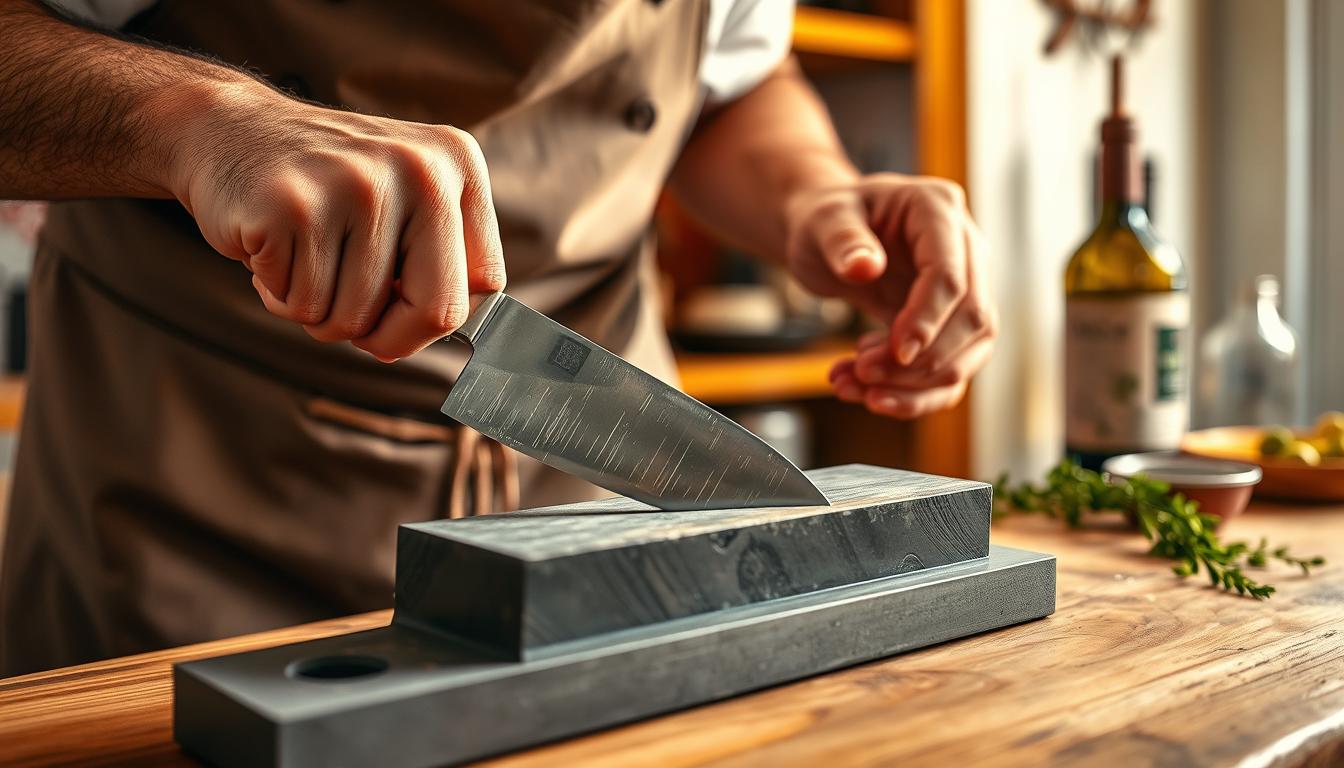
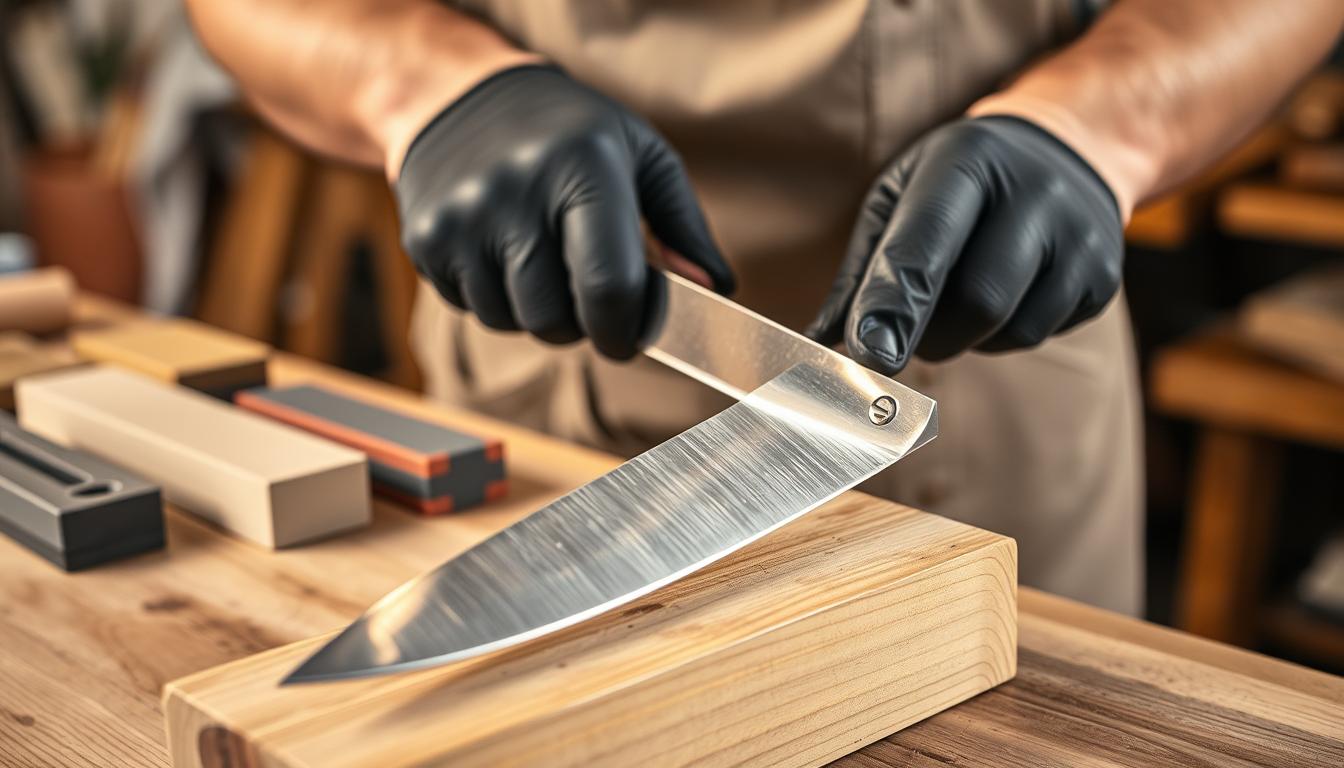
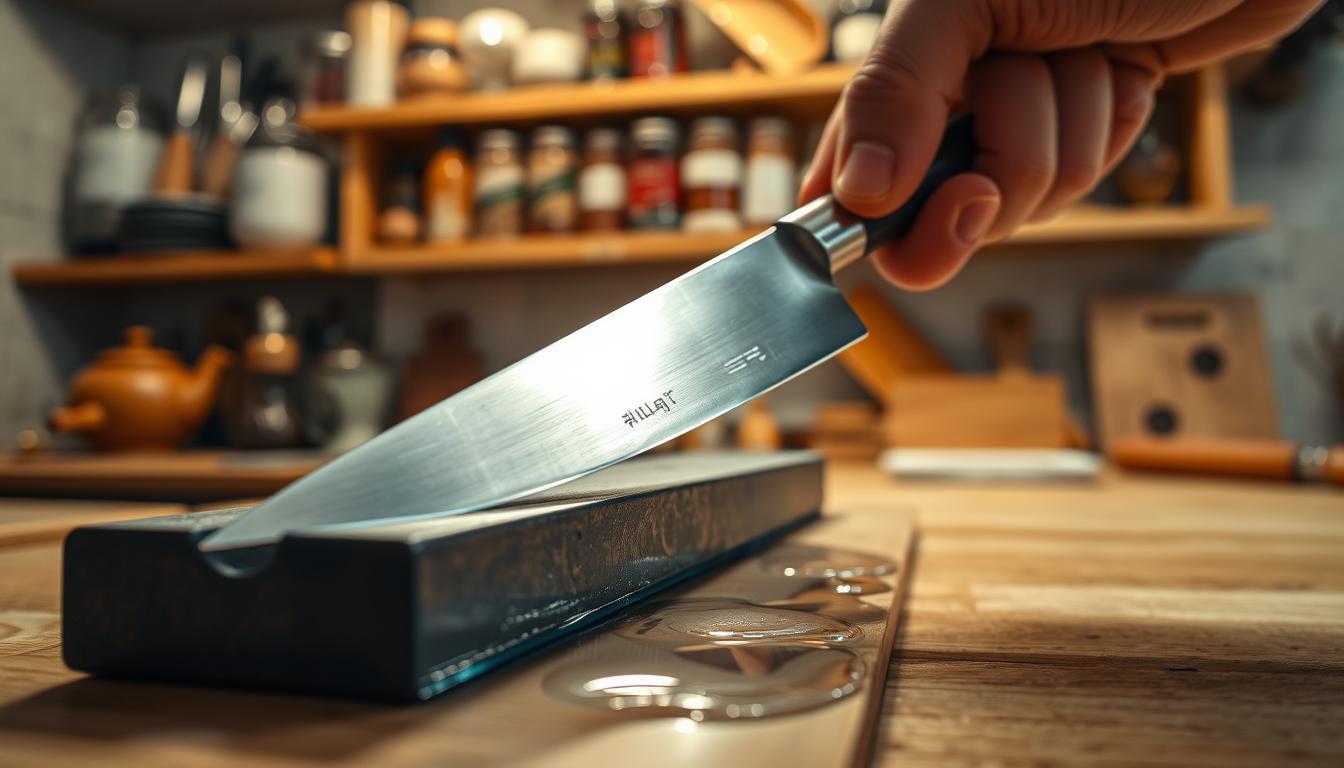
Sharpening with whetstones and touch-ups
Whetstone sharpening restores the edge best. Do full sharpening every few months depending on how often you cook.
Light touch-ups on a fine stone or strop before the blade feels dull keep sharpness high and reduce the need for aggressive grinding.
Care essentials to protect the edge and finish
Wash and dry the blade immediately after use. For carbon-steel variants, apply a thin coat of food-safe oil before storage to prevent rust.
Use softer cutting boards like end-grain wood or high-quality soft synthetic boards. Avoid glass, stone, or very hard bamboo which wear the edge faster.
- What sharp should feel like: the blade should bite tomato skin and glide through onions with minimal force.
- Maintenance plan: light touch-ups monthly for frequent cooks; full whetstone sessions every 2–4 months.
- Longevity tip: consistent technique plus basic maintenance lowers long-term repair costs and keeps performance high.
Conclusion
If you want cleaner sashimi slices and neater vegetable prep, this hybrid profile rewards practice more than brute force. In a modern japanese kitchen at home it brings chef-level precision when you match technique and care.
Best-fit decision: choose this model if long, straight slices and precise push cutting matter to you. For everyday ease pick a double-bevel; choose single-bevel only if you accept the sharper learning curve and maintenance.
Prioritize reputable heat treatment, sensible steel, a comfortable handle, and consistent grinds over decorative finishes. Expect top performance when you use straight cuts, keep the edge maintained, and avoid heavy butchery tasks better left to other knives.
Use the comparisons and checklist in this article to narrow length, steel, and bevel so the tool matches your board space, cooking habits, and sharpening comfort. A confident next step is to test models in person or buy from a retailer with a clear return policy.