Safe and Sharp: The Best Oyster Shucking Knives for Seafood Lovers
Shopping for the right tool starts with knowing what it does: an oyster knife is built for control at the hinge, not slicing like a chef’s blade. You want a design that keeps the shell steady and reduces slips, so opening shellfish at home is faster and safer.
This roundup gives you quick picks first, then a compact buying guide, and deeper dives so you can match a knife to your budget and skill level. You’ll see both bent-tip styles for beginners and straight blades used in restaurants.
By the end, you’ll know which model to buy, which features matter, and what tradeoffs to accept at each price point. We’ll also include a clear safety section so you can handle oysters confidently, even if this is your first time opening them.
Why you need a dedicated oyster knife for safe shucking
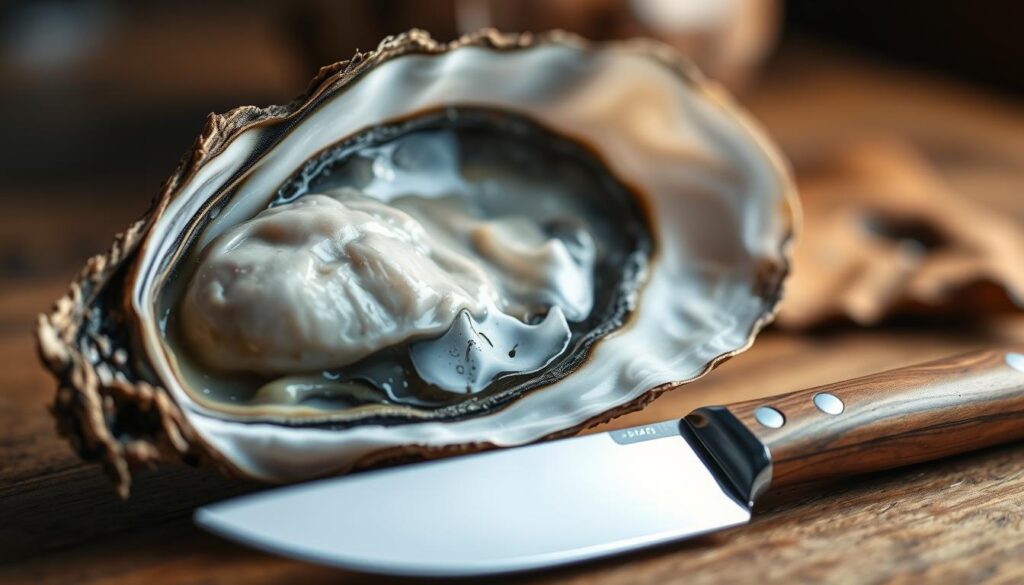
A purpose-made tool keeps the process controlled and your fingers safer. An oyster shell is hard and uneven; it can redirect a blade in a flash. When the opener skates across ridges, you risk cuts or a slip toward your hand.
How a hinge and long blades create hazards
The hinge is the entry point for opening—it’s small and tight. Forcing a long kitchen blade into that gap increases the chance the blade will slip forward toward your hand.
What makes purpose-built knives different
Good shuckers favor short, thick blades that resist bending. Those blades let you pry and twist, not slice, so you control torque at the hinge.
- Unforgiving shell: Hard, jagged surfaces can deflect a blade that misses the hinge.
- Prying over slicing: You need lever strength at the tip more than a keen slicing edge.
- Secure grip and guards: Handles with non-slip textures or finger guards protect your hand on wet ice.
- Blade stability: Cheap blades can go wavy over time, reducing tip precision and raising risk.
Experienced cooks sometimes use a paring knife, but sticking to a purpose-built option is smarter for most home cooks. Your best choice will depend on how often you pry open shellfish, your skill level, and how much safety you want built into the grip.
Quick picks: top oyster shucking knives worth buying in the United States
If you want a quick shortlist, here are four standout openers that cover most home uses and budgets. Use this snapshot if you already know your price range or handle preference.
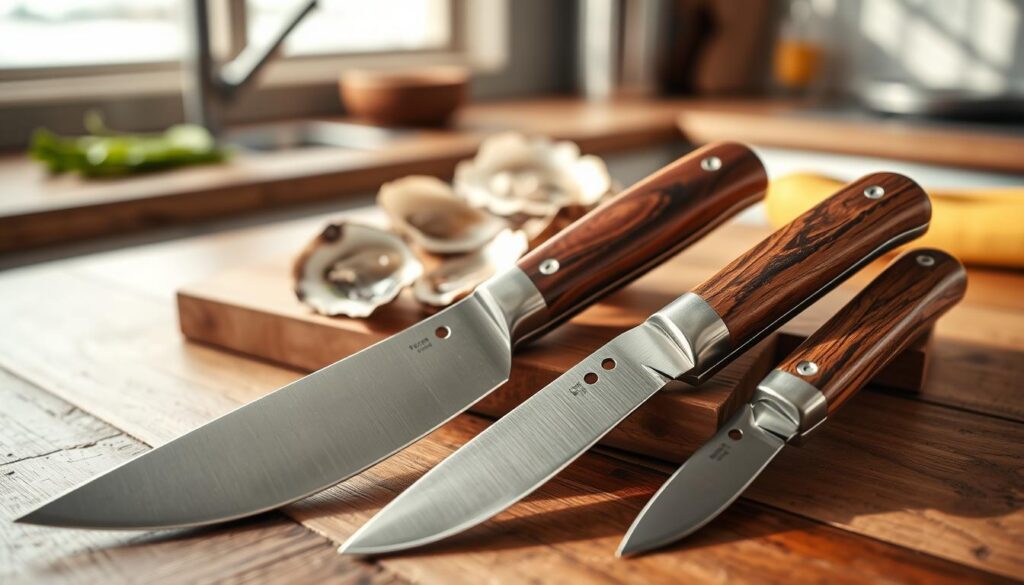
R Murphy / Ramelson New Haven — best overall
Price: $38 (Amazon). The New oyster knife blends a balanced feel with a bent tip that makes hinge work easy. You get reliable control and a comfortable handle that suits most home cooks.
OXO Good Grips — budget pick
Price: $11.99 (Amazon). The oxo good grips handle delivers confident traction for occasional use. It’s a solid entry option when you want good grip without a high price.
Made In Oyster Shucker — splurge
Price: $49 (Made In). The made oyster shucker offers premium materials and a lifetime-ready look. Choose this if you want a tool that lasts and looks elevated on your bar cart.
Swissmar Shucker Paddy — handle design standout
Price: $19.95 (Amazon). The pistol-style grip speeds work once you adapt. It’s ideal if your favorite oyster routine values quick, repeatable motion.
- Note: You’ll find more alternatives later — restaurant classics, beginner sets, and giftable options — so you can compare beyond these four quick picks.
- Tip: “Best” depends on your priorities: dishwasher cleanup or long-term steel and durability.
Best oyster shucking knife buying guide: what to look for before you buy
Know what matters so you pick a tool that helps you open oyster shells with control and low risk. Focus on tip style, blade length and shape, steel type, and the handle you can actually hold when wet.
Blade type: bent tip vs straight tip
A bent tip helps you find purchase at the hinge and makes it easier to open oyster shells with less trial and error. Straight tips feel classic and work well once you master placement and leverage.
Blade length and tip shape
Short blades give tighter control and reduce over-penetration. Longer blades add reach but require steadier hands.
Rounded or blunter tips cut puncture risk, while a pointed tip still needs enough bite to start the hinge.
Steel and maintenance
Stainless steel resists corrosion and is low‑maintenance. High carbon stainless steel holds edge and stands up to heavy use but may need more care.
Handles, grips and guards
- Plastic handles: dishwasher-safe, consistent grip.
- Wood handles: comfortable and attractive; hand-wash only.
- Look for non-slip grips, pistol-style shapes, or guards to reduce slips when your hands are wet.
Reality check: Very cheap blades can flex or warp. That reduces control at the hinge and raises risk when you twist and pry.
Best overall oyster knife: R Murphy/Ramelson New Haven Oyster Knife Shucker
For a go-to opener that balances control and value, the R Murphy / Ramelson New Haven earns its spot.
Specs
Exact specs:
- Blade length: 2.58-inch blade made from high carbon stainless steel.
- Recycled plastic handle designed for a secure, comfortable grip.
- Bent tip for easier purchase at the hinge and improved leverage.
Why you’ll like it
The handle feels stable in wet hands, so you get better control and less fatigue when you twist and pry. That comfort acts as a safety feature during repeated use.
Watch-outs
Care is simple but not dishwasher-safe. Hand-wash only makes this a poor fit if you prefer toss-and-go cleanup after a party.
Credibility and quick comparison
This model is cited by Serious Eats and SAVEUR, which gives real purchase confidence beyond trend pieces. If you want dishwasher cleanup, look at other plastic-handled options; if you want a premium look, consider walnut-handled splurges favored by some chefs.
Best budget oyster knife: OXO Good Grips stainless steel non-slip oyster knife
If you’re trying this hobby or hosting a small raw bar, the OXO Good Grips option gives steady performance for a low price. It’s framed as the value pick when you want dependable results without a big spend.
Specs
Blade length: 2.75-inch stainless steel blade.
Handle: non-slip plastic good grips handle with a bent tip for hinge work.
Why you’ll like it
The good grips handle feels comfortable in your palm and stays steady when your hands are wet. The bent tip makes finding the hinge easier, so you open oysters with less frustration.
Tradeoffs and upgrade path
At this price the handle is a bit short for larger hands, and heavy, repeated use can leave the blade wavy over years. If you start shucking often, consider stepping up to a tougher steel non-slip oyster model or a higher-grade grips stainless steel build to keep tip control.
Social proof
This model carries a 4.7-star Amazon rating with 2,500+ reviews and appears on lists from The Spruce Eats, Serious Eats, and SAVEUR — good credit if you want low risk and value.
Best splurge oyster shucker: Made In Oyster Shucker
If you shuck often or want a tool that looks as good as it performs, this model is worth the extra spend. It pairs premium finish with practical design so you get consistent results over time.
Specs
Blade length: 2.63-inch blade made from 420HC high carbon stainless steel.
Handle: walnut handle for a classic feel and secure grip.
Why you’ll like it
The made oyster shucker delivers a sturdy, comfortable handle that helps you apply controlled torque at the hinge without fatiguing your hand. The solid blade resists flex so each pry feels predictable and safe.
Care notes
- Hand-wash only to protect the walnut handle and finish.
- Occasional oiling preserves the wood and keeps the grip stable.
- Named a top oyster knife by The Spruce Eats, Serious Eats, and SAVEUR.
Worth it? If you open a few dozen shells at a time or host regularly, this made oyster shucker gives a true “buy once” feel. If you only open a handful a year, a budget oyster shucking knife may be fine at the end of the day.
Best ergonomic handle: Swissmar Shucker Paddy Universal Oyster Knife
If ergonomics matter most, this model rethinks the grip to reduce wrist strain and speed your work.
What makes it different:
Pistol-grip design inspired by a champion shucker
The design comes from a world champion shucker and Guinness World Record holder. That pedigree signals a performance-first approach to motion and leverage.
Specs
- 2-inch stainless steel blade
- Durable plastic handle with a pistol-style grip
- Dishwasher-safe for easy cleanup
Why you’ll like it
The angled handle shifts your wrist so you can access the hinge more directly. That change helps you twist and pry with better control against the shell.
Versatility and trade-offs: It works well on other shellfish and stands up to frequent use. Expect a short adjustment period— the shape feels different from straight-handled knives, but many users adapt quickly.
Restaurant-style classic: Mercer Culinary Boston-style oyster knife
You’ll see this model on busy service lines because it trades fancy bells for dependable performance. The mercer culinary Boston-style oyster knife is a go-to for staff who open shells all night.
Why pros pick it: It’s affordable, effective, and easy to replace when gear wears out. That matters if you handle lots of oysters and need consistent, repeatable results.
Specs snapshot
- Blade length: straight 3-inch length for reach and control.
- Tip: rounded tip reduces puncture risk while still finding the hinge.
- Price: about $12.78 on Amazon — an economical workhorse.
Who it suits and how it compares
If you already place the tip confidently, the straight blade gives a traditional feel and fast workflow. Compare it to a messermeister oyster knife to understand the Boston-style category: simple, sturdy, and focused on function.
When to choose it: Pick this if you want a no-frills tool that performs under heavy use and favors speed over specialty tip shapes. The rounded tip lowers puncture risk, but you still rely on a firm twist to open shells safely.
Best set for beginners: Toadfish Oyster Shucker’s Bundle with shucking towel
A combined kit gives you both practice-friendly blades and a safety towel so you can learn with confidence.
What you get: Two oyster knives plus a cut-resistant towel designed to protect your hand while you learn. One blade has a bent-tip for easier hinge entry; the other favors faster, pro-style technique.
- Smart starter buy: You get tool variety and safety gear together, so you avoid guessing which profile fits your style.
- Exact contents: Two oyster knives and a heavy-duty, cut-resistant towel meant to steady the shell and shield your hand.
- Who it suits: New shuckers who want a bent-tip for early success, plus a second knife for when you move to a quicker technique.
Why the towel matters: The towel stabilizes the shell and reduces slips when juices make surfaces slick. That protection leads to fewer interruptions, more confidence, and a smoother path from your first open oyster to a full platter.
Value note: Priced at about $76.97 on Amazon (Skinnytaste), the bundle costs more up front but can save you from buying the wrong single tool and upgrading later. Plus, two knives help when friends pitch in or you need a backup during a party.
Giftable pick: Williams Sonoma x Billy Reid oyster knife
For a gift that reads like ceremony, choose a piece that looks at home on a bar cart and feels special in your hand.
Design details
Acacia wood handle gives the tool a warm, handcrafted look. The copper-plated stainless steel end cap adds a touch of shine that reads as upscale on a serving tray.
Size and care
The overall length is 6.5 inches, so it sits between short utility openers and longer service blades. Plan to hand wash only to protect the wood finish and copper detail.
Who it suits and practical notes
- You, if you host often and like tools that double as décor.
- The handle feels premium, but you still need a secure grip and steady technique when working the shell.
- At about $29.95, you’re paying for materials and presentation as much as pure function—perfect when presentation matters.
How to shuck oysters safely and efficiently at home
Prep is everything. Set up cold oysters on ice, keep a thick tea towel nearby, and have your oyster knife ready so you don’t improvise under pressure.
Set your station
Fold the towel into thirds. Place the oyster belly-side down with the hinge exposed. Keep a trash bowl in reach for shells and a clean plate for finished oysters.
Step-by-step technique
- Hold the covered oyster with your free hand; never put fingers where the blade could slip.
- Insert the blade tip into the hinge and twist gently until you feel it seat.
- Pry to open the shell; rotate the blade slightly rather than forcing it.
Finish cleanly and fast
Wipe the blade with the towel to remove shell fragments. Run the tip along the top shell to cut the muscle. Discard the top shell, then slide the blade under the oyster to free it from the bottom shell.
Key safety reminders
- Keep your holding hand on top of the towel, not in front of the blade path.
- Slow down at the hinge; speed up only after the shell gives way.
- If an oyster won’t open, reposition at the hinge instead of forcing the blade.
Conclusion
Closing advice: prioritize a solid grip and a short, stiff blade if you want safer, repeatable openings. Choose a tool that matches how often you open shells and whether you prefer quick cleanup or long-term durability.
If you want one clear recommendation, the R Murphy/Ramelson New Haven balances control and value. For tight budgets, go with the OXO Good Grips. Pick the Made In for premium durability, and the Swissmar Shucker Paddy when ergonomics and wrist comfort matter most.
Key takeaways: focus on hinge control, pick steel for your use, and choose a handle that won’t slip when wet.
Think about your routine: a budget tool suits rare use; comfort and heavy-duty build pay off if you host often. Use a dedicated oyster knife and a towel or cut-resistant protection so you can work confidently and safely.
Now pick one, learn the simple twist-and-pry motion, and you’ll be ready to open a new oyster whenever the craving hits.