Meat Cleaver Buyer’s Guide: Finding the Right Weight for Heavy Tasks
Best cleaver for bones is a practical idea, not a luxury label. In a typical U.S. kitchen you want a tool that breaks down bone-in chicken, works through joints, and handles dense produce without dulling fast.
Start by matching the tool to your common tasks and comfort with a heavier blade. Think about how much space you have to swing on your cutting board and whether you prefer a tip-weighted head that does more of the work.
Key buying factors you’ll see in this guide include weight, blade thickness, edge geometry, handle grip, and clean-up. We test tools by real kitchen use, then list top picks and deeper advice on steel and safe handling.
Remember: the most expensive price tier is not always the right choice. Design and durability matter more than decorative finishes. This guide also shows when a cleaver is the right tool and when a saw or different knife gives safer, cleaner results.
What you actually need when you’re shopping for a bone-cutting cleaver
Think practical: the right blade depends on whether you split small joints or try to cut very dense bone. Match the blade shape and weight to the jobs you do most. A mismatch is the fastest way to chip an edge or lose control.
Meat cleaver vs Chinese cleaver and why the difference matters
Meat cleavers are broad, thick-backed, and made to take force. They handle small poultry bones and joints without chipping.
Chinese cleavers are thinner and razor-sharp. They excel at slicing vegetables and prep work but can chip if they hit hard bone.
When a cleaver isn’t the right tool
At home, “bone-cutting” usually means chicken backs, breastbones, and small joints. It does not mean sawing through thick femurs.
- Use a boning knife to follow seams and free joints—many butchers prefer this method.
- Switch to a bone saw when the cut bone is too dense for a kitchen blade.
- Keep a chef knife handy for trimming and clean cuts before a final chop.
How we evaluated cleavers for heavy-duty chopping and cutting through bone
To judge real-world performance, we set up repeatable tests that mimic home butchery and heavy chopping. Our goal was simple: find blades that survive bone contact while still slicing meat cleanly and safely.
Sharpness testing and why “sharp—but not too sharp” matters
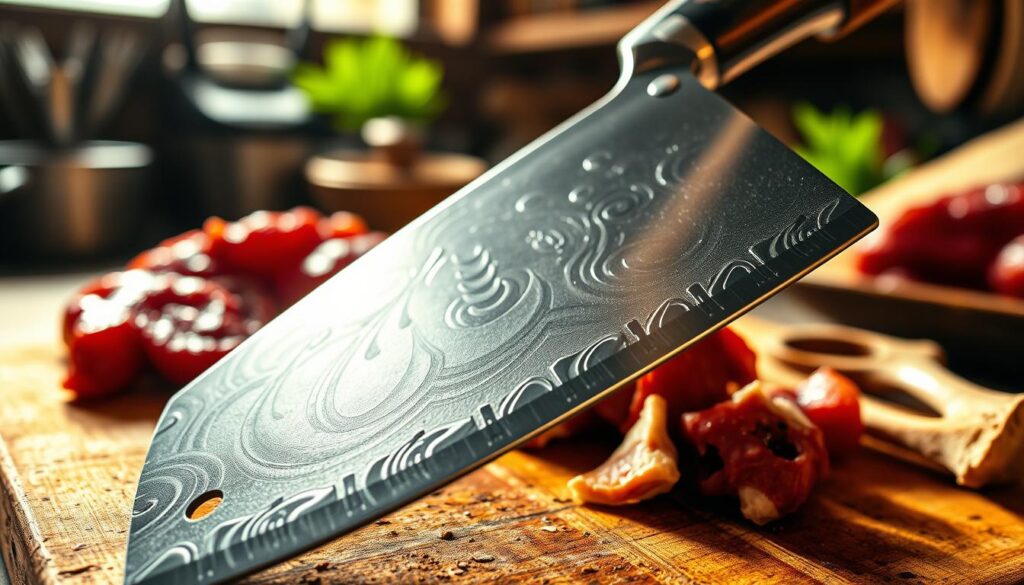
We use a paper sharpness test—cutting printer paper strips—to score initial edge feel. A very fine edge can chip when it hits bone. A dull edge tears meat and forces you to use more force, which feels unsafe.
Real cutting tests with chicken and dense produce
Each blade broke down bone-in chicken breasts and then sliced sweet potatoes and butternut squash. This shows whether the blade wedges through dense flesh or gives clean slices when you need control.
Usability scoring: balance, grip, and control
Weight balance affects fatigue; a head-heavy blade can do the work, while a lighter tool gives more finesse. We graded grip comfort when wet and how the handle helped you control cuts around joints.
Clean-up and maintenance checks
We hand-washed and dried every tool to look for staining or early rust. Handles with crevices or multi-piece construction scored lower because trapped moisture raises rust risk and shortens service life.
- Paper sharpness test
- Bone-in chicken and squash trials
- Balance, grip, and handle comfort scoring
- Hand-wash and rust inspections
How to read our scores: we show both power and control so you can pick a heavier tool if you want force, or a lighter model if you need precision around joints.
Best cleaver for bones: top picks for home cooks in the United States
Select a compact list of tested models so you can shop by how often you handle bone-in chicken.
Quick shortlist
- Tojiro Fuji Chinese Cleaver — mixed-task, ~7″ stainless steel blade
- Lamson Heavy Duty Cleaver — meat cleaver, 7.25″ high-carbon stainless
- Henckels Classic Cleaver — budget, 6″ high-carbon stainless
- CCK Stainless Steel Chinese Cleaver — premium prep, 8.25″ high-carbon
Who each pick fits
Tojiro Fuji works if you want one tool that slices vegetables and handles occasional poultry without fuss. The rosewood handle feels at home in a busy kitchen.
Lamson Heavy Duty is the pick when you break down chicken often. Its thinner profile slices meat cleanly before you finish through small joints.
Henckels Classic is a lower-price option that still chops pieces safely. It is easier to control and light enough for home cooks trying occasional bone work.
CCK Stainless shines at prep—razor-sharp and lightweight—but skip it if you plan heavy bone chopping.
Practical filters: check blade length, steel type, handle material, and overall weight before you buy.
Why weight is the make-or-break factor for heavy tasks
How much mass sits behind the edge changes the tool’s behavior. Choose a weight that helps the blade do the work so you do less forced pushing. Proper mass reduces strain and lowers the chance of slipping when you hit cartilage or small bone pieces.
How heft creates momentum so the blade does more work
Heft produces momentum. A heavier head converts a short, hammer-like motion into force that carries through joints. You get clean single blows rather than several weaker strikes that tax your grip.
Lighter cleavers vs heavier cleavers and what feels safer
Lighter tools give nimbleness and accuracy around seams. They help when you trim meat and want fine control.
Heavier cleavers mean fewer repeat hits. They deliver force with each drop and often feel steadier for rough chopping tasks.
Match weight to your board, space, and strength
Use a stable cutting board and allow vertical clearance for a heavy swing. If you have smaller hands or low grip strength, pick a slightly lighter weight with a blade-forward balance so the tool still does most of the work.
- Tip: favor balance that tilts toward the blade, not a handle-heavy feel.
- Tip: test the weight in person if possible to find the right way it pairs with your motion.
Blade design essentials for chopping bone without damaging your edge
When you plan to hit bone, the profile and grind of the blade decide whether the cut ends clean or the edge chips.
Thick spine and wedge shape: splitting power
A thicker spine and a wedge-shaped blade push force into the target so you split small joints and poultry backs more easily.
That mass behind the edge helps the blades drive through cartilage and light bone with fewer strikes.
How thickness changes performance
Thicker blades resist damage and wedge dense foods apart. They tolerate impact but can feel blunt when you want fine slices.
Thinner blades slice meat and vegetables cleanly but risk chipping when you cut bone. Match thickness to the jobs you do most.
Edge-geometry tradeoffs: chipping, rolling, denting
An ultra-fine edge can chip on hard contact. A softer, rounded grind may roll or dent instead of breaking, which is easier to fix.
Understanding these tradeoffs shows why some razor edges fail on bone while sturdier grinds survive.
Straight edge vs curved edge and vertical cuts
Cleavers favor a straighter edge because it supports repeatable, up-and-down cuts. Curved profiles can fight that motion and keep you from using the full length of the blade.
- Look for a thick spine and sturdy grind in photos and specs.
- A practical edge should not be sharpened like a delicate slicer.
- Good design leads to fewer stuck blades, cleaner cuts, and less risk of a damaged edge after you cut bone.
Steel and construction choices that hold up to bone and daily kitchen use
Choose the right steel and construction so your blade survives daily use and occasional heavy hits.
Stainless, carbon, and high-carbon stainless explained
Stainless steel is easy to care for and resists rust. It is forgiving if you miss a spot while drying and often bends before it breaks.
Carbon steel sharpens fast and can reach a keener edge. It will develop a patina and needs careful drying to avoid rust.
High-carbon stainless tries to balance both worlds. Expect better edge retention than base stainless and fewer corrosion headaches than pure carbon.
Why full tang matters when you apply force
A full tang construction runs the metal through the handle. That adds strength and steadier balance when you use force to cut joints.
Handle stability reduces wobble and gives you confidence on heavy cuts.
Durability realities and maintenance
Softer steels can need more frequent sharpening but are less brittle. Harder steels hold an edge longer but can chip if pushed too hard.
- Pick a steel that matches your maintenance habits.
- Look for solid construction and tight handle joins to boost durability.
- Remember: routine care keeps any knife working well over time.
Handle and grip: how to stay secure when your hands are wet or greasy
A secure handle can make the difference between a safe chop and a dangerous slip. When you use a heavy blade, grip security is a primary safety feature, not a cosmetic detail.
Wooden handle gives a warm, comfortable feel and good traction when dry. It needs careful drying and can stain if left wet. A wooden handle rewards routine care but may not suit rushed cleanups.
Plastic, resin, and all-stainless options
Textured plastic or resin handles are durable and easy to wash. All-stainless, single-piece construction has no crevices and dries fastest. Both options reduce trapped moisture and lower long-term maintenance.
Ergonomics for small hands and long prep sessions
If you have small hands, pick a shorter handle with secure texture so the blade feels controllable. For long sessions, look for palm swell and balance that reduce wrist fatigue. Edge alignment and weight distribution change how your forearm feels after repeated chops.
- Avoid cracked material or gaps near rivets that trap food and water.
- Choose handle construction that matches your kitchen habits—easy-care if you rush cleaning.
- Test grip and balance in hand when possible to find the right way it pairs with your motion.
Best for “do-it-all” prep with occasional bone-in poultry: Tojiro Fuji Chinese Cleaver
If you want one versatile tool that handles everyday prep and the occasional tough chicken piece, this Tojiro model is worth a close look.
Why it works as an all-purpose option: the roughly 7″ blade and sharp factory edge let you slice vegetables like a chef knife and still deliver confident chops on bone-in poultry.
Stainless-steel advantage and real performance
The softer stainless construction is more forgiving than very hard, thin Chinese-style blades. That means less chance of cracking if you nick small bones, though you’ll sharpen the edge more often.
In tests it made clean cucumber and vegetable cuts, sliced tough sweet potatoes without tearing, and was the only thin Chinese-style model that handled a bone-in chicken breast credibly.
Handling, limits, and ownership expectations
The cleaver is front-heavy and lacks a full tang; you can use that forward weight for push cuts and controlled chopping. It is not built for thick thigh or large pork and beef bones—use a true meat cleaver or saw in those cases.
- Pros: versatile, sharp out of the box, forgiving on light bone contact.
- Cons: softer steel needs more sharpening; handle is not full tang.
Best dedicated meat cleaver for breaking down chicken, joints, and small bones: Lamson Heavy Duty Cleaver
For regular poultry and joint work, the Lamson Heavy Duty stands out. It has a 7.25″ high-carbon stainless blade and a walnut handle built for repeat use.
Why a thinner meat-cleaver blade can cut meat cleanly before you finish the bone cut
The thinner profile slices through meat easily so you create a clean channel to the joint. That means you do not need wild hacking to reach the bone.
Once the meat is cleared, you can lean a controlled stroke into the spine to finish the cut through cartilage and small bones. This method reduces effort and preserves the edge.
Where it’s still a unitasker and when you’ll reach for a chef knife instead
This tool excels at chicken breakdown and joint work. It is less versatile with large produce; dense squash may jam or wedge rather than split cleanly.
For general prep and slicing vegetables, you will be faster and more precise with a chef knife. If you handle bone-in meat often, this purpose-built tool feels safer and more efficient than forcing a thin knife into heavy chopping tasks.
- Good fit: poultry, joints, small bones, repeat meat cuts.
- Not ideal: large squash, delicate veg, multi-task prep.
- Practice tip: use short downstrokes, then apply light pressure on the spine to finish.
Best budget pick for bone-in chicken pieces: Henckels Classic Cleaver
If you only break down chicken a few times each month, the Henckels Classic is a sensible, low-cost choice. Its 6″ high-carbon stainless meat cleaver blade has a smaller profile that helps you control each cut.
The blade is intentionally a bit blunt to resist chipping when it meets small bones. That makes it durable during routine poultry work but not ideal for delicate slicing of vegetables.
Its plastic handle cleans easily and lowers maintenance. Still, check the joint where the handle meets the blade for gaps that can trap moisture.
- Who it fits: home cooks who want reliable chicken breakdown at a modest price.
- Why it works: manageable weight and a compact blade give safer control on backs, breast splitting, and joint separation.
- Expectations: solid poultry performance without boutique materials; not a tool for fine cutting tasks.
Other top-rated cleavers worth considering for your kitchen
If you need a different balance of weight, care, or handling, these reputable alternatives cover common gaps in fit and function.
Zwilling Meat Cleaver: nimble, lighter feel and a grippy handle
The Zwilling model weighs about 13.76 oz, so it gives a lighter swing and easier maneuvering around joints and sinew.
Why choose it: the lighter weight helps you work with precision and the textured handle stays secure when things get messy.
Victorinox Wood Kitchen Cleaver: traditional heft and pounding cutlets
At roughly 20.7 oz, the Victorinox brings momentum that turns short strikes into clean cuts with less force.
Bonus: the broad blade doubles as a pounder for cutlets; note the wooden handle needs extra care over time.
Global Classic Cleaver: single-piece stainless construction and broader versatility
Global’s all-stainless, one-piece body (~16 oz) dries fast and resists trapped moisture. That makes it easier to maintain and useful beyond butchery into prep work.
Upgrade lens: paying a higher price can buy better fit and finish, but design matters more than brand. Compare handle comfort, weight distribution, and blade profile to find the cleaver that matches your tasks and budget.
- Compare: handle comfort
- Compare: weight and balance
- Compare: blade profile and ease of cleaning
Cleavers to skip for bone work and the red flags to watch for
Avoid impulse buys by spotting design choices that fail in real kitchen tasks. Many models look like a meat tool but are not built to hit bone. Learn the signs so you do not damage the edge on the first chop.
Thin, ultra-hard Chinese blades that chip
Very thin blade stock and marketing that brags about razor sharpness are common traps. Those cleavers can slice vegetables beautifully but will chip if you strike small bones or cartilage.
What “too big,” “too blunt,” and “hard to clean” look like
If a cleaver feels oversized on a standard cutting board, it is likely too big for home use. You will lose accuracy when aiming at a joint line.
Edges that are deliberately dull survive impact but tear meat. A too blunt tool forces heavier swings and reduces control.
Check photos for deep seams or decorative gaps where the handle meets the steel. These join points trap moisture and make a model hard to clean. That raises corrosion risk over time.
- Red flags in listings: very thin stock, warnings to “avoid bone,” or steel described only as ultra-hard.
- Real-kitchen signs: oversized width on a small board, blunt factory edge, or visible handle seams.
- Decision tip: if a product is hard to control, hard to clean, or not explicitly rated for bone, skip it and save your drawer space.
How to use, clean, and sharpen your cleaver for safer bone cutting
Keep a short routine before and after each session so your work is safe and your tools last. A clear setup and one steady motion make heavy cutting predictable.
Safe technique and finger placement
Set a stable surface and square the target. Raise the cleaver like a small hammer and drop straight down in one controlled stroke. Do not twist the blade mid-strike.
Keep your guiding hand well away from the line of impact. Reposition the meat between strikes rather than reaching toward the blade. If the knife slips, do not try to catch it.
Hand-washing, drying, and preventing rust
Hand-wash immediately after use. Rinse, then dry with a soft cloth right at the junction of blade and handle to stop trapped moisture that causes rust.
Use a bottle brush to clean tight spots without putting fingertips near the edge. Store the tool dry and separate from other knives in a block or on a magnetic strip.
Sharpening and honing options
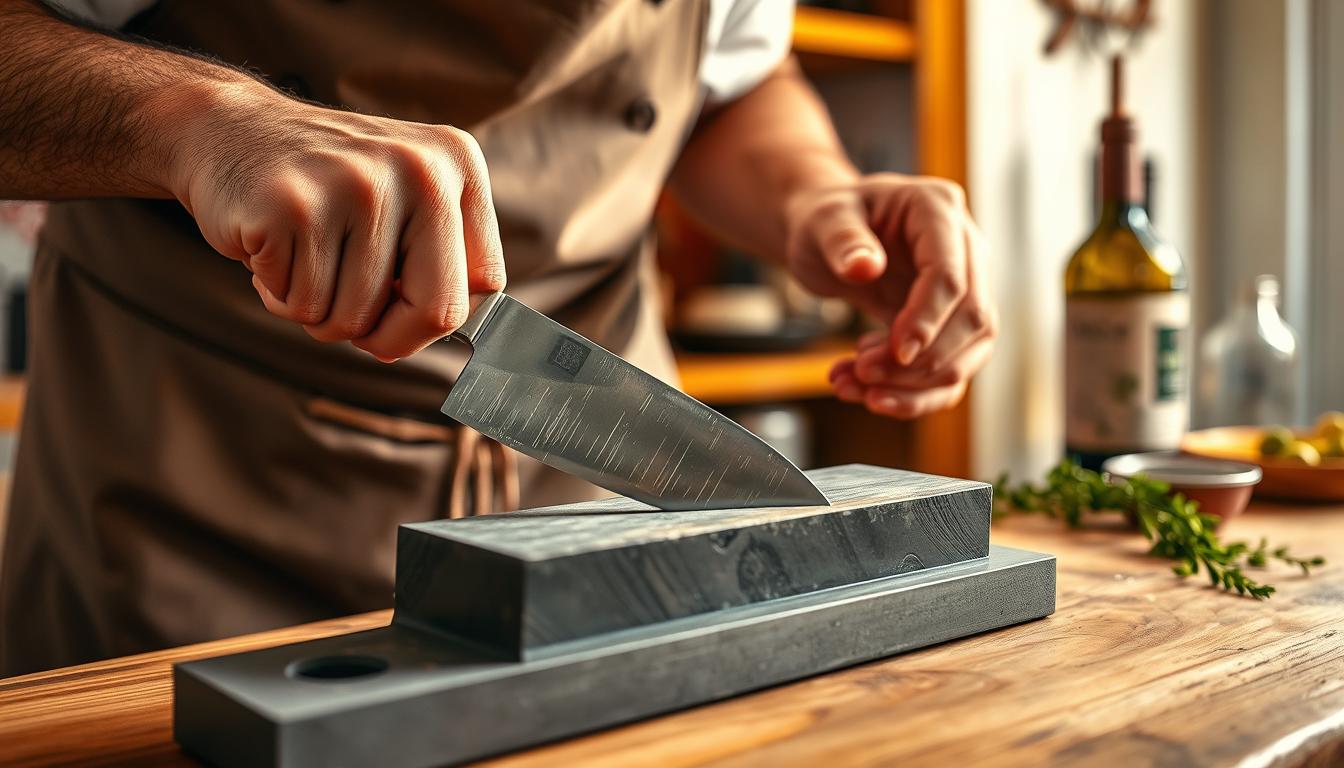
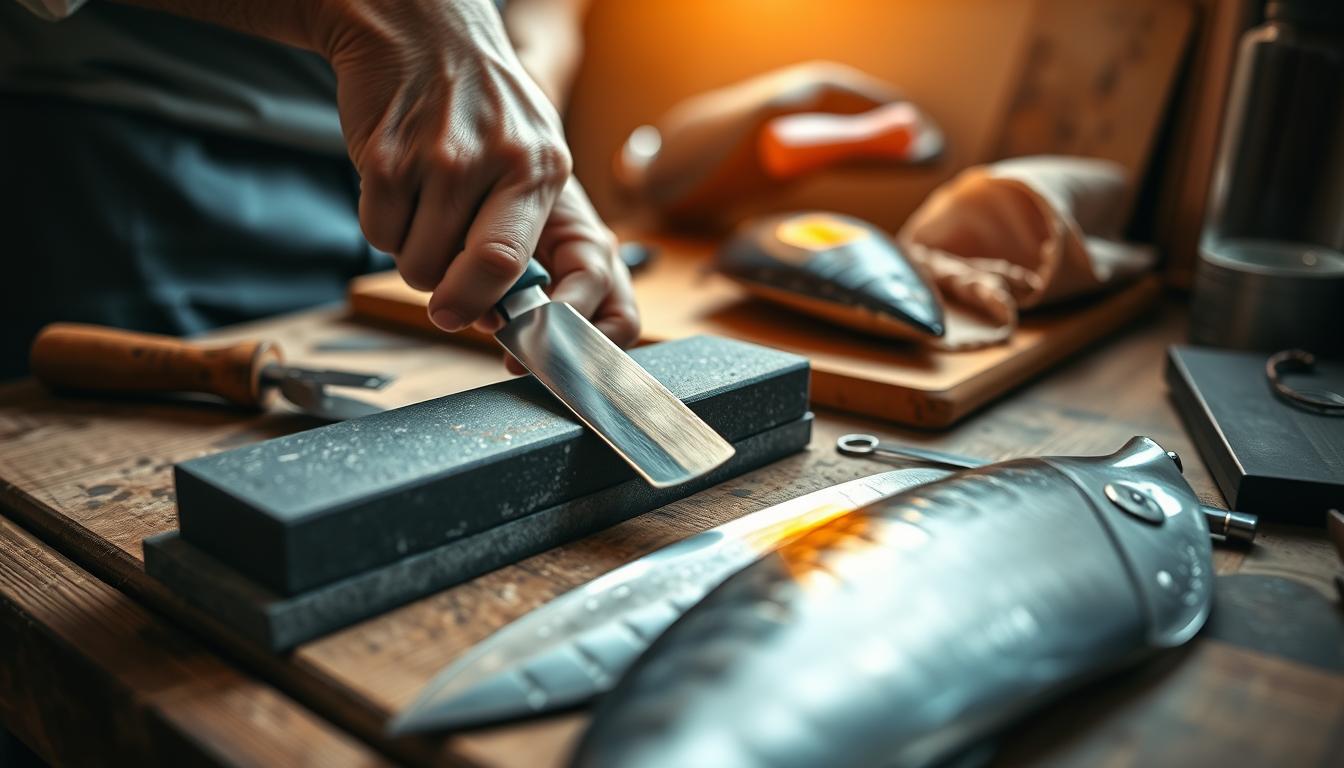
Hone before each session to keep the edge aligned. Use a whetstone when the blade needs a true reprofile; work at steady angles and finish with light passes.
- Hone often; sharpen with a whetstone as needed.
- Avoid some electric sharpeners that won’t fit wide blades.
- Send the blade to a pro if you see chips or if you prefer not to learn angles.
Conclusion
Match your most common tasks to a single reliable cleaver, then confirm its weight, balance, and handle feel before you buy. Try it in your grip and imagine the motion you use to chop and trim.
Weight and balance decide how safe and effective the tool feels. A head-forward blade makes short strikes do more work. Durable edge geometry matters more than a razor finish when you may contact bone.
For very thick beef or pork bones, choose a saw or specialty tool rather than pushing a kitchen cleaver beyond its limits. A cleaver handles poultry and many dense vegetables with the right technique.
Clean and dry the handle junction after each use, hone regularly, and sharpen when needed. With steady care, your cleaver will stay dependable and safe through routine tasks.