
5 Japanese Knife Brands That Offer Great Performance for Under $100
You want a reliable chef tool that performs well without breaking the bank. In the U.S., many solid options exist under $100, but the final price often depends on the model, retailer, and timing of sales.
This guide focuses on performance-per-dollar, not luxury finishes. You’ll get a quick look at Tojiro, Global, Kanetsune, Enso, and Shun and how specific models and discounts can place a japanese knife under the $100 mark.
If you cook at home and want to replace dull big-box blades, this is for you. Expect a usable chef knife that feels sharp, stays controllable on the board, and offers decent quality for the money.
Throughout the article you’ll weigh steel, edge retention, blade geometry, handle comfort, maintenance needs, and warranty cues. You’ll also learn how to spot real deals and avoid mistakes that make budget knives feel cheap.
Why Japanese knives under $100 are worth buying right now
Right now, the under-$100 tier hits a sweet spot: good steel, reliable edges, and low fuss. That makes it easy for you to step up from dull grocery-store blades without adding upkeep or risk of chips.
What “you get what you pay for” means for kitchen blades
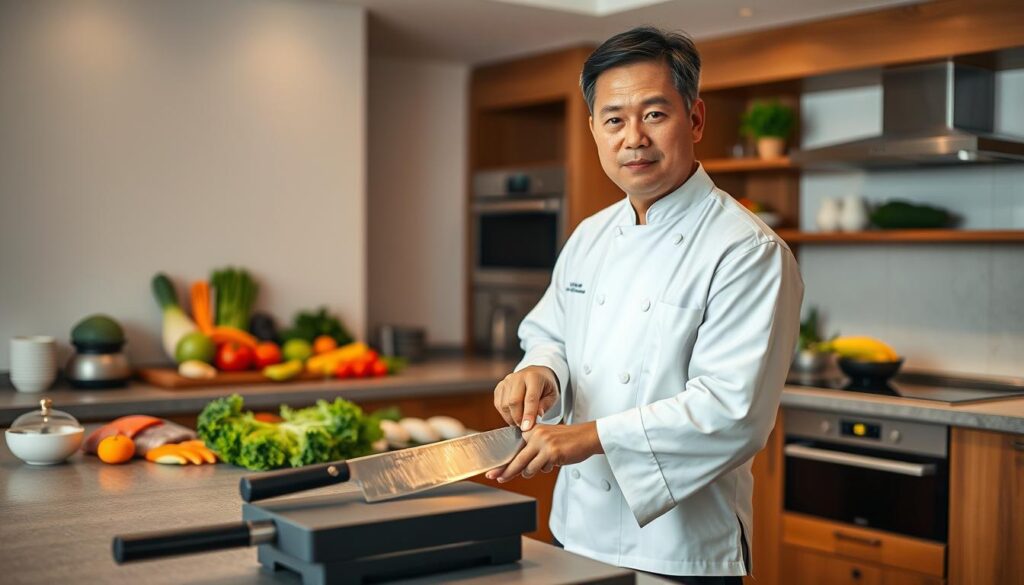
You get better steel, tighter quality control, and smarter blade geometry as price rises—not just a logo. Higher cost often buys consistent grinds and heat treatment. That means fewer surprises and better edge life.
Why one versatile chef knife is the best first buy
Most japanese chef knives are specialized, but at home you usually need one reliable chef knife for 80–90% of tasks. A durable, easy-to-sharpen blade saves you time and hassle compared with a brittle, high-hardness specialty tool.
- Value signals: steel type, edge grind, handle fit.
- Real-life payoff: smoother cuts, less re-sharpening, better food release.
- Opportunity cost: pay a bit more now to avoid extra work later.
Later sections will show how to read those value signals so you can choose the right japanese kitchen knife without the hype.
Affordable Japanese knives: what to look for before you buy
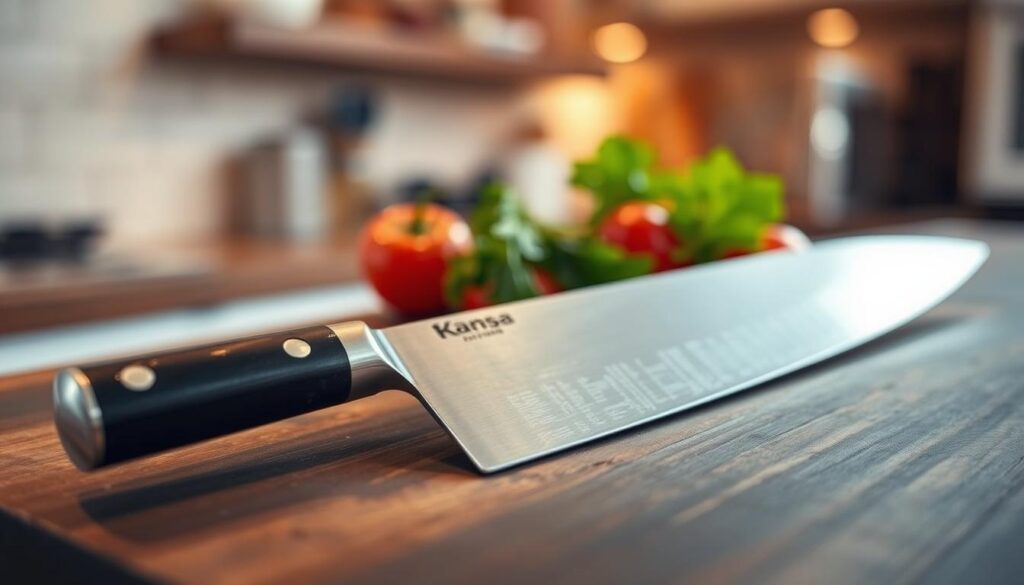
Start by checking a knife’s core specs so you can compare models without marketing noise. Focus on metal, grind, and handle comfort to find the best value for everyday use.
Steel choice for your budget
Stainless steel is the practical option for home cooks. It resists rust and only needs hand-wash and quick drying to stay serviceable.
Edge retention vs easy sharpening
VG10-style steel often balances edge retention and sharpness well. Expect good life between hones, but remember harder edges can chip if misused.
Single bevel vs double bevel
Double-bevel blades are easier to control and easier to sharpen for most people. Single-bevel tools reward skill but demand specialized sharpening technique.
Blade geometry and handles
Thin blades slice with less drag and improve food release. Hammered or textured finishes reduce sticking. For handles, choose the shape that fits your grip—Western riveted or Japanese D/oval profiles. Prioritize comfort over cosmetic finish.
- Quick checklist: steel type, hardness, edge angle, grind style.
- Pick a predictable steel and a comfortable handle for the best under-$100 option.
Pick the right knife style for how you cook at home
Pick the knife shape that matches how you cook most nights; it saves money and drawer clutter. Many blades are specialized, but one good all-purpose tool covers most tasks in a home kitchen.
Gyuto and chef profiles for all-purpose prep
The gyuto (a Japanese chef knife profile) is a true all-rounder. It handles proteins, herbs, onions, and most board work with a smooth rocking motion.
Santoku for push cuts and everyday vegetables
If you mostly prep vegetables and like push cuts, a santoku offers control with its shorter, flatter blade. It feels steady for quick, repetitive slices.
Nakiri for fast, clean vegetable slicing
Choose a nakiri when you want rapid, straight-down veggie cuts and extra knuckle clearance. It excels at clean slices but is less suited for rocking or heavy protein work.
Paring and utility for small, precise work
Keep a paring or a utility knife as your second tool for peeling, trimming, and tiny jobs where a full-size chef knife is awkward.
- Build your kit: start with one great chef knife, then add a paring or utility once you know your cooking habits.
Care and maintenance that keeps budget blades performing like premium
A simple routine will keep your kitchen knife cutting like new for years. Follow three core habits and you protect edge life, prevent rust spots, and keep performance high without extra fuss.
Hand-wash, dry, store
Hand-wash and dry immediately. Even stainless steel can spot if left wet, especially near the heel and edge. Wipe the blade and dry the handle before storing.
Store knives in a block, on a magnetic strip, or with an edge guard. This prevents dulling and accidental nicks.
Honing vs sharpening
Honing realigns the edge; sharpening removes metal to recreate it. Hone often with a steel or ceramic rod when the knife feels dull to touch.
Sharpen only when the blade starts sliding on tomato skins or crushing herbs instead of slicing. That tells you the metal needs reshaping.
How to avoid chips
Thin, high-performance blades are great for precision cutting but can chip on frozen or very hard food. Don’t use these blades on bones, frozen blocks, or for twisting actions.
Good habits add value: regular care raises the durability of budget knives over time and keeps them performing closer to premium tools.
Japanese knife brand signals that matter more than hype
When shopping online, a few clear details separate a useful kitchen tool from a dud. Check simple, verifiable signals so your purchase matches real-world performance.
Made-in markers and what they usually mean
Look for a clear Made in label and a named region like Seki or Tsubame-Sanjo. That often correlates with more consistent grinds, tighter fit and finish, and clearer steel documentation.
Forged vs stamped: durability and price trade-offs
Forged blades often cost more and can feel heftier. Stamped blades are lighter and can still be excellent when the brand controls heat treat and QA.
Durability depends on heat treatment as much as profile. A well-made stamped knife can outlast a poorly forged one at a higher price.
Hardness and feel: how edge behavior affects daily use
Softer stainless steels hone and strop faster, so you get quick touch-ups. Harder VG-10-style steels hold an edge longer but can need more careful sharpening.
- Check country of origin, full steel spec, and consistent specs across listings.
- Choose predictable sharpening behavior and toughness for your first respected japanese knife option.
- Favor a known brand over flashy finishes when you want value and a safe bet.
Japanese knife brands that deliver the best value under $100
Not all entry-level blades are equal—some brands give pro-level feel for far less than you might think. Below are five makers you can trust for clear value on a budget chef knife.
Tojiro
Tojiro focuses on performance-first builds. Expect a VG10-style cutting core in clad construction and a hybrid design that pairs a thin steel core with familiar Western handles. That mix gives good edge retention and predictable sharpening.
Global
Global uses Cromova 18 stainless steel in stamped, high QA blades. They feel nimble and well balanced. Dry them after washing to avoid spotting and they stay reliable.
Kanetsune
Kanetsune is the workhorse pick. Their budget lines use slightly softer steel that hones quickly and resists chips. If you want toughness and low fuss, this brand delivers durability at a fair price.
Enso
Enso often shows up discounted. Thin grinds and a very sharp blade (often near 12° per side) give excellent sharpness. Look for canvas Micarta handle material for a premium feel when prices dip.
Shun
Shun can be pricey, but watch for deals on shun classic pieces. The shun classic line uses VG10 cores and Damascus cladding; shun sora pairs VG10 with cost-saving cladding to hit budget thresholds without losing edge performance.
- Tip: Under-$100 availability depends on timing, retailer, and whether you buy a single knife or a set.
How to actually find under-$100 pricing in the United States
Finding the real under-$100 price for a quality blade takes timing and a bit of patience. You’re usually shopping the calendar more than the brand, especially with Shun and Enso models that dip below $100 during promos.
Best times to buy
Watch holiday weekends, end-of-season clearances, and flash deals. Discontinued finishes or packaging changes often trigger steep markdowns on the same blade.
Single knife vs starter set
A single chef knife is the smartest first buy for most cooks. A small set helps only if you truly need a paring or utility plus storage.
Sets become wasted spend when they include filler pieces or force lower steel to hit a price target.
What to check on the product page
- Steel type: confirms long-term edge behavior.
- Handle material: affects grip and durability.
- Country of origin and finish: clear labels reduce risk.
- Edge angle claims and warranty cues: signal quality control.
Compare the same model across multiple listings and check the product page details to spot real value and avoid confusion. A little checking goes a long way toward hitting the target price without losing performance.
Common mistakes that make affordable knives feel “cheap”
Small choices at checkout determine whether a budget blade feels like a keeper or a letdown. Avoid buying for looks alone; focus on real-world use and upkeep.
High-maintenance carbon steel
Carbon steel can hold excellent edge sharpness but needs frequent oiling and careful drying to avoid rust. If you want low upkeep, stainless is the safer pick.
Single-bevel tools before you’re ready
Single-bevel blades reward skill but demand practice and a special sharpening routine. Buying one early can leave you frustrated with edge work and inconsistent cuts.
Expectations around Damascus and looks
At entry prices, a Damascus finish often means visual appeal comes with trade-offs in warranty, steel transparency, or true performance. Don’t buy looks over documented quality.
Ignoring handles and grip
Poor ergonomics make any blade feel cheap. Test the handle shape for your hand. A comfortable grip reduces fatigue and improves control.
- Corrective strategy: Start with stainless, double-bevel, comfortable-handled knife. Upgrade to specialty or premium styles once you know what fits your cooking and maintenance habits.
Conclusion
Focus on one versatile blade and you’ll get more consistent results with less fuss. Pick a stainless, double-bevel chef knife with a comfortable handle and let your cooking habits guide future upgrades.
Stick to trusted brands—Tojiro, Global, Kanetsune, Enso, and Shun—because real value comes from steel, geometry, and ergonomics, not flashy looks.
To land under $100, watch sales, compare listings, and avoid overpaying for cosmetic finishes. Verify steel, handle material, and warranty on the product page before checkout.
If a listing won’t load correctly, a page blocked extension can interfere—try disabling extensions and reload so you can confirm specs and return policies.
Choose your top brand match, confirm the steel and handle, then maintain the edge with regular honing and occasional sharpening to keep your knife performing in your home kitchen.