
The 10 Best Entry-Level Professional Chef Knives for Home Cooks
Quick guide: This intro sets clear expectations about what a true entry-level professional tool should do in your kitchen. Think of an 8-inch blade as the single, most versatile starting length — it handles veg, sandwiches, and basic proteins without feeling clumsy on a standard US cutting board.
You’ll see 10 picks that span ultra-budget to a more luxurious step-up. Names you’ll recognize include Victorinox Fibrox Pro and Mercer Millennia at lower prices, plus Shun Classic as a higher-tier option. The price range we reference is roughly $45–$250.
This guide shows how to match budget, hand size, and cutting style to the right blade and handle. Expect clear notes on steel type, edge retention, sharpening needs, weight and balance, blade height, and grip when your hands are wet or greasy.
Bottom line: you’re buying performance and durability first, not showroom looks. Many test-kitchen favorites under $75 deliver performance that is more than enough for most home cooks.
What “Entry-Level Professional” Really Means for a Home Cook in the US
Think of this tier as the sweet spot where real performance meets sensible price. You’re buying a tool that cuts efficiently, feels stable in your hand, and holds up to daily use—not a boutique showpiece.
In the $45–$250 window you’ll see mostly stainless steel or high-carbon stainless blades. Under about $75 you can find no-frills workhorses. Above that, you often pay for harder alloys, nicer finishing, and premium handles like wood.
The practical differences matter: Western-style blades tend to be heavier with thicker spines. That extra mass gives gravity assist on squash, potatoes, and melons and helps when you’re still building confidence.
By contrast, lighter Japanese-style blades favor speed and precision and reduce fatigue during long prep sessions. They can chip more easily and need gentler technique.
- Normal compromises: simpler aesthetics, basic handle materials, and less refined factory edges.
- Real use: these knives trade showroom looks for easy maintenance and reliable edge life you can restore with regular honing.
- Value over years: a well-chosen model in this tier can last if you avoid the usual mistakes (dishwasher, leaving wet, cutting bone with thin blades).
How We Evaluated and Tested These Chef Knives
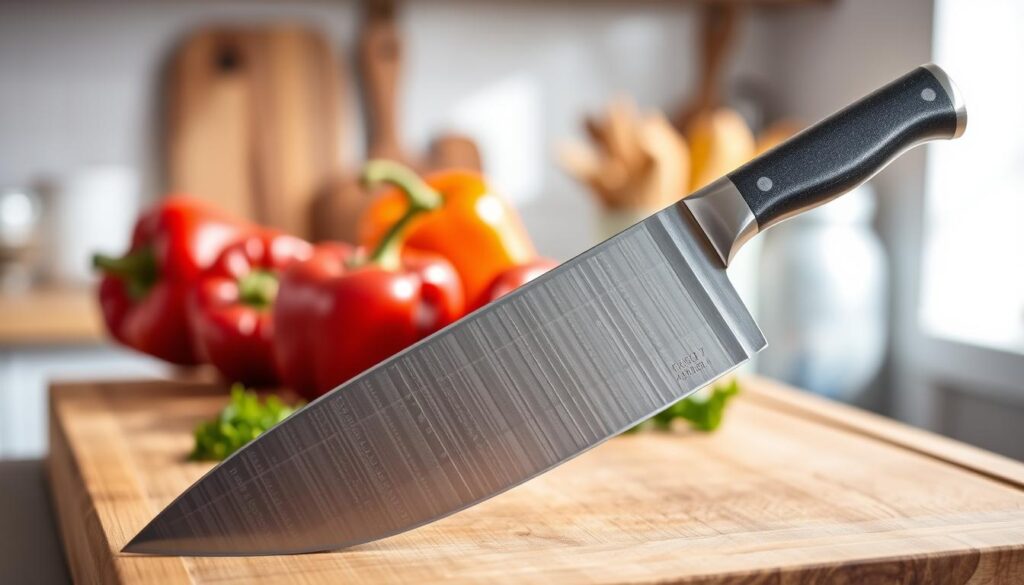
We put each blade through a repeatable kitchen routine so you can trust the results. Our testing focused on everyday tasks you’ll do at home and on signals that reveal long-term value.
Real-kitchen cutting drills
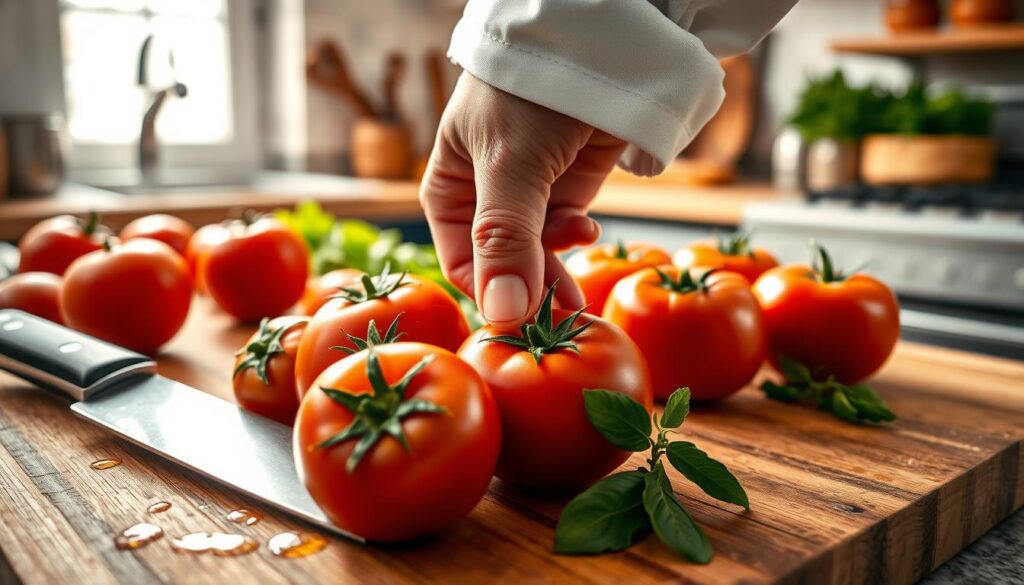
We sliced ripe tomatoes to check clean skin breaks and neat flesh cuts. We diced onions and minced garlic and herbs without bruising the food.
Dense produce and squash
Butternut squash and sweet potato work exposes wedging and sticking. These tests show whether a blade feels powerful or wobbly under pressure.
Protein and all-day use
Breaking down a whole chicken tests control around joints, slippery skin, and edge stability on meat. We also measured fatigue over long prep time and noted how a handle fits different hands.
- Food release: dimples, finish, and geometry to reduce sticking.
- Durability checks: chipping, staining, and rust signals.
- Sharpness: consistent edges that reduce force and improve safety.
Use these same quick checks—tomato slices and onion dice—as a simple way to test a factory edge when you buy. The results point straight to what matters in real kitchen work.
Best chef knife for beginners: What to Look For Before You Buy
Start by narrowing the choices with a short checklist that highlights a knife’s length, balance, and grip. This helps you compare models without getting lost in specs.
Why an 8-inch blade works so well
The 8-inch chef is long enough to handle melons, cabbage, and squash, yet compact enough for onions and herbs on a home board. It hits a sweet spot of reach and control for most cooks.
Edge and factory sharpness
Sharpness comes from edge angle and the initial factory grind. Look for edges near 13–16 degrees and a smooth, even factory finish that slices a tomato cleanly.
Shape, height, spine, and handle
A gently curved blade supports rocking cuts while a taller heel gives knuckle clearance. A rounded spine makes the pinch grip more comfortable during long prep.
Starter checklist:
- Length: 8-inch chef fits most tasks
- Edge: smooth factory sharpness, 13–16° angle
- Blade height & spine: taller heel and rounded spine
- Handle: textured or contoured for wet hands
Steel, Edge Retention, and Maintenance: Picking the Right Blade Material
The steel behind a blade determines how long it stays sharp and how much care it needs. Your weekly cooking routine should guide this choice more than shiny specs.
Stainless steel is the low-fuss option. It resists stains and rust, so it needs less attention when you use it every day.
Carbon steel takes an edge well and sharpens easily, but it can patina or rust if you leave it wet. Expect to dry and oil it more often.
High-carbon stainless steel aims for a middle ground: better edge retention than basic stainless and easier care than pure carbon.
Hardness, chipping, and sharpening over time
Harder alloys hold an edge longer but can chip if you twist or force the blade through bone or frozen food. Work on wood or plastic boards to protect the edge.
- Daily use: pick stainless steel if low maintenance matters most.
- Edge life: harder metal lasts longer but needs careful handling.
- Sharpening: choose a material that responds to a whetstone or a quality sharpener so restoring sharpness is straightforward.
Basic care rules apply: hand-wash, dry promptly, store safely, hone often, and sharpen occasionally. The right material is the one you will actually maintain over years.
Japanese Knives vs Western Chef Knives: Which Style Fits Your Cutting Tasks?
Choosing between Japanese and Western styles changes how your blade feels and performs in everyday prep. Match the tool to the jobs you do most and to the way you handle blades in the kitchen.
Western (German-style)
Thicker, tougher blades for heavy prep
Western blades are heavier with a thicker spine. That extra weight helps with pumpkins, melons, and bulk meal prep.
They resist chipping and forgive a bit of rough use. If you twist or push through dense meat or root vegetables, this side is more durable.
Japanese-style
Thinner, sharper edges for precision and speed
Japanese knives are lighter and slice with less resistance. They excel at clean tomato cuts, thin cucumber ribbons, and delicate herb work.
Harder steels hold a fine edge but can chip if you abuse them or cut frozen bone.
- Simple rule: pick Western if you want durability; pick Japanese if you value precision.
- Handle and ergonomics: some hybrid models pair thin blades with a Western handle — a useful compromise.
- If you’re rough on tools: lean toward heavier, stainless blades and prioritize control over ultra-thin geometry.
Best Overall Value Under $75: Victorinox Swiss Army Fibrox Pro 8-Inch Chef’s Knife
If you want one go-to workhorse that won’t stress your wallet, this model is a smart place to start. The Victorinox Fibrox Pro 8-inch is a long-running test-kitchen favorite because it pairs dependable cutting performance with a simple, durable build.
Why it’s the default “start here” pick: you get reliable edge retention, comfortable balance, and a grippy handle at a friendly price. That means less fuss while you learn proper technique and more confidence on routine tasks.
What you’ll notice in use
The blade geometry is forgiving, so slicing onions, tomatoes, and general chopping feels efficient. The weight and profile give steady control without being heavy in long sessions.
Comfort and maintenance
- Handle: textured Fibrox stays secure when hands are damp.
- Sharpness: arrives sharp and is easy to sharpen over time.
- Use cases: everyday vegetables, sandwich prep, and basic chicken work.
Drawback: utilitarian looks and a somewhat wider blade can feel less nimble for delicate detail work. If you want a durable, everyday tool at a modest price, this is for you.
Best Ultra-Budget Pick: Mercer Culinary Millennia 8-Inch Chef’s Knife
Need a working blade on a tight budget? The Mercer Culinary Millennia often shows up under $30 and gives solid everyday performance without a big outlay.
Who should buy it when price is the priority
Who it fits
If you live in a student apartment, want a reliable backup, or need a tool you won’t stress over, this is a practical option. You get usable slicing and chopping for common home tasks, though you won’t see premium finish or materials.
Handle texture considerations for comfort and control
Handle and feel
The highly textured plastic handle improves control when your hands are wet and helps safe use. But some users find the texture rough during long sessions. Hold it in a pinch grip and do a few rocking motions to check comfort.
- Realistic expectations: good blade geometry at a low price, modest finish.
- Who benefits: students, first apartments, backup tools.
- Safety tip: if the handle creates hot spots in your palm or feels unstable, step up in price for better grip and control.
Best Budget Giftable Knife: Imarku Japanese Chef’s Knife (8-Inch)
This 8-inch Imarku model often arrives ready-wrapped, making it an easy gift choice when you want solid performance without a big spend. The presentation works well for a new home cook or a first-kitchen upgrade.
Why the balance and high-carbon stainless steel impress:
- The high-carbon stainless steel blade keeps a working edge longer than basic stainless while staying easier to care for than reactive carbon steel.
- Weight and balance give you a steady feel in everyday prep, which helps control and reduces fatigue during longer sessions.
- The wood-effect or wood-accent handle is built to feel sturdy and durable in regular kitchen use.
What you should know about sharpening and storage:
The factory edge is respectable, but occasional sharpening is normal. Plan for a blade guard, block, or magnetic strip since a sheath is usually not included. Proper storage protects the edge and keeps your hands safe.
Best All-Around Japanese-Style Upgrade: Miyabi Koh 8-Inch Chef’s Knife
If precision and low fatigue matter to your prep, the Miyabi Koh is a clear upgrade. It pairs a lightweight feel with a reassuring, substantial balance that makes long sessions easier on your hands.
Lightweight feel with strong edge retention
The blade stays keen after multiple meals, so you won’t need to sharpen as often. That edge longevity saves you time and keeps performance steady across repeated use.
Great for precision cuts
This knife excels at thin cucumber ribbons, delicate herbs, and clean tomato slices. Its geometry supports true precision and helps food release cleanly without bruising.
Fit and care considerations
- Balance: the tool sits neutral in your grip so the tip and heel move without fighting weight.
- Hands: the slightly smaller profile often suits cooks with smaller hands and improves control.
- Care: treat it like a precision tool—use a wood or plastic board and avoid cutting bone or frozen food.
Price note: it’s an investment. If you cook often at home, this model can feel like a “forever” blade that rewards regular use and proper care.
Best Pro-Style Workhorse: MAC Professional Series 8-Inch Chef’s Knife with Dimples
The MAC Professional 8-inch brings a pro-level feel to everyday prep. Its thin ~2.5 mm blade moves like a laser through dense produce and cuts with little wedging. You’ll notice how it tracks through squash and potatoes with less drag than thicker blades.
The balance and blade curve support fast rocking cuts. That makes quick herb work and repeated onion and tomato slices feel smooth. In rhythm, this tool feels fast and accurate across common kitchen tasks.
Why the thin blade excels
A narrow profile reduces resistance on dense food. The result: cleaner cuts and less effort when you push through big items.
Dimpled edge benefits
Hollow-edge dimples help food release during repetitive chopping, so slices don’t cling and you keep your pace without extra flicking.
Care note
This steel can show small rust spots if left damp. Hand-wash and dry thoroughly right away to protect the blade and keep it performing.
- Who it’s for: you want a pro-style workhorse and can be disciplined about drying and storage.
- Learning note: a thin blade rewards controlled pressure; adjust technique a bit if you tend to force cuts.
Best Knife Over $75 for a Luxury Feel: Shun Classic 8-Inch Western Cook’s Knife
A premium feel shows up the moment you slice a carrot: the blade moves with low resistance and the cut is clean. The Shun classic offers that sensation across everyday tasks like celery and tomato prep, so routine work takes less effort and looks neater.
Why the sharpness stands out
The factory edge and refined geometry give a razor-like edge that you notice right away. That sharpness lowers force and improves control during quick prep.
Chipping risk and how to avoid it
That finer edge is more chip-prone than softer blades. Avoid prying, bone, frozen foods, and very hard cutting surfaces to protect the blade.
- Use wood or plastic boards to reduce impact.
- Don’t scrape food off the board with the edge; use the butt of the blade or a bench scraper.
- Store the knife so the edge won’t hit other tools.
Handle length and grip comfort
The long, smooth wood-composite handle feels luxurious in larger hands but can be harder to grip if your hands are small or wet. Test fit it at home: if you can keep a stable pinch grip without overreaching, the handle likely suits you.
Who should pick it: you cook often, want a premium experience, and can give a little extra care to protect the edge and handle over time.
Best German Classic for Big Hands: Wüsthof Classic 8-Inch Chef’s Knife
If your hands are larger or you prefer a planted feel, the Wüsthof Classic 8-inch can change how you handle heavy prep.
Why the full-tang, full-bolster build feels stable and protected: the full-tang construction gives the blade a balanced, solid center of mass. The full bolster creates a safe transition from handle to blade. That protected grip feels secure when you use a pinch or full-hand hold.
Where it shines
This model excels on pumpkins, potatoes, melons, and other large, dense vegetables. The extra weight helps you power through bulk meal tasks. If you cook for a family or batch-cook, this tool makes repetitive work easier and more consistent over time.
Tradeoff and care
The same heft that helps with tough food reduces finesse for ultra-thin slices and delicate tip work. Choose this Wüsthof Classic if you want a classic German-feel workhorse and you’re comfortable with a heavier tool.
- Handle fit: roomy scale suits bigger hands and gives a planted feel on the board.
- Durability: long-term testing shows strong resistance to chipping and rust with normal care.
- Care baseline: hand-wash, dry immediately, and hone often to keep the blade at peak performance.
Most Versatile All-Purpose Pick: Made In 8-Inch Chef Knife
If you want one tool that handles both veg prep and basic butchery, this model aims to be that bridge. The Made In 8-inch works well across vegetables and meat so you rarely swap tools mid-recipe.
Why it works for vegetables and breaking down proteins
The blade geometry balances agility and strength. That lets you slice herbs and tomatoes cleanly, then move to chicken or small joints without feeling underpowered.
The weight and profile give steadiness when you need to cut through thicker meat, yet the tip remains nimble for detail work.
What “nitrogen-hardened German steel” means for edge upkeep
In practice, nitrogen-hardened German steel gives durable material that resists wear and keeps an even working edge.
Still, expect regular honing and occasional sharpening to maintain peak sharpness. This is durable steel, not a no-maintenance miracle.
Fit and finish notes: the handle-to-blade transition learning curve
Some users mention a small gap where the handle meets the blade. That can feel odd at first when you adjust your grip.
Try both a pinch grip and a handle-centric hold to find your comfort. In short order you’ll adapt and get the most from this one reliable tool.
- Who this suits: you want a long-term, all-purpose chef knife that handles vegetables and chicken well.
- Maintenance: you don’t mind honing and the occasional sharpen to keep edge performance high.
Best Low-Maintenance Pick for Casual Cooks: Our Place Everyday Chef’s Knife
If you prefer cooking over tool upkeep, this model delivers reliable cuts with very little babysitting. It uses German steel with a full tang and a balanced profile so the blade performs on bulky produce and smaller prep alike.
Who should buy it: casual cooks, busy households, or anyone who wants a dependable daily knife that doesn’t demand constant attention. You get consistent edge behavior without obsessing over angles or steels.
Expected performance: the weight and geometry let you work pumpkins and potatoes without feeling clumsy, while the tip and curve remain nimble for herbs and onions. It’s tuned to typical home use and weeknight cooking.
Handle feel and grip: the rounded plastic handle is soft and easy to hold. Some users find it comfortable; others say it feels less premium. If you often cook with wet hands, test the grip first.
- Mimic a few chopping motions to check rotation or shift.
- If the handle stays stable, it will suit most daily kitchen tasks.
- Main benefit: solid, non-fussy performance that encourages you to cook more often.
Most Stylish Knife That Still Performs: Hedley & Bennett 8-Inch Chef’s Knife
When a blade is both attractive and practical, you reach for it more often during prep. The Hedley & Bennett 8-inch blends a designer look with a balanced, not-too-heavy feel that earns daily use.
San-mai layered steel:
San-mai layered steel: chip resistance and sharpening feel
The three-layer san-mai construction pairs a hard core for lasting sharpness with softer outer layers to reduce chipping. In practice that means reliable edge life and a blade that responds predictably when you sharpen it.
Color options and why aesthetics affect use
Multiple finishes and a choice of handle colors make this tool feel personal. If you like how your knife looks on the rack, you’ll use it more, and regular use improves skill faster than any spec sheet.
Care note
Dry thoroughly after washing to prevent small rust spots on the layered material. Wipe the handle dry, store safely, and hone the edge regularly to keep sharpness consistent.
- Material: san-mai steel core with protective outer layers
- Handle: comfortable grip with color options to match your kitchen
- Who it’s for: you want a stylish, giftable-feeling tool that performs in real home use
Conclusion
Wrap up your search by focusing on what you’ll actually reach for during weekday prep. Pick an 8-inch length for the most versatile balance of reach and control. Value real factory sharpness and an even edge over marketing claims.
Look for a rounded spine and a grippy handle so the tool stays steady when your hands are wet. Match style to tasks: Western/German blades give toughness on dense food; Japanese-leaning blades reward speed and precision if you treat the blade gently.
Remember maintenance: hone often and sharpen as needed. You can get strong performance under $75, and higher price should buy clear gains in edge retention and finish.
Final tip: choose one top pick, add simple storage, and plan a basic sharpening routine so your knife stays safe and satisfying to use.