
Micarta vs. G10: How to Properly Clean Synthetic Knife Handles
You rely on your knife every day. Synthetic knife inlays like Micarta and G10 are common on modern folders and fixed blades. This intro sets a practical tone so you know what to expect.
What “synthetic knife handles” means: it refers to layered or resin-based grip materials used on many current knives. Micarta often darkened over long carry but stayed tough. G10 stays visually steady yet can collect slick grime.
Proper cleaning is simple: restore grip, remove grime, and tidy transitions without chasing a factory finish. Most of the time you’ll use soap and water routines. Escalate to polishing only when film or stains won’t lift.
Practical warning: avoid over-oiling or overheating when finishing. Those mistakes can change how your handle feels in the hand.
Jump ahead to sections on basics, everyday Micarta cleaning, everyday G10 cleaning, stain and film removal, and safe finishing options. The goal is secure grip and consistent carry comfort, not perfection after every use.
Micarta vs. G10 knife handle material basics: what changes over time and what doesn’t
Synthetic inlays age differently, and that affects what you see and feel. Know the basics so you can match cleaning to construction and protect function over looks.
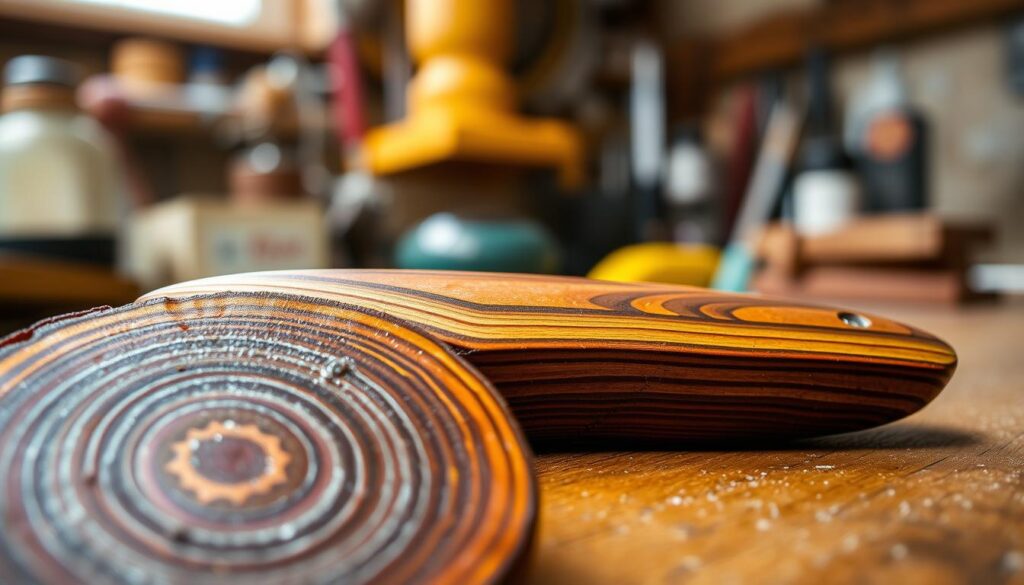
Why micarta (canvas, linen, paper) darkens yet stays durable
Micarta is a composite material made by compressing layers like canvas, linen, or paper with resin. That layered build leaves texture at the surface even after refinishing.
Darkening happens over time because oils and dirt work into the tiny valleys of the surface. The change is cosmetic; the knife still performs. Quality inlays remain nearly indestructible despite a shifted look.
How G10 differs in feel, finish, and heat tolerance
G10 tends to feel crisper and remains visually stable with routine washing. It tolerates aggressive polishing better than some layered materials, so heat is less likely to cause streaks.
What bonded inlays mean for cleaning
Inlays are fitted into pockets and secured with strong 3M-style tape. That bond flexes with expansion and contraction, so clean the surface gently and avoid prolonged soaking or prying at the joint.
- Remember: appearance can shift over time; focus on traction, cleanliness, and a steady feel in your hand.
Caring for Micarta handles: the best everyday cleaning method
Regular quick washes stop grime from building into the tiny valleys of layered micarta. A short routine restores grip and the overall look without heavy work.
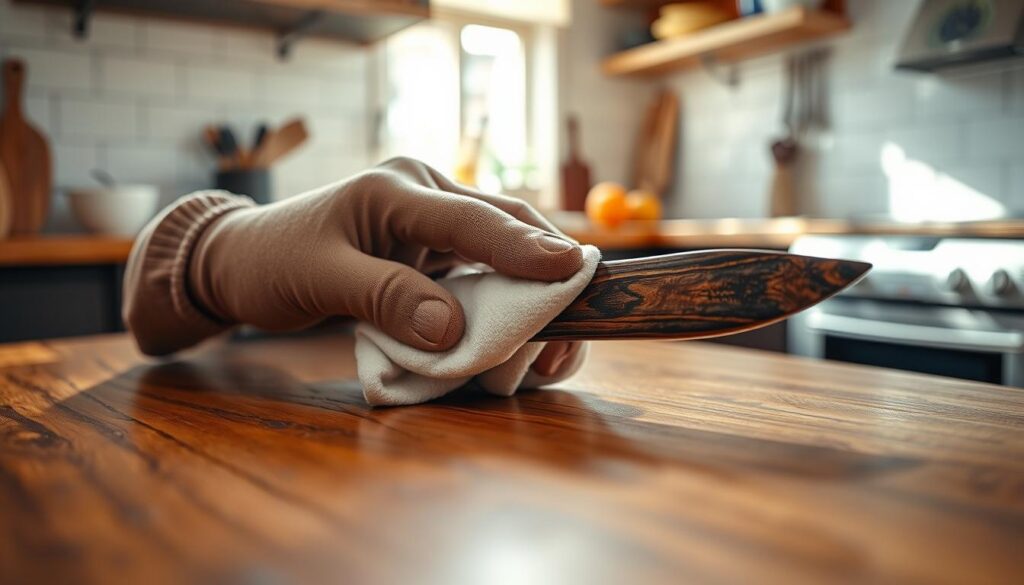
Quick wash routine with soap and water
Repeatable steps: rinse the knife, apply mild soap, scrub gently, rinse again, and dry. Use lukewarm water and avoid submerging the joint or any taped areas.
When a hand soap scrub helps
If daily carry or oils darken canvas or paper inlays, a hand soap scrub can lift embedded grime. Scrub a bit longer on high-contact zones to bring back a lighter look.
Using a soft brush on textured surfaces
Use a soft nylon brush to work dirt from the weave. Keep pressure light so you clean the texture without gouging the finish.
Drying and transition protection
Towel dry first, then air dry briefly. Pay attention to seams and hardware so moisture does not sit at the handle-to-knife transition.
- Scrub most: finger grooves, palm swells, and edges near pivots.
- Safety: avoid prolonged soaking and keep water away from bonded joints.
- Frequency: quick soap-and-water after heavy use; deeper scrubs when the look shifts noticeably darker.
How to clean G10 knife handles without dulling the finish
What to preserve: keep a consistent finish and reliable traction so your knife performs in pocket carry, food prep, or sweaty conditions.
Soap-and-water cleaning after regular carry and kitchen time
Use mild soap and lukewarm water with a soft cloth or non-abrasive sponge. Work the soap gently over the surface, rinse quickly, and dry thoroughly so residue doesn’t leave a dull film.
Spot-cleaning slick buildup and maintaining a secure hand feel
Target high-contact spots where your thumb rides, lock-side scale contact points, and under the clip. A focused rinse and light scrub there resets traction faster than a full strip.
- Avoid: abrasive pads, aggressive compounds, or hard scrubbing that flattens texture or changes sheen.
- Feel test: once dry, your hand should encounter consistent traction; if it still feels slick, repeat the quick wash rather than escalating methods.
- Material note: unlike Micarta’s darkening, G10 usually dulls because of residue—routine washing preserves the original look and grip.
Removing stains, blood, and “film” buildup on synthetic handles
Stains, blood, and surface film need quick action to keep grip and hygiene steady. Start with the simplest cleaning and only escalate if the surface still feels slick or stained.
Step 1 — soap and water: rinse the knife, use mild soap and a soft brush, rinse again, and dry. This restores canvas and linen scales quickly after blood contact or greasy film.
Step 2 — repeat scrub if needed: do a more deliberate scrub on high-contact areas before considering polish or refinishing. Persistence often lifts embedded grime without altering the look.
- Avoid oiling the scale: adding oil, including mineral oil, usually attracts dirt and can make the surface slippery.
- Reserve oil for blades: use oil on steel where makers recommend it, not on the grip unless the manufacturer tells you to.
- Professional spa treatment: if home methods fail, a re-sandblast can reset the original matte texture—ask the maker about returns and shop modifications.
Want to change sheen? Hand polishing with MicroMesh pads gives control. A buffing wheel and compound work if you can control pressure and heat.
Heat warning: keep passes short. Overheating can burn paper or linen scales and leave light streaks. The goal is a secure, clean surface feel, not erasing every bit of patina.
Conclusion
Simple maintenance keeps your knife reliable: routine cleaning with mild soap and a quick rinse, then thorough drying, preserves traction and function over time.
Layered material may darken yet remain strong, while resin-based scales usually keep their look but can collect slick residue. Address each issue with a targeted scrub rather than heavy alteration.
Do less, but do it well: clean when the grip feels dirty, scrub more if you want to restore appearance, and avoid adding oil that attracts grime.
Start gentle and only escalate to polishing when you intend to change sheen. Control heat and pressure to prevent damage.
Keep a practical mindset: your handle should feel secure, look acceptably clean, and stay dependable with minimal, regular attention.