
Pakkawood Handle Maintenance: Tips for Durability and Shine
Your kitchen knife feels better with a cared-for handle. Pakkawood is a hybrid material: wood layers stabilized with resin. It resists water more than raw wood, but it still benefits from simple habits.
Follow quick care routines: hand wash with mild soap, avoid soaking, skip the dishwasher, and dry immediately. These small acts protect the finish and the blade junction. Simple maintenance keeps the surface smooth and safe to grip.
This guide is for home cooks and serious enthusiasts who want longer durability and lasting shine. You’ll get practical tips on wiping, occasional conditioning with food-safe oil or beeswax, light scratch restoration, and when to seek professional help for looseness or cracks.
Why Pakkawood Handles Need Specific Care
Small habits protect the look and function of engineered wood knife grips. The next few steps explain why targeted attention matters for safety, comfort, and long-term use.
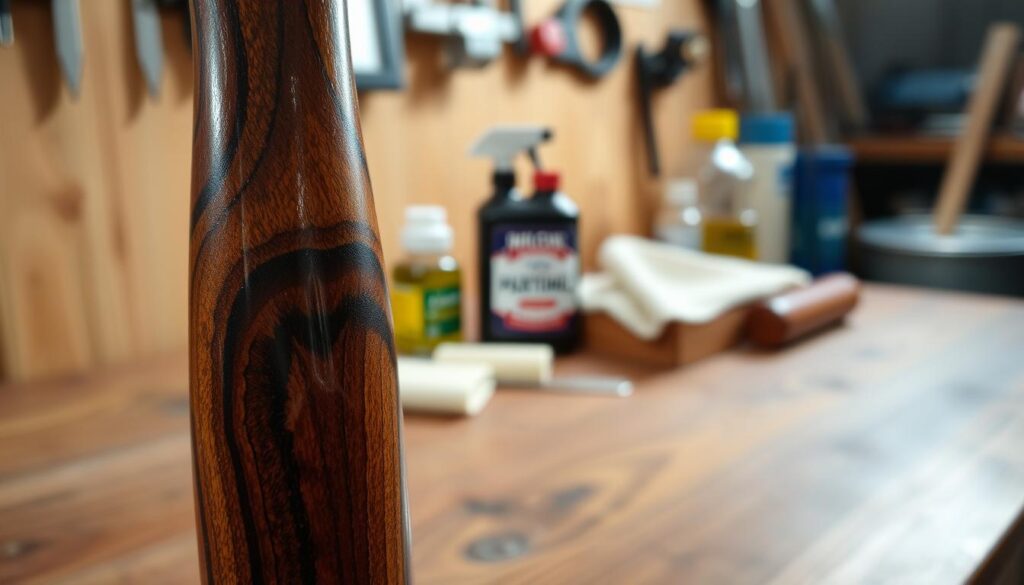
What makes this a hybrid material?
This product is a stabilized laminate: thin layers of wood fused and impregnated with resin. That combo gives the warm feel of wood while adding water resistance.
How care links to safety and performance
Keep a secure grip to avoid slips when you apply force; a loose or slick surface raises the chance of a cut. Proper care also preserves balance and texture, which reduces hand fatigue and helps precision over the years.
Common damage you’re preventing
- Cracking or swelling: repeated exposure and heat can open gaps at joints.
- Dull or hazy finish: surface wear makes the handle look aged.
- Odor buildup: trapped moisture at the ferrule invites smells and hygiene issues.
Follow the simple, repeatable steps ahead to protect aesthetics and longevity without complex work.
Cleaning Pakkawood handles the Right Way
A minute of mindful care after prep preserves grip feel and avoids odors. Treat the surface gently and focus on the seam where water hides. These quick steps keep your wooden knife in top shape with minimal effort.
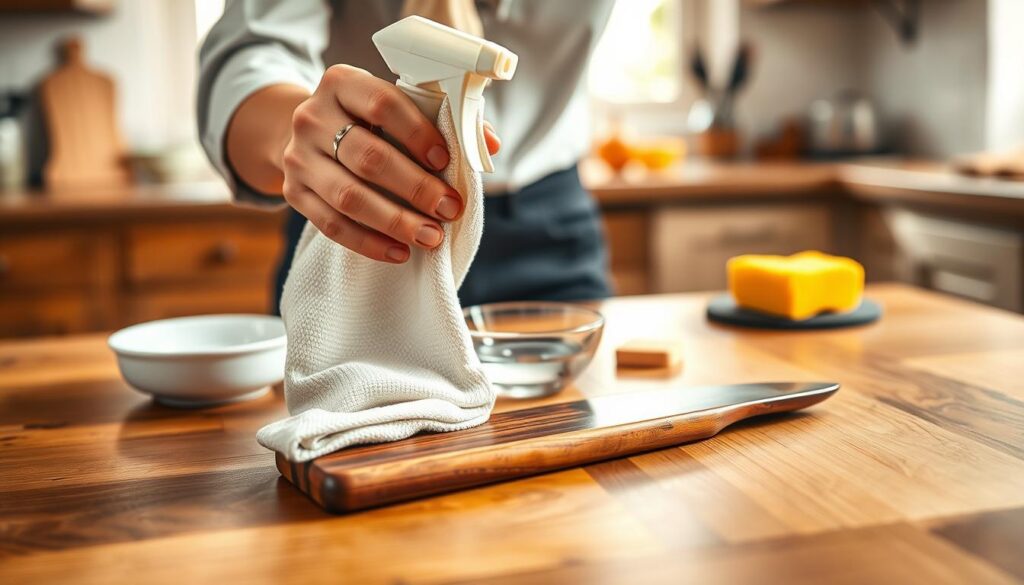
Quick daily cleaning with mild soap and a soft cloth
Wiping and a short rinse is usually enough. Use a damp soft cloth, a drop of mild soap, and warm water. Rub the handle and blade gently, then wipe with a dry cloth.
One-minute routine:
- Wipe surface to remove debris.
- Quick rinse the knife under warm water — enough to clean, not soak.
- Apply mild soap with a soft cloth; avoid abrasive pads.
- Dry immediately with a clean towel.
How to clean around the blade-handle junction
That seam is the highest-risk spot for trapped moisture. Keep the blade pointed away from you and use a slightly damp cloth or a cotton swab. Do not flood the seam or let water pool at the ferrule.
What to do after messy prep
For raw protein, onions, or acidic foods, rinse promptly. The longer residue sits, the more likely it is to stain, smell, or dull the finish. A fast rinse and dry after messy work saves you time and prevents long-term problems.
Keep Water Exposure Low to Protect the Handle Finish
Water is the quiet enemy of laminated grips — treat contact like an exception, not the rule. Even stabilized materials can let moisture creep into seams and stress layered parts over time.
Why you should never soak your knife
Prolonged water contact migrates into tiny gaps at the tang, pins, or ferrule. That moisture softens the finish and weakens the bond between layers.
How repeated moisture causes real damage
Small, repeated wetting cycles can cause swelling that opens gaps and creates a hazy, worn surface. Over months or years, the grip’s feel and fit will change.
- Mechanics: water seeps into seams, softens resin, and stresses layered wood.
- Even stabilized grips: micro-gaps let moisture reach joints and cause long-term issues.
- Outcomes to prevent: swelling, separation, surface haze, and a rough or loose grip.
Avoid leaving a knife soaking in the sink, submerged in a dish tub, or wrapped in a wet towel. If you can’t wash immediately, wipe the handle dry and store it where air can reach it until you can wash properly.
Hand Washing vs Dishwasher Heat and Pressure
The dishwasher may seem convenient, but it exposes your knife to conditions that speed wear. High temperatures, alkaline detergents, and powerful spray arms can strip finishes and loosen joints on wooden and hybrid knife handles.
Why dishwashers are risky
Heat cycles warp adhesives and soften resins. Harsh detergent chemistry dulls surfaces and can etch metal. Spray pressure throws the blade against racks, risking nicks and corrosion.
Your best hand-washing routine
Rinse promptly after use. Use a soft cloth, a drop of mild soap, and warm water for gentle washing. Clean the grip area carefully, then rinse quickly without soaking.
- Hold the knife by the spine with fingers clear of the edge for control and safety.
- Avoid long hot-water exposure, scouring pads, and bleach-based cleaners.
- Dry immediately to keep water from creeping into seams.
Hand washing is the single highest-impact habit you can adopt to extend the life of your knife and preserve both blade and finish. These simple tips protect appearance and performance with minimal effort.
Dry Immediately for Long-Lasting Shine and Durability
A quick dry after washing keeps your knife looking new and prevents slow damage. Make “dry immediately” a non-negotiable habit so water has no time to work into seams or weaken the finish.
The habit that prevents moisture damage
After rinsing, wipe the blade and handle with a clean towel. Use a soft cloth to follow up and get into the junction where the blade meets the grip.
Best drying technique: towel first, air for a short time
Towel dry both sides of the blade and the entire handle. Then set the knife on a rack or propped edge where air can circulate for a few minutes. Don’t seal it in a block or drawer while it’s still damp.
What to watch for and quick fixes
- Check moisture traps: ferrule, pins, and any recessed contours where water beads.
- Visual cues: haze means finish stress; roughness signals raised grain.
- Tactile cues: slipperiness means residue—rewash with mild soap and dry again.
Consistent drying preserves shine and boosts long-term durability, cutting down on maintenance over time.
Conditioning and Shine: Oil and Wax That Won’t Go Rancid
A small ritual of oil and wax gives your knife a longer, brighter life. Regular conditioning keeps the surface even and improves water resistance at the top layer.
Choose stable, food-safe oils
Use food-safe mineral oil, camellia, or tung oil. These oils resist spoilage and keep the surface stable.
Avoid vegetable oils like olive or canola. Vegetable oils can go rancid, leaving a sticky residue that harms the feel and finish.
Beeswax for added protection
Beeswax adds a smooth feel and a modest moisture barrier. Apply a thin coat to boost grip comfort and reduce dryness.
When and how often
Oil or wax a few times per year. Increase frequency in dry climates or with heavy use when the surface looks dull or feels dry.
Simple application steps
- Clean and dry fully.
- Apply a thin coat of mineral oil or a beeswax blend.
- Let it absorb briefly, wipe away excess, then buff with a soft cloth.
Do not over-apply: excess product attracts grime and can make the grip slick. Keep a small kit—mineral oil, beeswax, and a soft cloth—for quick, effective maintenance at home.
Storage Habits That Prevent Handle Wear
Where you store your knives matters as much as how you care for them. Proper storage prevents impact damage that is far easier to avoid than to repair.
Knife block best practices
Use a quality block to keep each blade and handle separate. Insert and remove knives straight in and out to avoid scraping the finish or catching the edge on slot walls.
Magnetic strip technique
Mount the strip at a safe height and leave space between items. Place the spine on the magnet first, then roll the blade down so it seats gently. This reduces snapping that can nick the finish or chip the material.
What to avoid
- Avoid loose drawers: knives that knock together will chip the handle material and dull the blade.
- Don’t crowd a strip—keep knives from touching each other to prevent micro-scratches on handles.
- Quick check: always store knives fully dry, especially before sliding them into a block where moisture can trap and harm the finish.
Fixing Roughness and Light Scratches Without Ruining the Finish
A few careful passes with fine sandpaper will erase fuzz and minor scratches and leave the grip feeling renewed. Only sand when the handle is structurally solid — no looseness, deep cracks, or delamination.
Which grit to use and when
Start around 600-grit for fuzzy or worn spots. Use 400–800 grit for light surface wear and progress up to 1200 grit if you want a glossier finish.
Technique to protect the finish
- Sand lightly and with the grain where possible.
- Keep even pressure and move steadily to avoid flat or dull patches.
- Work gradually — test a small area before doing the whole handle.
Clean-up and re-finishing
After sanding, remove dust with a damp cloth and dry completely so no residue reaches food-contact areas. Then apply a thin coat of food-safe oil — mineral, camellia, or tung — and let it absorb.
- Wipe off excess oil.
- Optionally add a light coat of beeswax or wax blend for extra protection.
- Buff until the surface feels smooth and not slick.
Expectation: this process restores comfort and appearance for light wear. Deep chips or separation need professional repair or replacement rather than sanding.
Spotting Problems Early and Knowing When to Repair
A quick weekly check of your knife can stop a minor flaw from becoming a safety hazard. Look it over while you dry and store the tool so you make inspection a simple habit.
Inspection checklist
- Wobble/looseness: shake the butt and test for movement at the ferrule or pins.
- Visible cracks: hairline splits or delamination anywhere on the handle or near the tang.
- Stains or odors: spots that won’t wash out or persistent smells after drying.
- Grip security: slipperiness or a changed feel when you hold the knife for forceful cuts.
Minor fixes you can do at home
If issues are cosmetic, try a deep clean of the junction, dry thoroughly, sand lightly, then recondition with mineral oil or a thin beeswax coat. These steps often restore feel and water resistance.
When to stop DIY and get professional help
Stop and consult a pro if the handle is loose, cracked through, delaminating, or if pins and ferrule move. A compromised grip alters how the blade tracks and raises slip risk under force.
Practical note: when you search for repair guidance or a service page, and a product page won’t load, try another browser or device so you can confirm manufacturer guidance and next steps.
Conclusion
Simple habits deliver big returns for the life and safety of your kitchen knife. Hand wash with mild soap and warm water, avoid soaking, and dry right away. Keep water and moisture away from the blade junction to prevent fast wear.
Condition the wood a few times a year with a stable oil or a light beeswax coat to restore feel and resistance. Store knives dry in a block or on a magnetic strip to prevent knocks and trapped dampness.
Don’t run knives through a dishwasher, soak them, or leave moisture at the ferrule. Those are the fastest paths to loose fittings and finish problems.
If product pages show a “page blocked” or “blocked extension” message, try disabling extensions or try disabling extensions in your browser so you can read manufacturer care guidance.
Inspect your knives today, clean and dry them correctly, then set a simple recurring reminder to oil or wax when the surface looks dull or feels dry.