
The 3 Essential Knives Every Home Cook Needs (And What to Skip)
You don’t need a closet full of blades to cook well. A focused set of three tools covers most tasks and saves space, time, and money. This guide shows why a tight lineup often outperforms a large, random collection for real home use.
We’ll define what an essential kitchen knife kit looks like and explain which pieces you can skip without regret. Expect clear picks: a chef blade for most chopping, a paring for detail work, and a serrated option for breads and tomatoes.
This roundup helps you buy smarter by prioritizing performance, comfort, and maintenance over sheer piece count. You’ll see which three-knife trios and block sets match different cooks and budgets, plus storage and upkeep tips to protect your set long-term.
Brands like Wüsthof, Victorinox, and Shun show up when they fit the use case. Read on to find the best kitchen match for your weeknight prep and the occasional big meal.
Why a three-knife essential kitchen knife kit beats most knife sets
A small, focused set delivers more usable performance than a large, flashy collection. Spending on better steel, edge geometry, and ergonomics gives you real gains in daily prep.
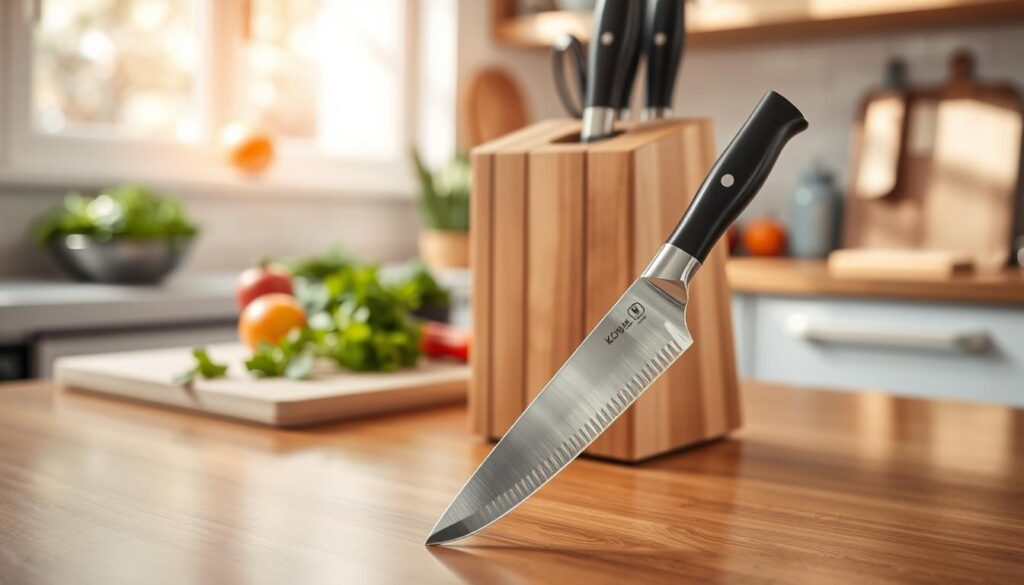
Commercial reality: you want better performance, not more pieces
Many large knife sets include duplicates and niche blades you rarely use. That means you often pay for a lot you won’t need instead of upgrading core tools.
How modern metallurgy improved value
Stainless production and heat treatments have raised the baseline of mass-market steel. Still, as price climbs you feel differences in edge retention, fit and finish, and comfort.
Where big block sets still make sense
A block or block set works when you want countertop storage, share a kitchen, or host often and need steak knives. Look for expandable knife block options so you can add pieces later.
- Buy fewer high-quality pieces over many cheap ones.
- Value looks like a smaller set that stays sharp and is easy to maintain.
- Choose a block set only if storage and multiple users matter.
Next, you’ll see the three core blades that cover most tasks and which product picks match different budgets and maintenance styles.
The chef knife you’ll use for most food prep
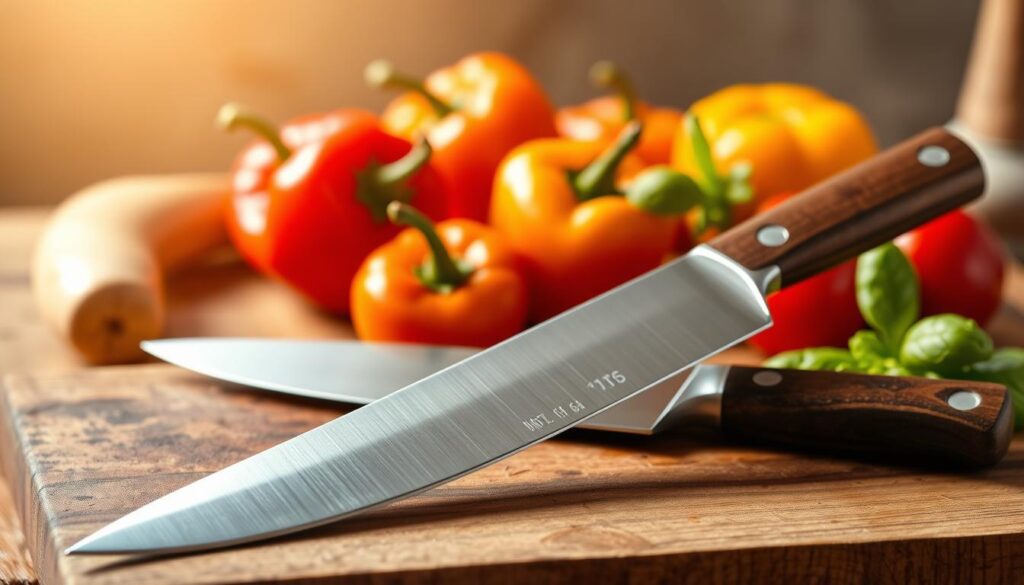
Your chef tool will do 70–80% of your chopping, slicing, and dicing. Pick a blade that fits your hands and your most common meals, and prep becomes faster and safer. An everyday chef should feel steady in a pinch grip and let you work without wrist strain.
Why an 8-inch model is the Goldilocks zone
An 8-inch chef balances reach and control. It gives enough cutting length for efficient chops without feeling clumsy on smaller cutting boards.
Most home cooks find it fits most hands and most tasks, from herbs to roast veg.
When a 10-inch makes sense
Choose a 10-inch chef if you have larger hands, roomy boards, or often prep big batches. The extra length smooths long draw cuts and can speed up heavy-duty work.
Where a santoku belongs
Prefer push cuts and lots of vegetables? A santoku’s flatter profile and shorter belly suit that style. It’s a fine alternative to a Western chef for steady, precise slicing.
Balance, handles, and safety
Good balance means the tool rests naturally at your pinch point. That reduces fatigue during long prep and gives better control.
Look for handles with secure traction when wet and a bolster that doesn’t force an awkward grip. A sharp edge and confident balance cut slipping risk with tough food like sweet potato.
- Main tool: expect daily use for most meals.
- Size choice: 8″ for general use, 10″ for heavy prep.
- Fit and feel: handle shape governs comfort and safety.
Your paring knife for detail work, peeling, and quick prep
For many tasks, a tiny blade outperforms a larger one in control and speed. A paring knife is the in-hand tool for peeling, trimming, hulling strawberries, and quick slices when a chef blade feels like overkill.
What makes it safe and predictable? You want a tool that locks into your grip so you can steer the tip without white-knuckling. Check where the handle contacts your fingers and whether the spine and choil are nicely finished.
Small geometry details matter. Look for a thin tip for precision, a modest belly for short cuts, and a grind that won’t wedge into firmer produce. The Wüsthof Classic Ikon 3.5″ paring knife is often praised for comfortable handle design and smart blade geometry that balance control and durability.
How to evaluate comfort quickly: test the handle when your hands are wet and note where it presses on your fingers. A paring that disappears into your hand becomes the one you grab for nearly every task.
- Best uses: peeling, trimming, hulling, quick slicing.
- Safety: predictable balance and finished spine reduce slips.
- Value: paring tools are inexpensive compared to a chef piece, but quality shows in fit, finish, and edge stability.
Your serrated utility knife or bread knife for crusts, tomatoes, and fragile foods
When you need grip instead of glide, reach for a serrated option. Serrations catch skins and crusts instead of letting a straight edge skate across them. That makes these blades ideal for tomatoes, citrus, and artisan bread.
Serrated utility knife vs bread knife: choose by what you cut most
Serrated utility knives are nimble for weekday prep. A short serrated utility is great for tomatoes, rolls, and citrus because it gives control on small, slippery items.
Bread knives shine when you slice large loaves. A longer blade keeps a straighter line through crusty sourdough and sandwich bread with fewer sawing strokes.
Why an off-set handle can make long slicing easier
An off-set bread knife lifts your hand above the board. That keeps knuckles clear and makes long slices feel smoother. Bavarian Knife Works highlights a 9″ off-set model for this exact comfort boost.
What to watch for with shorter serrated blades
Taste of Home notes a 5″ serrated can feel too short on big loaves. Short blades force more sawing and can crush soft interiors. If you bake or slice large loaves often, favor a longer bread knife.
- Why serrations matter: they bite into skins and crusts instead of slipping.
- Pick by use: short serrated tools for small produce; long bread knives for loaves.
- Maintenance: serrated edges are harder to sharpen at home, so buy a good one up front.
What to skip when you’re building a starter knife set
Hold off on extras that raise cost and clutter your drawers. Focus your budget on three well-made tools you’ll use every day. Extras often sit unused and demand maintenance you don’t need.
Steak knives: buy later unless you entertain a lot
If you rarely host, skip matching steak knives in a new set. You can buy table-ready steak knives later, or pick different styles that work better for guests.
Extra gyutos, slicers, and niche blades
Big sets tempt you with specialty blades. In practice, extra gyutos or slicers add complexity, not performance. Upgrade your main chef and paring pieces first.
Full bolsters and features that complicate maintenance
Full bolsters can block access to the heel when you sharpen. Many reviewers prefer partial bolsters for easier maintenance. Zwilling’s Pro vs Pro S comparisons note this tradeoff.
- Prioritize: geometry and ergonomics over gimmicks.
- Maintenance: more knives mean more edges to hone and sharpen.
- Budget tip: skip table steak knives until you know you need them.
Best overall three-knife pick: Zwilling J.A. Henckels Four Star Knife Set
For cooks who value daily reliability, the Zwilling Four Star trio simplifies choices without cutting corners. This pick focuses on performance over added pieces, giving you a true working set that fits most prep routines.
What the included set gives you
The set includes an 8″ chef knife for most chopping and slicing, a 3″ paring knife for detail work, and a 5″ serrated utility knife for tomatoes, rolls, and fragile skins. Testers praise the FRIODUR high-carbon stainless steel for lasting sharpness.
Why lightweight but well-balanced matters
A lightweight feel with solid balance means less fatigue during long prep and faster handling on weeknights. The set knives feel stable in your grip, so you move quicker without sacrificing control.
Durability, edge behavior, and a practical storage note
These knives keep a keen edge through regular use and are easy to maintain. The main downside: this included set has no knife block or sheaths.
- Position: best overall if you want core tools with no filler pieces.
- Sizes: 8″ chef knife, 3″ paring knife, 5″ serrated utility knife — built for daily tasks.
- Quick storage fixes: magnetic strip, in-drawer tray, edge guards, or a countertop stand.
Best knife block starter set that still focuses on essentials: Zwilling Professional S 7-Piece Block Set
A compact block can give you countertop order and the right tools without extra clutter. The Zwilling Professional S 7-piece block set is forged in Germany and reports an HRC around 57, which balances edge retention with ease of maintenance.
Why the selection works for new cooks
The included chef knife, paring knife, utility knife, and bread knife cover most daily tasks. That mix gives you real-world performance without extra, unused pieces.
Room to expand
Empty slots in the block are a practical feature. You can add steak knives or a specialty blade later instead of paying up front for a full lineup.
Chef profile and comfort notes
Testers flagged the chef knife’s unusually rounded curve. If you favor push cutting, that profile may feel different from a flatter blade. Try the motion in store if you can.
What’s included and maintenance value
The set ships with a hone and kitchen shears. Regular honing keeps edges aligned between sharpenings, and the shears handle herbs, packaging, and small prep tasks.
- Build quality: forged German construction for durability.
- Practicality: block storage + hone makes upkeep easier.
- Expandability: empty slots let you customize over time.
Best German-made upgrade option: Wusthof Classic Ikon 7-piece knife set
When you want a last set you buy, look to a German-made lineup that blends durability with everyday comfort. The Wüsthof Classic Ikon is built to perform and feel reliable for years of home use.
Steel, build, and what full tang means for you
The blades use X50CrMoV15 German steel and are forged with a full tang. That construction gives more stability at the handle and a solid, balanced feel on the board.
Forged + full tang means better toughness and long-term resilience during heavy daily prep.
Handle-weighted balance and cutting style
The handle-weighted balance encourages a classic rocking motion. If you prefer a Western rhythm for chopping, the weight distribution makes rock chopping feel natural and controlled.
What the set includes and practical perks
- Set includes: 5″ serrated utility/tomato, 3.5″ paring, 8″ bread, 5″ santoku, 8″ chef, come-apart kitchen shears, and a storage block.
- Half bolster: lets you sharpen the full edge length easily.
- Utility wins: true bread knife and serrated utility cover crusts and soft produce; shears and block handle storage and small tasks.
This set fits you if you cook often, prefer durable steel over ultra-thin slicing, and value comfort and long-term quality in your knives.
Best value knife set under $100 when you don’t need serrations: Cutluxe Kitchen Knife Set
If you want a big jump from discount blades without spending much, this Cutluxe set is hard to beat. Priced around $79.99 in testing writeups, it pairs high-carbon German steel with a lifetime warranty. That makes this the clear value pick when price matters most.
What you get for the price
The set includes an 8″ chef knife, a santoku, a utility knife, a carving knife, and a paring knife. Each blade maps to a daily task: the chef covers most chopping, santoku excels with vegetables, the utility handles mid-size cuts, the carving knife works roasts, and the paring handles detail work.
Tradeoff to know
There are no serrations in this set. That means crusty bread and very delicate skins may not slice as cleanly. You can add a separate serrated tool if you bake often or use a long bread knife you already own.
Who this set fits best
- You prioritize performance per dollar and want solid steel without a high price.
- You don’t bake often or you already own a reliable bread knife.
- Note: some users find the handle large; test fit if you have small hands.
Maintenance: hand wash and hone regularly to keep edge life high for the price point.
Best budget knife block set for apartments and first kitchens: Beautiful Knife Block Set
If you rent or live small, look for a set that gives storage and core coverage without a big price tag. The Beautiful Knife Block Set from Walmart pairs a compact block with the basic blades you’ll reach for most days.
What’s included and why it fits small spaces
The set ships with an 8″ chef knife, a 5.5″ serrated utility knife, a 3.5″ paring knife, six steak knives, and kitchen shears, all stored in a countertop block. Built-in storage keeps your counter tidy and gives easy access when you’re short on space.
What to expect from the materials and fit
Blades use basic stainless steel with a resin coating. Expect faster dulling than premium steel and some finish quirks over time. Testers also note knives can sit loosely in the block; that doesn’t ruin cutting performance but it affects the daily feel of grabbing and returning tools.
- Practical pick: low upfront cost and full coverage for a starter set.
- Who it fits: new cooks, renters, students, or anyone wanting a backup set that looks good on the counter.
- Care tips: hand wash and dry immediately, hone often, avoid scraping edges on plates, and use a gentle cutting board to stretch life and quality.
Best set if you want a built-in sharpener: Ninja Foodi NeverDull Knife Set
A block with a built-in sharpener turns routine upkeep into a one-step motion. The Ninja Foodi NeverDull combines a straightforward sharpening system inside the block with a broad lineup so you don’t wrestle with stones or guided sharpeners.
The concept is low-effort maintenance: return a blade to its slot and the block refreshes the edge. That makes this knife block one of the easiest ways to keep tools ready if you cook a lot but don’t want sharpening to become a hobby.
- What’s included: 8″ chef knife, 8″ bread knife, 5″ santoku, 5″ boning, 5″ utility knife, 3.5″ paring knife, six steak knives, and kitchen shears.
- Why it helps: bread and santoku cover loaves and veg; boning trims meat; steak knives handle guests without extra purchases.
- Key limitation: the built-in sharpener is designed for Ninja blades only, so it won’t reliably sharpen other brands.
This set is best for busy households, gift buyers, or newer cooks looking for a near-zero-maintenance solution. If you want to mix high-end brands over time, consider a separate sharpening system instead of a proprietary block for long-term flexibility.
Best premium splurge with layered steel: HexClad Damascus Steel Knife Set
If you want a showpiece set that also performs, the HexClad Damascus range deserves a close look.
What the specs mean for you
67-layer Damascus wrapped around an AUS-10 core gives a fine balance of look and substance. At about 60 HRC and a 12° edge, these blades deliver crisp slicing and strong edge retention potential.
Hybrid feel and handling
The geometry blends a Japanese-style thin edge with a Western-friendly belly. That means you get precision on produce and enough curve to rock-chop comfortably. The full tang with a partial bolster supports a familiar handle feel.
Storage and practical trade-offs
A compact magnetic block saves counter space and keeps blades from banging into slots. Harder, thinner edges slice cleanly but are less forgiving around bones or twisting cuts. Adjust technique and expect careful use.
- Position: a true splurge for cooks who value precision and style.
- Durability: higher hardness boosts performance but needs gentler handling.
- Price vs lifestyle: worth it if knives are daily tools you care for; skip it if price is your main constraint.
Best Japanese upgrade path if you want fewer pieces: Shun Classic knife block starter set
If you want fewer, sharper tools that feel precise under your hand, the Shun Classic block is a logical upgrade. This set leans into refined edges and a pared-down selection so you buy quality, not quantity.
Steel and edge behavior
VG-MAX core with Damascus cladding gives you a reported HRC around 60.5. That translates to very fine sharpness and strong edge holding compared with softer steels.
You’re paying for a blade that stays “laser-like” longer, but it asks for careful cutting and regular honing to avoid chips.
Handle fit and feel
Shun’s ergonomic pakkawood handles use a traditional D-shape. Some users find D-handles hug the palm perfectly; others prefer rounder or Western grips.
Try one in hand or buy from a retailer with a good return policy so you can confirm the fit matches your pinch and full-hand grips.
Build your set over time
The block often includes an empty slot or two. That lets you add a bread blade, a dedicated slicing piece, or a specialty tool later without buying a larger set up front.
- Who this fits: cooks who prize sharpness and precision over many pieces.
- Maintenance: frequent honing and careful cutting technique protect the harder steel.
- Practical tip: start with chef, utility, and paring blades; expand into the block when you identify a true need.
Budget workhorse block set alternative: Victorinox Classic Cutlery Block
If you want dependable performance at a friendly price, the Victorinox Classic Cutlery Block is a top pick. It pairs high-carbon stainless steel blades with nylon handles and a practical block for everyday use.
What you get
The set includes a usable lineup of knives, a hone, and kitchen shears so you can maintain edges and tackle non-cutting tasks. Reported HRC sits near 56, which gives solid everyday sharpness.
Tradeoffs to expect
Materials favor function over finish. Handles can feel utilitarian, and some blades may sit slightly lopsided in the knife block. That look doesn’t harm cutting performance but affects feel and counter aesthetics.
- Why buy: strong value if you want a workhorse block at a lower price point.
- Practical inclusions: blades, hone for honing, and shears in one compact set.
- Who it fits: you cook often, care more about performance than polish, and prefer spending on ingredients over luxury finishes.
If counter appearance matters more than function, choose a different block. If performance per dollar is your priority, this is a compelling, affordable option.
How to choose steel, edge retention, and hardness for your kitchen knives
The steel and edge profile determine how a blade behaves more than branding or finish. When you shop, think about toughness versus slicing sharpness. That tradeoff shapes daily performance and maintenance.
German stainless vs Japanese stainless
German stainless steel like X50CrMoV15 (used by Wüsthof) is tougher and more forgiving. It chips less and suits heavier work with less fuss.
Japanese stainless (Shun, VG-MAX) runs harder and slices finer. You get sharper edges but you must be gentler and hone more often.
What HRC ranges mean in practice
HRC measures hardness. Around 55–58 HRC (many German blades) means easier sharpening and fewer chips.
At ~60+ HRC (some Japanese blades) the edge holds longer but can chip if misused. That affects how often you need sharpening versus quick honing.
Why geometry beats treatments for most home cooks
Cryo treatments and forging add value, but grind, bevel angle, and handle fit usually change how a blade cuts food more than those processes.
Good rule: pick a reputable brand, prioritize comfortable handling, and plan simple maintenance: hone regularly and sharpen as needed.
- Quick buy tip: if you want low upkeep, favor tougher stainless steel and a forgiving edge.
- If you prize slicing: opt for harder steel and a finer grind, but expect gentler care.
- Maintenance: hone weekly and sharpen based on use, not calendar.
Storage and maintenance that protect your investment
Smart storage choices reduce accidents and protect the cutting edge. How you store and care for your set affects sharpness, safety, and long-term performance.
Knife block vs magnetic stand vs sheaths
A countertop knife block gives tidy storage and easy access. It protects edges from banging and is simple for daily use.
A magnetic strip saves counter space and shows blades so they dry fast. Use magnets rated for heavy knives and position the strip out of reach of kids.
Sheaths or edge guards let you keep blades in a drawer safely. Loose drawer storage chips the edge and raises cut risk when you reach in.
Honing vs sharpening
Honing realigns the edge for daily performance. Do it often. Sharpening removes metal to rebuild a dull blade; expect this a few times a year depending on use.
Shears, cleaning, and simple upkeep
Keep your kitchen shears clean and tightened. Use shears for trimming so you don’t dull a main blade.
- Hand wash and dry immediately to avoid spots and corrosion.
- Hone regularly; sharpen with a stone or the built-in Ninja block when needed.
- Store safely to preserve fit, finish, and long-term value.
Conclusion
, Most cooks get the biggest return by buying three reliable tools and learning to care for them. Pick a comfortable chef knife, a steady paring knife, and a serrated option (utility or bread knife) that matches what you slice most.
Choose a three-piece lineup if you want top performance per dollar and flexibility. Opt for a knife block if storage, counter order, and simple expansion matter. Skip matching steak sets and niche blades until your everyday prep is covered.
Quick decision shortcut: set your budget, test fit for comfort, confirm safe storage, and plan a simple honing and sharpening routine. Match your final buy to your boards, counter space, and the foods you cook most often.