Japanese vs. German Kitchen Knives: Which One Should You Buy?
You face a practical decision: pick the tool that makes meal prep faster, safer, and more enjoyable in your American kitchen. This guide compares how each style changes the way you slice, dice, and trim ingredients at home.
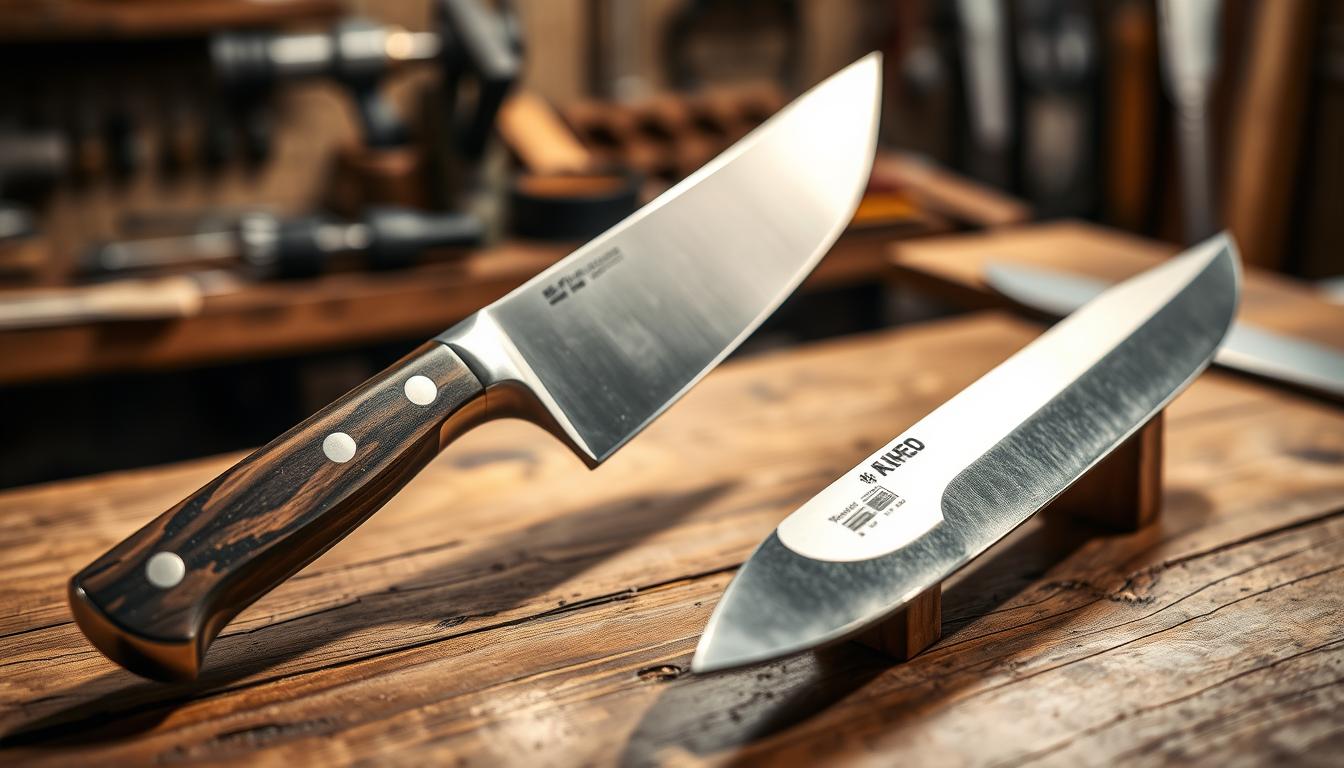
By “Japanese knives” and “German knives” we mean the modern gyuto and the classic chef knife, plus common companion shapes you’ll use every day. Think of blade geometry, steel hardness, edge angle, weight, and handle feel when you shop.
Both categories can be excellent. German models tend to be heavier, tougher, and more forgiving. Japanese models are usually thinner, harder, and more precise but need careful handling and sharpening.
We’ll walk you through history, blade geometry, steel, construction, task performance, types, care, and a final recommendation so you can jump to the section that answers your buying question.
How Japanese Knives and German Knives Became Kitchen Standards
Centuries of craft and commerce shaped the knives you use every day.
Solingen and the rise of the Western chef tool
Solingen earned the nickname “City of Blades” as medieval smiths refined steel for war and work. Over time, consistent quality and early factories turned those skills into mass production for home use.
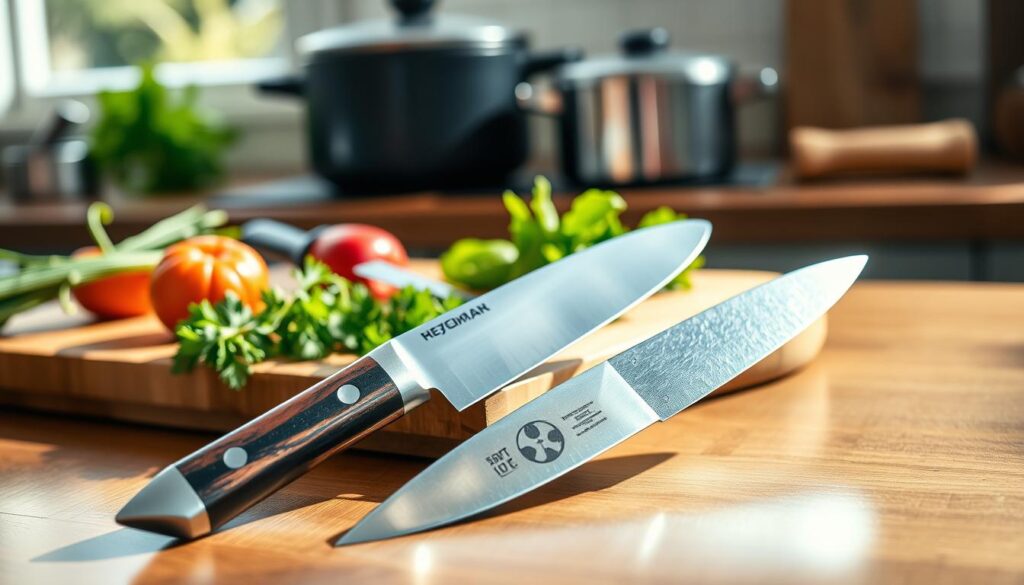
Zwilling registered a trademark in 1731 and Wüsthof began in 1814, helping the German knives standardize shape, balance, and durability for the Western kitchen.
From swords to specialized kitchen craft
In Japan, swordsmith techniques moved into toolmaking when demand for swords fell. The Edo period encouraged many specialized blades for fish, vegetables, and precise cuts.
Those traditions mean japanese knives made by artisans often focus on task-specific edges and fine geometry.
Modern change and the multipurpose chef
Meiji-era Western influence shifted diets and brought beef to the table. That change inspired the gyuto, a japanese german hybrid style that acts as a multipurpose chef knife.
- Solingen: durability and rocking motion
- Edo craft: precision and edge specialization
- Meiji shift: multipurpose design
Japanese vs German knives: The Core Differences That Affect How You Cut
How a blade meets the board changes almost everything about your prep.
Blade shape and edge profile
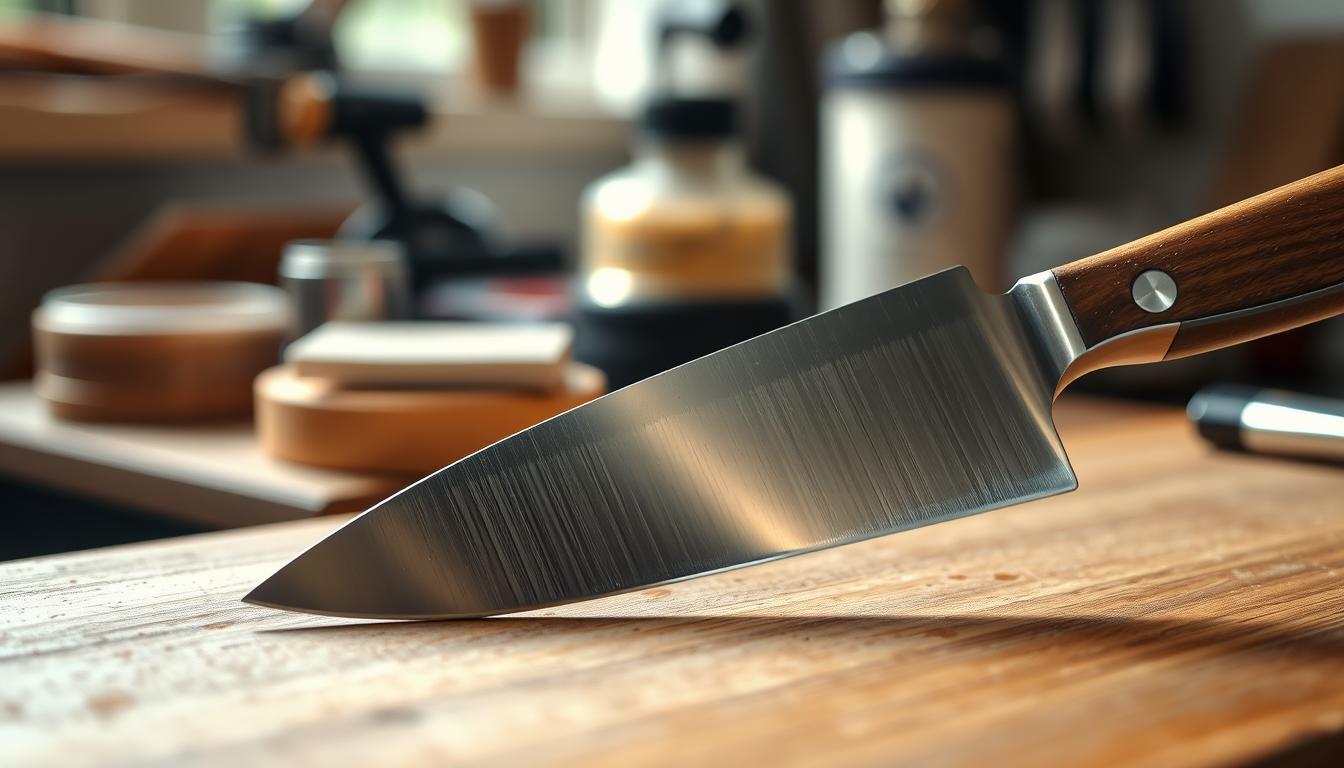
A flatter edge profile keeps more of the blade touching the board during a slice. That means cleaner, more consistent cuts for thin, even pieces.
A pronounced belly uses less edge contact at once, which helps you pivot through herbs and mince quickly.
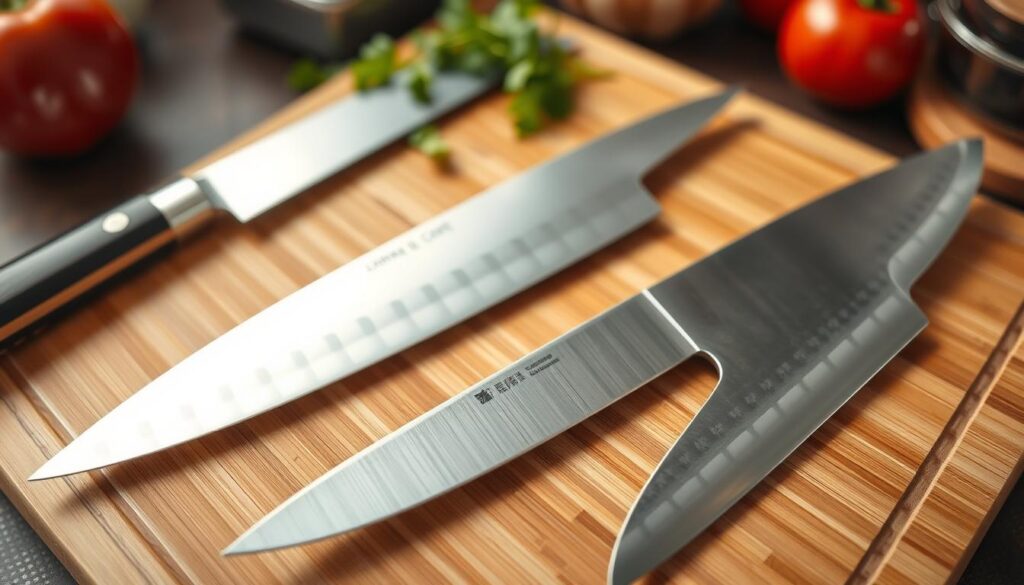
Cutting motion and technique
Flatter profiles favor push cutting—forward-and-down moves that give you precision on vegetables and sashimi-style slices.
Curved blades support rock chopping. The tip stays near the board while you pivot, making mincing faster and more natural.
Thickness, weight, and edge angle
Heavier models feel like workhorses for tough prep and leverage. Lighter blades give you nimble control for delicate tasks.
Narrower edge angles produce a razor-like feel and high precision. Wider angles trade some sharpness for durability and forgiveness.
- If you rock-chop most meals, favor a German chef option for comfort.
- If you value fine slicing and precision, a gyuto-style japanese knives choice will suit you better.
- Consider edge angle and weight together when you buy to match your cutting way.
Steel, Hardness, and Edge Retention in Modern Kitchen Knives
Steel choice and heat treatment shape how a blade behaves in real kitchen work.
Rockwell hardness ranges made simple
Rockwell hardness (HRC) is a number that tells you how hard the metal is. Higher HRC means the metal is harder and can hold a sharper edge longer. Lower HRC gives a tougher, more chip-resistant edge that is easier to sharpen.
What harder steel changes for you
Typical ranges: a german knife usually sits around 56–58 HRC, while many japanese knives fall near 60–66 HRC. That difference translates to longer edge retention for harder steel and more care to avoid chips.
Tradeoff: harder steel gives better sharpness and edge life, but it can fracture if misused on bones or hard boards.
Stainless steel, high-carbon, and Damascus explained
Stainless steel resists rust and is lower maintenance. High-carbon steel sharpens easily and can reach higher hardness, but it may develop a patina and needs more drying and storage care.
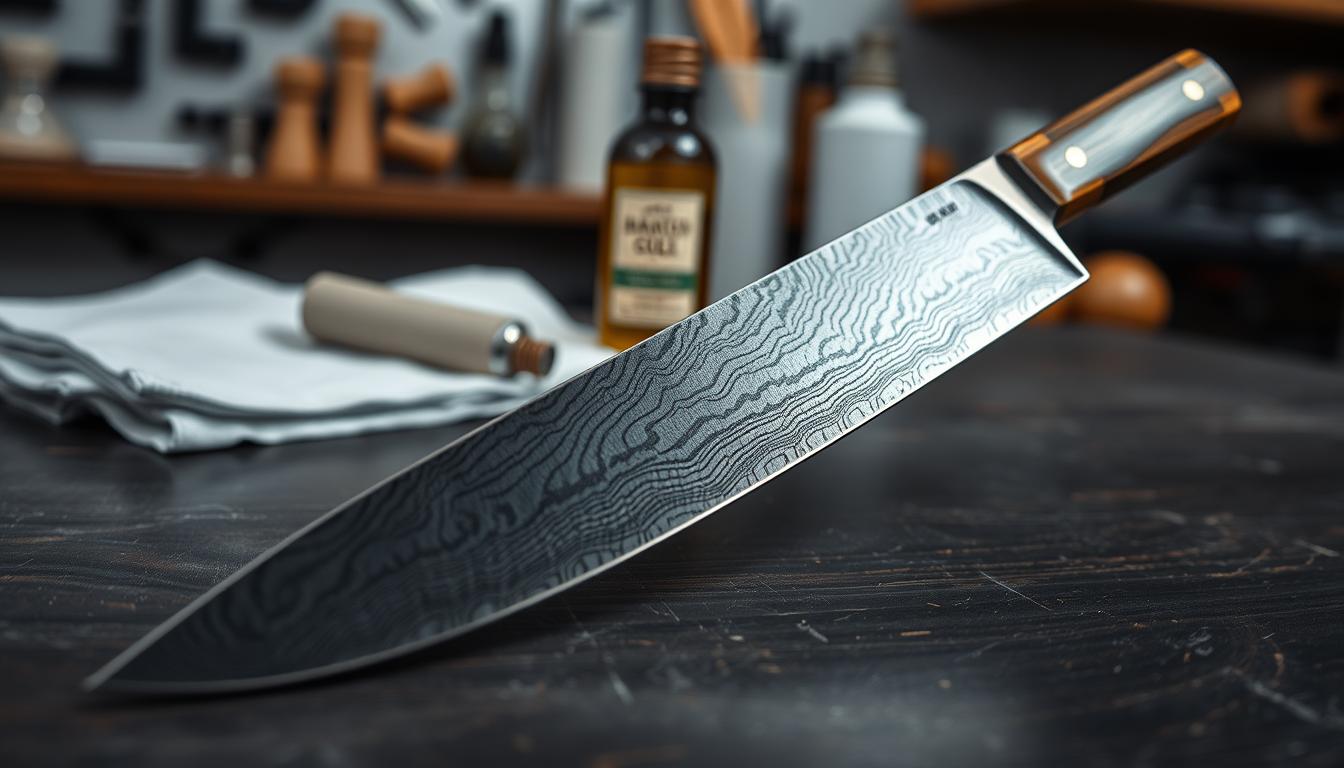
Damascus or layered steel blends aesthetics with performance—often combining a hard core for edge retention with tougher outer layers for durability.
Corrosion resistance and real-life care
In a US kitchen, stainless steel gives the most ease and lower stress for everyday use. If you choose high-carbon or harder steel, plan to dry blades, avoid acidic contact, and store them safely to prevent patina or rust.
- Grab-and-go ease: stainless german-style blades.
- Peak sharpness: harder japanese blade steels if you will maintain them.
- Balanced pick: laminated or Damascus for a mix of sharpness and toughness.
Construction and Ergonomics: Bolsters, Tang, and Handle Feel
How a knife is built changes the balance and feel the moment you pick it up. Small design choices alter how your hand meets the blade and how the tool performs during long prep sessions.
Bolster types and why they matter
A bolster is the thick junction between blade and handle. It adds balance and protects your fingers when you pinch the blade for control.
Full bolsters give a solid, safe feel and steady weight for heavier work. A demi-bolster keeps much of that balance while letting you sharpen right to the heel.
No bolster yields a lighter front end and easier heel sharpening—common in many modern Japanese-style models.
Tang construction: full tang vs partial
Full tang runs the metal through the handle and boosts durability and weight distribution. It helps when you need steady leverage for heavy chopping.
Partial or stick tangs reduce weight and can make precise slicing feel more agile. They often appear in lighter chef styles meant for finesse.
Handle shapes and long-session comfort
Western-style handles aim for palm support and a firm grip, which helps during repetitive work. Traditional Japanese handles feel slimmer and let your hand control delicate cuts better.
- Look for comfortable handle shape that suits your pinch grip.
- Check spine and choil finishing so your fingers don’t slip during wet prep.
- Match tang and bolster choices to the weight and work you plan to do.
Practical tip: If you want a substantial, steady feel for general kitchen work, many german knives deliver that. If you prefer light, agile control for precision, consider styles with less weight up front and slimmer handles.
Performance by Task: Which Knife Style Fits the Way You Cook?
Match the knife to the job and your prep becomes faster, cleaner, and less tiring. Below are common weeknight tasks and which blade qualities help you get the best results.
Vegetables and herbs: clean cuts, speed, and precision
If you prep lots of vegetables, a thinner, harder blade often wins. It gives cleaner cuts and limits crushing that speeds browning.
Flatter profiles favor push cutting on a stable board. That makes thin slices and fine precision work easier. For mincing herbs, a curved edge helps with a rocking motion and fast chopping.
Meat and tougher ingredients: durability, leverage, and thicker edges
When you break down chicken or trim fat, a heavier chef knife with thicker geometry is more forgiving. The extra weight supplies leverage and reduces the risk of chipping an ultra-thin edge.
For routine protein work, choose a sturdier blade you can use without constant babying. This keeps prep safer and faster.
Fish and delicate work: slicing finesse and control
For fillets and delicate slices, a very thin, sharp edge delivers smooth surfaces and minimal tearing. That edge rewards careful technique and steady hands.
To summarize: map your choice to the tasks you do most. Pick thin, precise blades for vegetables and fish; select thicker, heavier chef knife styles for meat and tough prep.
- Mostly vegetables/fish: favor thin, precise blades.
- Mostly meat/heavy prep: favor thicker, durable chef knife options.
- Mixed use: consider a balanced option or two knives to match each task.
Common Knife Types You’ll Actually Buy (and How They Compare)
Not every shape belongs in your drawer—choose the ones you’ll actually use. Below are the practical types and styles most home cooks buy so you can build a useful kit without clutter.
Core Japanese-style options for daily prep
The gyuto acts like a Western chef knife—all-purpose, balanced, and a great first purchase. It blends thinner geometry with familiar length and weight.
Santoku fits general prep if you prefer a flatter profile and easy slicing. Nakiri is the vegetable specialist; pick it if you cook mostly produce.
Sujihiki serves as a dedicated slicer for clean protein carving and presentation work.
Specialty blades you can skip or add later
Deba, yanagiba, usuba, and kiritsuke/bunka are purpose-built tools. They excel at fish, fine slices, or single tasks but are not required for most U.S. kitchens.
Western staples to round your kit
Keep a reliable German-style chef knife as your anchor. Add a bread knife and a paring knife to cover slicing and small tasks. This simple set handles almost every kitchen job.
- Buy one versatile chef knife first.
- Add a slicer and a vegetable blade if your cooking needs them.
- Save specialty tools for later—only if you use them often.
Sharpening, Honing, and Care: Keeping Your Blade Safe and Sharp
How often you’ll sharpen depends on steel hardness and how much you use the blade. Softer stainless steel usually needs sharpening more often. Harder steel keeps its edge longer but demands careful technique to avoid chips.
Whetstone sharpening for harder steel
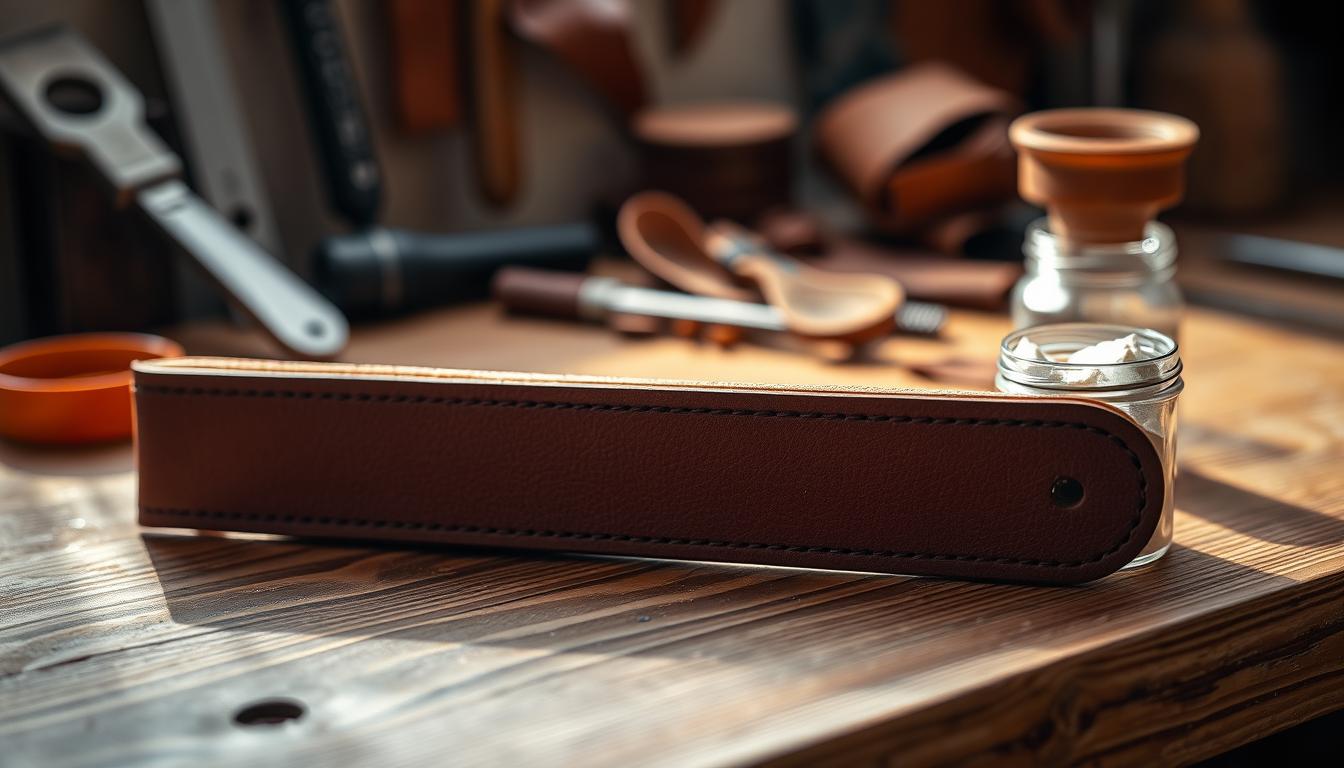
When a blade has harder steel, use a whetstone. Keep a consistent angle, apply gentle pressure, and move slowly. Small, even strokes remove metal uniformly and restore a true edge.
Practice on a lower grit first, then finish on a higher grit for a clean edge. Technique matters more with hard, thin edges; rush and you risk chips.
Honing rods for day-to-day maintenance
Honing realigns the edge—it’s not the same as sharpening. Use a honing rod daily or weekly for softer steels. This is especially useful for german-style blades because it keeps the edge working between sharpenings.
Storage and safe handling
Protect your edge by using the right board and storage. Avoid glass or stone boards. Never toss a knife in a drawer.
- Storage options: knife block, magnetic strip, or edge guards.
- Safe use: don’t twist thin blades through bone or hard materials.
- Dry and store: wipe dry after washing to prevent corrosion or patina.
Set realistic expectations for sharpening based on hardness and use, and fold simple care into your routine. Proper maintenance keeps cuts cleaner, reduces replacement costs, and improves safety.
Conclusion
Your everyday cooking style should guide the blade you bring into the kitchen.
Focus on five practical differences when you buy: blade profile, hardness, edge angle, weight, and the maintenance commitment each model asks of you. These factors matter more than labels and shape how a blade performs in real prep.
Advantages of a softer, robust option: durability, forgiving use, and straightforward upkeep with regular honing. That makes it a reliable all-rounder for rock-chopping and busy weeknight work.
Advantages of a harder, finer blade: superior sharpness, cleaner slices, and longer edge retention if you commit to careful care and correct tools. That style rewards push-cut precision and presentation work.
If you rock-chop and want a tough, low-fuss tool, pick the heavier, forgiving option. If you push-cut and value precision, choose the harder, sharper blade. Hybrid german japanese designs exist, so test feel and balance before you decide.
Your best choice is the one you use confidently and maintain consistently — that habit delivers the real gains in the kitchen.